Here is the thing about the electric two-wheeler market in India: it is a battlefield where the winners are not necessarily the ones with the flashiest tech, but the ones who can actually keep their promises. Ather Energy learned this the hard way, and the results are showing. The company has climbed to an 18% market share as of January 2026, putting it ahead of Ola Electric and right behind the giants TVS and Bajaj . But the real story is not just about sales numbers; it is about how Ather built a business that can survive without government handouts and thrive despite rising costs.
The Cost-Cutting Machine
Let's talk money. Making electric vehicles is expensive, and raw material prices have been going bonkers. Management has characterized the commodity environment as "crazy" and "bonkers," with significant pressure on aluminum, copper, and electronic components Transcripts +2. Ather's response? The EL platform. This is not just a new scooter; it is a complete redesign of how the company builds vehicles. They switched to a steel frame and an enclosed gearbox, which sounds technical but basically means they found smarter, cheaper ways to build the same quality product. Management believes this offers "enormous potential for easy and large cost reductions" over the next 4-6 quarters Transcripts.
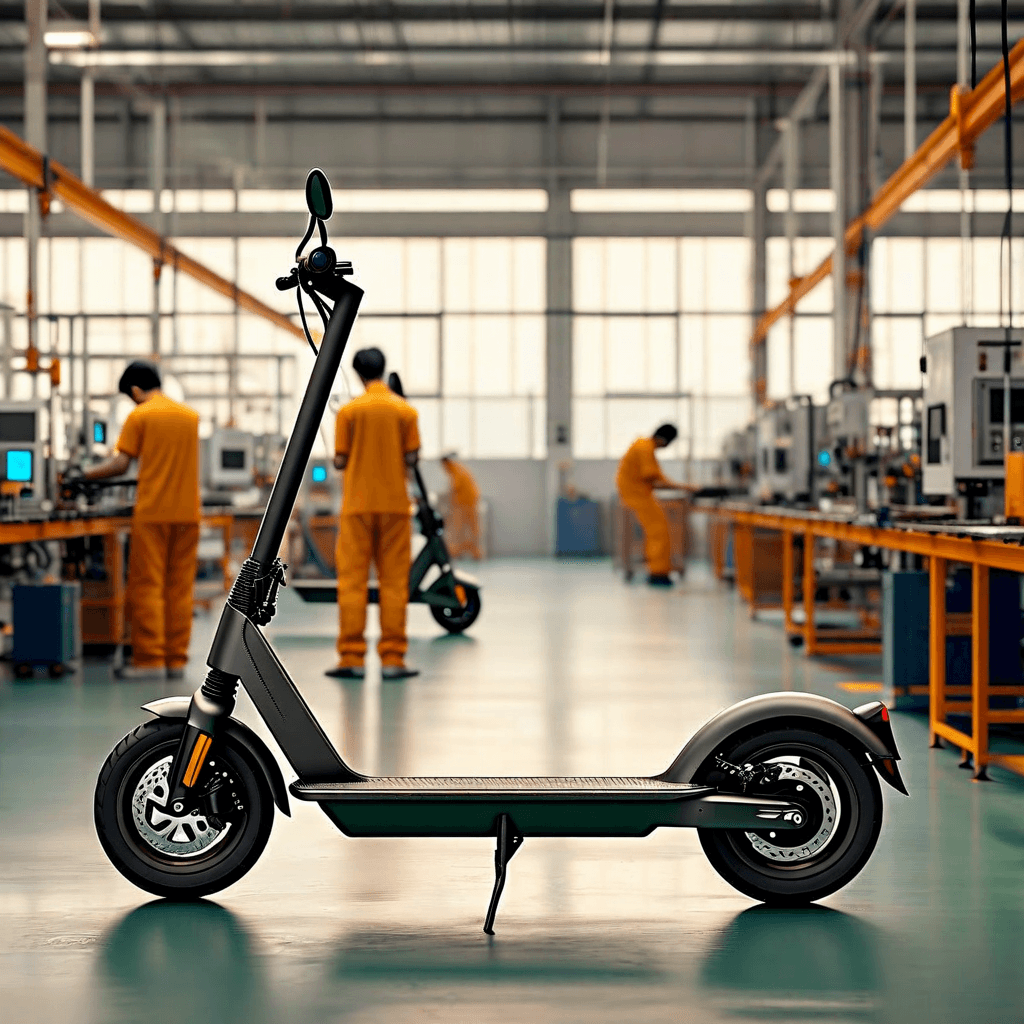
The strategy is working. Ather reduced its weighted average Bill of Materials (BOM) cost by 19% in FY25 and chopped off another 8% in the first nine months of FY26 Transcripts +1. Even better, they are not just squeezing vendors; they are optimizing their own factory processes. By bringing electronics assembly and painting in-house through "Factory 3.0," they are saving thousands of rupees per unit through manufacturing engineering optimizations AnnualReports +1. This efficiency allowed them to improve adjusted gross margins to 22% in Q2 FY26, even as they announced a modest price hike of ₹3,000 due to inflation .
Service: The Unfair Advantage
If you want to know why Ola Electric's market share collapsed from 24% to 6%, look at its service centers. Ola faced over 1 lakh consumer complaints, with vehicles sitting unrepaired for months . It was a disaster. Ather took a completely different path. They have a strict rule: you cannot open a sales dealership without a service center. This integrated model means every city where they sell scooters also has the infrastructure to fix them AnnualReports +1.
This policy creates trust. When you spend ₹1.5 lakh on a scooter, you want to know that if something breaks, someone nearby can fix it. Ather has expanded its service network to over 500 centers, covering every city where they have a presence . They even introduced "ExpressCare," promising 60-minute maintenance at 82 centers . This focus on after-sales support is not just nice to have; it is a competitive moat. While competitors fight on price, Ather is fighting on peace of mind.
The PLI Paradox
Here is the irony. The government's ₹25,938 crore Production Linked Incentive (PLI) scheme was designed to boost manufacturing, but it effectively excluded startups like Ather. To qualify, companies needed a global turnover of ₹10,000 crore or a net worth of ₹1,000 crore based on March 31, 2021 financials . Ather, despite being an innovation leader, did not meet these criteria when the application window closed in March 2021 . This means competitors like TVS, Bajaj, and Ola get a 13-16% subsidy on their sales, while Ather gets nothing.
CEO Tarun Mehta has called this out, arguing that a policy meant to encourage innovation ended up punishing the innovators . However, Ather turned this exclusion into a strategic advantage. By operating without PLI support, they are forced to maintain "cleanest pricing principles" Transcripts. They are not building a business model that relies on government subsidies that might disappear. As management put it, this forces them to build a "very resilient P&L" that can withstand policy changes Transcripts. They are advocating for a startup-specific PLI window through the Startup Policy Forum, but they are not waiting for it to succeed .
Riding the Geopolitical Wave
The timing could not be better for Ather's resilience. Geopolitical tensions in West Asia pushed crude oil prices to around $120 per barrel in early 2026 . Even though the Indian government shielded consumers with excise duty cuts, the psychological impact was real. Consumers started worrying about fuel availability and energy security. This anxiety accelerated EV adoption, with the industry's penetration rate jumping from 6.6% to nearly 9.7% in March 2026 .
Ather captured this wave perfectly. Their volumes grew 75% year-on-year to approximately 2.3 lakh units in FY26, significantly outpacing the industry growth rate . Their premium positioning means they earn more revenue per vehicle than entry-level competitors, so this surge in demand translates to disproportionate top-line growth. Plus, their ecosystem services—like software subscriptions and charging networks—accounted for 12% of total income in Q2 FY26, adding a high-margin revenue stream that most competitors lack .
The Road Ahead
Ather is now gearing up for its next big move: the EL platform launch in the ₹1-1.25 lakh segment. This is crucial because nearly half of all electric two-wheeler sales happen in this price range, which Ather describes as a "white space entry" opportunity Transcripts. By entering this segment, Ather can access the price-sensitive markets in North India that management believes could "open up materially" Transcripts. They are also rapidly expanding their distribution network, targeting 700 stores by the end of FY26 Transcripts.
Of course, risks remain. If geopolitical tensions ease and fuel prices drop, the urgency to switch to EVs might soften. Supply chain disruptions, like the current gas supply constraints affecting paint shops and potentially increasing manufacturing costs by 15-25%, could also temporarily slow production . But Ather's vertical integration and efficient manufacturing give them more control than most.
The company has proven that you do not need government subsidies to win in the EV market. You need a great product, yes, but you also need a service network that actually works and a cost structure that can handle inflation. Ather built all three. While the rest of the industry fights a price war, Ather is quietly building a fortress. And in a market as volatile as this one, that might just be the winning strategy.