Ashok Leyland has set its sights on capturing 35% market share in India's medium and heavy commercial vehicle (M&HCV) segment by 2031. This isn't just wishful thinking—it's backed by a deliberate capacity strategy that prioritizes flexibility over brute-force expansion. Currently running at approximately 70% capacity utilization, the company has sufficient headroom for the next 2-3 years without needing major new investments. This breathing room matters because it allows Ashok Leyland to scale production efficiently while keeping fixed costs in check. Transcripts
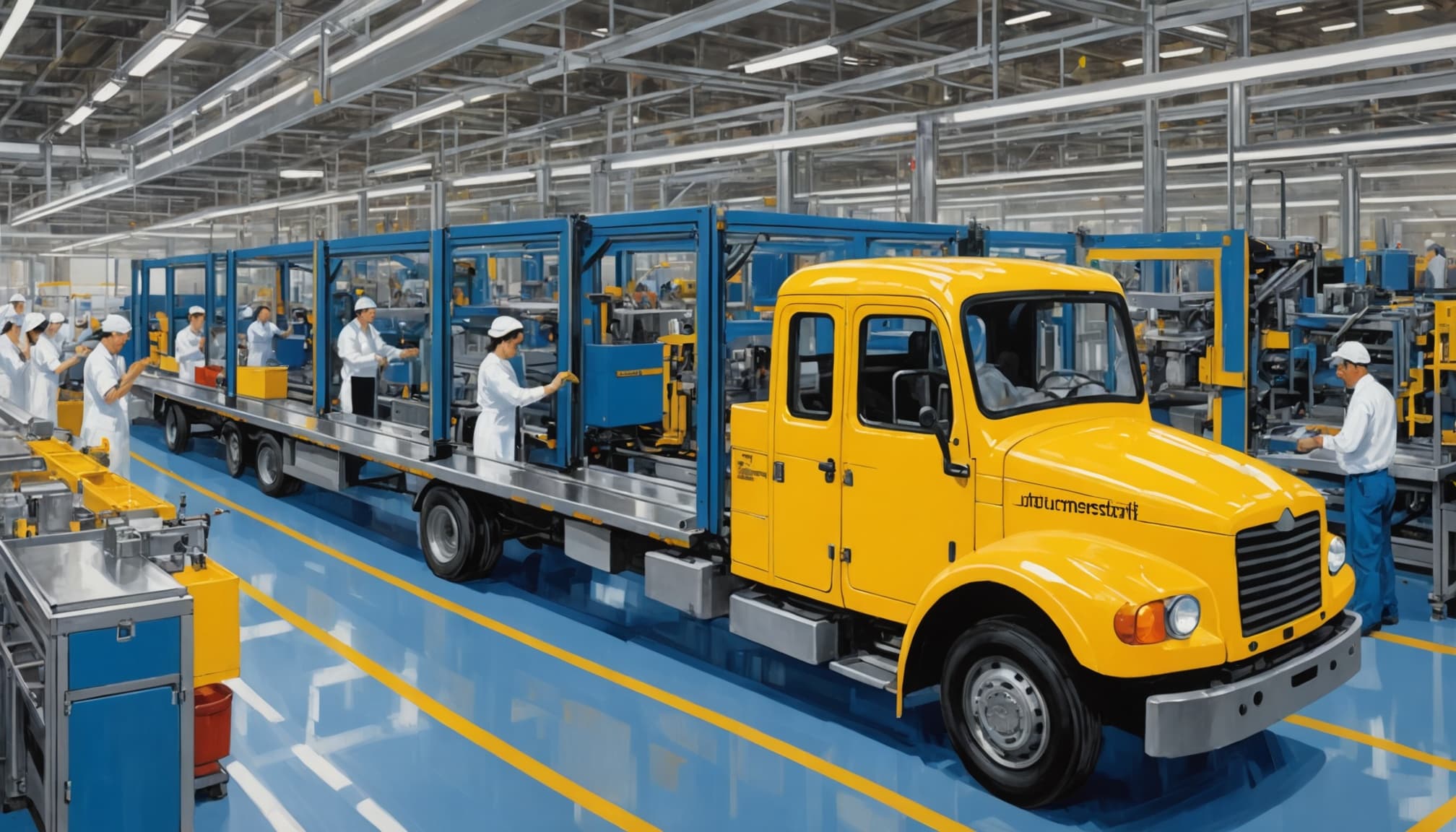
The company's approach to capacity expansion is notably pragmatic. In the light commercial vehicle (LCV) segment, capacity can be boosted from 80,000 to 110,000-120,000 units annually through process improvements and efficiency gains—without adding new buildings or expanding floor space. This expansion can be triggered within 6-9 months when volumes approach current limits. Similarly, bus manufacturing capacity is ramping up from 950 to 1,650 buses per month, with body-building capacity expanding from 12,000 to 20,000+ units annually after the Lucknow plant becomes operational in Q3 FY26. Transcripts +2
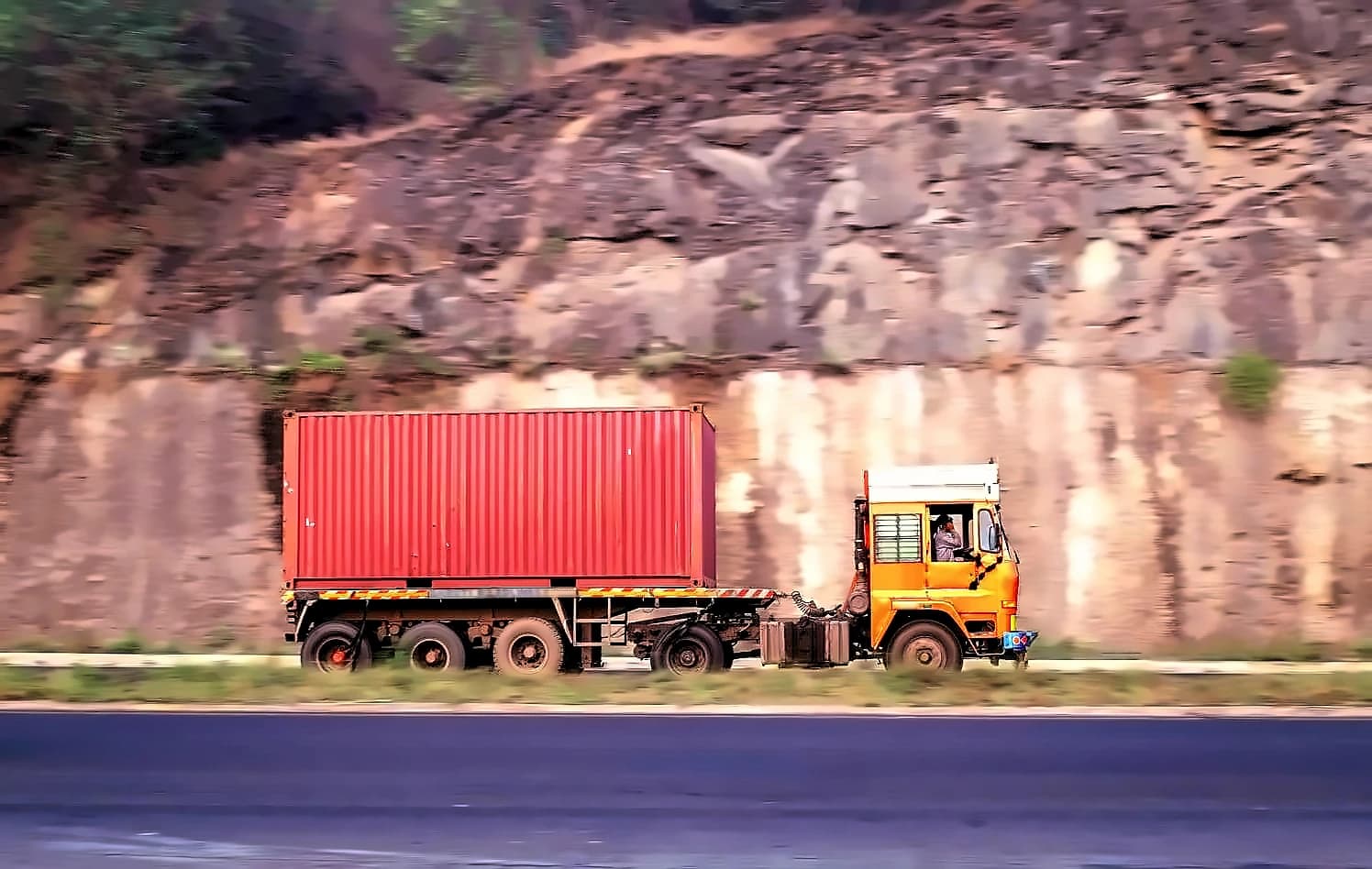
This flexible capacity model directly supports market share ambitions. Ashok Leyland currently holds around 30.5% combined share in M&HCV buses and trucks, with bus segment leadership at 33.8%. In the 2-3.5 ton LCV segment, the company has grown to become the #2 player with 20.4% market share. The strategy is clear: expand capacity just-in-time to capture demand without overbuilding, while simultaneously growing exports with a 20% CAGR target to reach 25,000 units. AnnualReports +3
Manufacturing Efficiency and Operating Leverage
What really sets Ashok Leyland apart is its dramatic improvement in manufacturing efficiency. The company has reduced its MHCV breakeven point from requiring 6,000-7,000 trucks per month to cover fixed costs three to four years ago, to now needing only 1,000-1,500 units monthly. This is a game-changer for operating leverage—lower volumes can now generate profits, and every additional unit sold drops more profit to the bottom line. Transcripts
This efficiency improvement shows up clearly in the margins. Operating margins have expanded for 15-16 consecutive quarters, reaching a record 12.8% EBITDA margin in FY25 and averaging 12.51% in FY26. The Q4 FY26 operating margin hit 14.59%, excluding financial services. What's remarkable is that this margin expansion has occurred even as revenue growth has moderated, proving that margins aren't simply volume-dependent. Transcripts +2
The company has achieved this through relentless cost optimization. Material costs per vehicle have declined on an absolute basis over the past 2-3 years, saving hundreds of crores annually. Working capital has been sharply reduced through inventory management, with receivables down approximately ₹500 crore over the past year and operating working capital cut nearly 50% year-on-year in H1 FY26. A centralized commercial negotiation team now reviews any expenditure above ₹50 lakhs, keeping overheads tightly controlled. Transcripts +3
Pricing Strategy and Product Mix Evolution
Ashok Leyland's pricing philosophy stands in contrast to industry norms. Instead of aggressive discounting to chase market share, the company focuses on improving Net Sales Realization (NSR) through mix improvement and discount reduction. Management has been explicit: they will not sacrifice margins for market share gains. This discipline has allowed price increases of 2.25% for MHCV and over 3.5% for LCVs in FY27, with more taken in Q2. Transcripts +2
The product mix is shifting toward higher-margin segments. Domestic trucks, which accounted for 55-58% of revenue a couple of years ago, now represent 50%. Non-truck businesses—exports, spare parts, defense, and power solutions—are growing faster and carry better margins. Exports grew 45% in Q2 FY26, spare parts have delivered 25%+ growth for two consecutive years, and power solutions grew 28.5% in Q1 FY26. The defense business has an order pipeline at all-time highs and is expected to double in the next 2-3 years. Transcripts +2
Premium products are gaining traction. The TAURUS and HIPPO high-horsepower trucks, air suspension technology offering industry-best payload, and new high-power range (320-360 HP with 20-30% better torque) are positioned at premium prices. This premiumization strategy, combined with cost leadership, supports both margin expansion and revenue growth. Transcripts +1
Capital Allocation and Debt Management
Capital expenditure has increased steadily from historical levels of ₹400-500 crores to ₹900-1,000 crores annually, with FY26 reaching ₹1,050 crores. This investment is directed toward specific priorities: new product development, electric vehicles, digital initiatives, and infrastructure improvements including the Lucknow bus plant. The FY27 capex target is ₹750-1,000 crores. Transcripts +3
Despite a debt-equity ratio of 4.3x, the company's debt position is more nuanced than it appears. Ashok Leyland maintains a net cash position of ₹2,252 crores at the end of FY26, an increase of over ₹1,431 crores year-on-year. Interest coverage has improved from ~1x in FY22 to ~3x in FY26, indicating comfortable debt service capacity. Finance costs (consolidated) actually declined to ₹169.73 crores in FY26 from ₹216.91 crores in FY25. Transcripts +1
The company targets becoming free cash flow positive by FY27. With ROCE at 34% and ROE at 32.5% in FY25, capital is being deployed efficiently. This financial flexibility supports the production expansion needed to reach market share targets without compromising profitability. Transcripts +1
Competitive Positioning and Regulatory Readiness
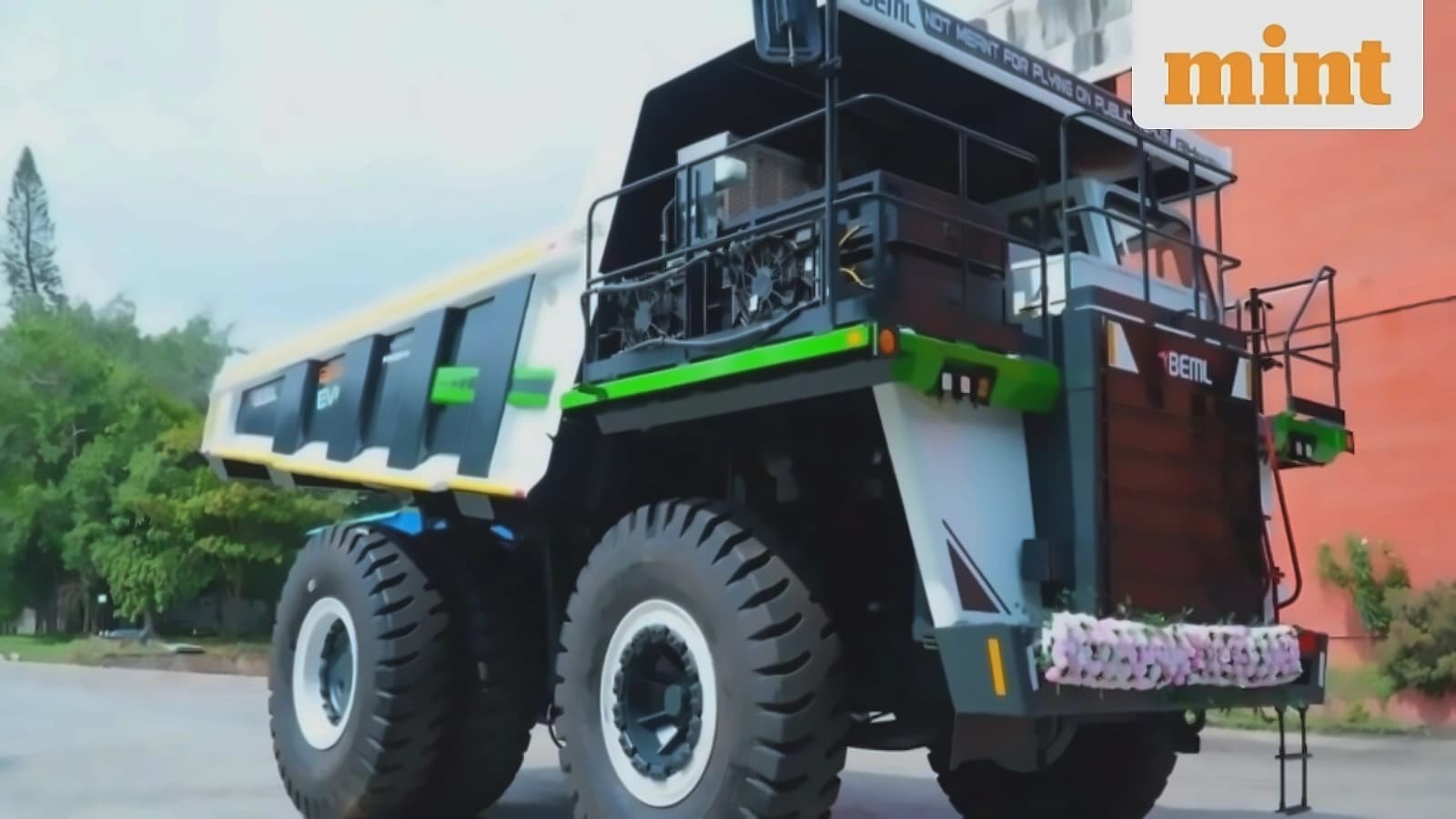
Ashok Leyland is India's 2nd largest MHCV manufacturer and the world's 2nd largest bus manufacturer. Its competitive advantages include cost leadership (lower average cost per vehicle than peers), a modular platform architecture supporting multiple powertrains, and a complete alternate fuel portfolio across CNG, LNG, fuel cell, BEV, bi-fuel, and H2ICE. The company is also making strides in electric vehicles, with Switch India achieving EBITDA breakeven in FY25 and an order book of 1,759 units. InvestorPresentations +4
Regulatory changes have been managed effectively. The BS4 to BS6 transition initially expanded material costs, but engineering optimization has enabled cost reduction over time. AC cabin regulations, with a 0.5-2% price impact by model, have been passed through to customers without resistance. Steel safeguard duties causing ₹3-5/kg inflation are viewed as temporary, with 3-5 months of impact expected before neutralization. Management believes BS7 emission standards won't appear before 2031, possibly 2032, providing a longer runway for current technology. Transcripts +3
Stock Market Perspective and Technical Outlook
Analyst sentiment remains positive despite recent stock weakness. Geojit Financial Services maintains a Buy rating with a target price of Rs 179, representing approximately 16% upside from current levels around Rs 154. This target reflects the company's fundamental strengths: 31% domestic MHCV market share, consistent margin expansion, and strong production outlook. Overall, 53% of analysts rate the stock a Buy, 43% Hold, and only 3% Sell.
The stock currently trades 28% below its 52-week high of Rs 215 but 15% above its 52-week low of Rs 134. Technical indicators show oversold conditions with RSI between 28-34, while the price trades below key moving averages (20-day SMA at Rs 163, 50-day at Rs 167). Support levels exist at Rs 152-155 immediately, with major support at Rs 134-138. Resistance lies at Rs 178-179, aligning with analyst targets, and the 52-week high at Rs 215.
Production performance announcements have shown strong growth—April 2026 domestic sales rose 14% and July sales jumped 30%—yet the stock has declined 12% over the past month. This divergence between strong fundamentals and technical weakness may present an opportunity for fundamental-driven investors.
The Path Forward
Ashok Leyland's strategy to 2031 rests on three pillars: flexible capacity expansion that can scale with demand, manufacturing efficiency that creates operating leverage, and a premium product mix that drives margin expansion. The 35% market share target is supported by cost leadership, pricing discipline, and growing adjacencies in exports, defense, and power solutions.
The company has demonstrated that margins can expand independently of volumes through structural improvements in cost structure and product mix. With net cash of over Rs 2,200 crores, strong interest coverage, and high returns on capital, Ashok Leyland has the financial flexibility to fund its growth ambitions while maintaining profitability. The current technical weakness, contrasted with strong fundamentals and analyst support, suggests the market may be underpricing the company's long-term potential.