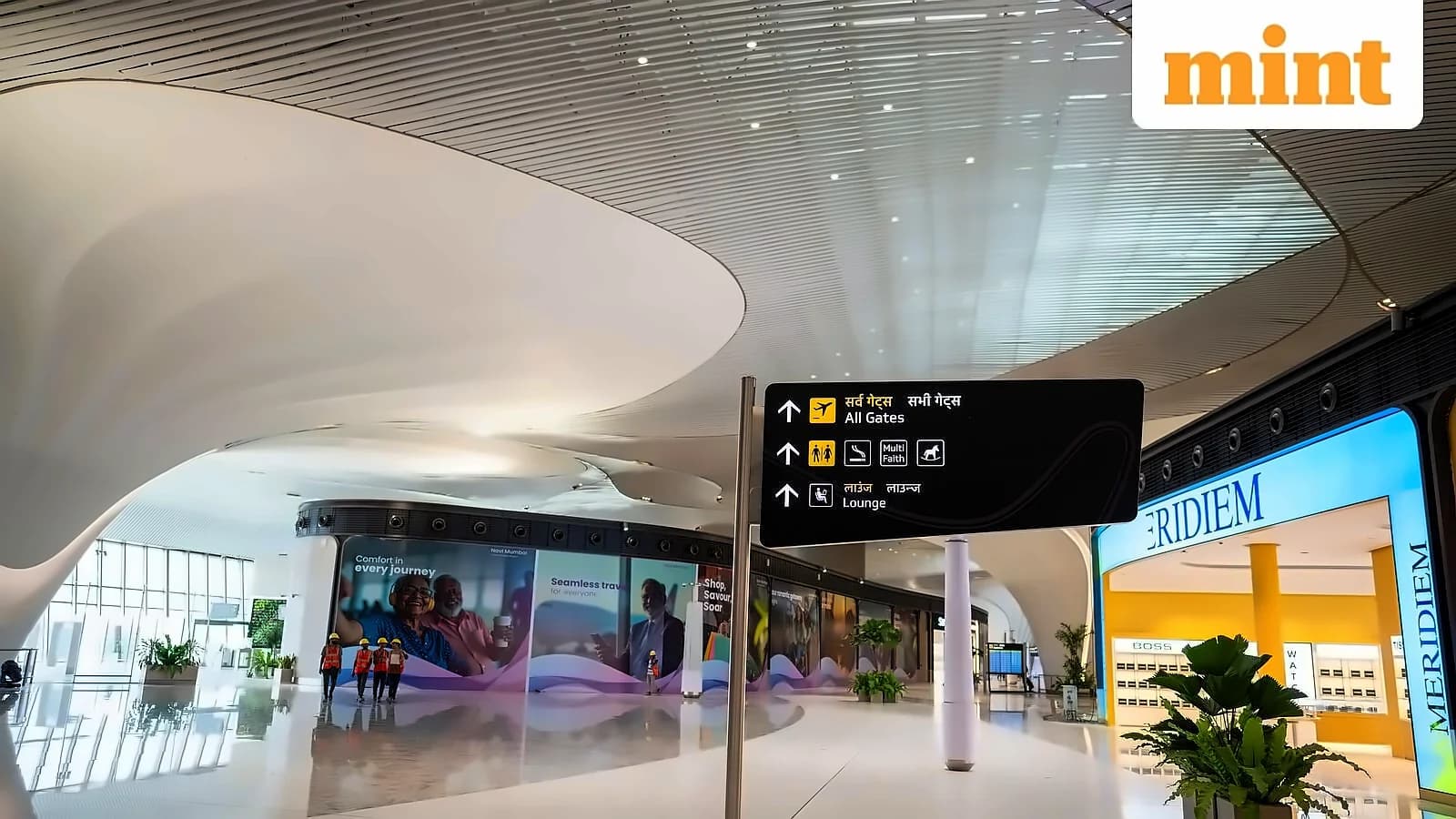
Here's the thing about running airports: you can't just move flights around like chess pieces without asking the players. The Adani Group learned this the hard way in October 2026.
Their plan was straightforward on paper. Shift about 30% of international flight slots from Mumbai's Chhatrapati Shivaji Maharaj International Airport to the shiny new Navi Mumbai International Airport. That meant cutting 265 of 770 weekly international departure slots from Terminal 2, affecting 46 airlines. The proposed start date? October 25, 2026, just in time for the winter schedule.
Airlines called it "forceful." The International Air Transport Association (IATA), which represents global carriers, warned it could hurt connectivity to India's financial capital. The Ministry of Civil Aviation (MoCA) intervened, asked Adani Airport Holdings Ltd to pause, and suddenly the plan was deferred to the summer schedule starting March 28, 2027.
So what went wrong? And why does this matter for anyone flying in or out of Mumbai?
Why Adani Wanted to Move Traffic
The real story starts with an ageing terminal.
Adani says it cannot be allowed to deteriorate further. The fix? A phased demolition starting January 15, 2027, followed by redevelopment that will boost capacity from 15 million to 20 million passengers annually—a 33% jump.
But here's the rub: when you shut down part of an airport, those flights have to go somewhere. Adani's plan was to move domestic flights from Terminal 1 to Terminal 2. That would squeeze Terminal 2, which is already busy. So to make room, international flights at Terminal 2 would move to Navi Mumbai.
About 5 million passengers, roughly 9% of Mumbai's 55 million annual traffic, would be temporarily affected. The remaining 91% would continue operating normally.
From Adani's perspective, this made strategic sense. Navi Mumbai, which began operations on December 25, 2025, needed traffic to ramp up. The company has invested about INR 20,000 crore in Phase 1 and expects the airport to add just over INR 2,000 crore to annual EBITDA once fully operational. Moving international traffic there would accelerate that ramp-up. Transcript +1
Why Airlines Pushed Back
Airlines saw things differently. Winter schedules were already set. Aircraft, crews, and sold tickets were committed. Splitting international operations between two airports 35 to 50 kilometers apart would complicate connections and raise costs.
Then there's the slot issue. Airport slots are valuable assets. Under global guidelines, if you don't use them, you lose them. Airlines worried that giving up Mumbai slots, even temporarily, could weaken their claim to those slots when capacity returns. IATA stressed the need to protect "historic precedence" at Mumbai airport.
Passenger costs were another concern. Navi Mumbai has a higher user development fee than Mumbai. For airlines, moving operations meant changes to ground handling, crew deployment, cargo, and other airport-linked operations.
Analysts pointed out a bigger question: would passengers actually want to fly from Navi Mumbai? If not, they might avoid the airport and its services altogether.
How IATA and the Government Stepped In
IATA didn't just complain; it mobilized. The industry body told airlines to negotiate using global and Indian slot-allocation guidelines, which emphasize consultation, protecting historic slots, and avoiding capacity cuts where possible.
On October 6, Civil Aviation Secretary Samir Kumar Sinha chaired a roughly 90-minute meeting with airlines, Adani Airport, the Airports Authority of India, and IATA. The ministry asked Adani to defer the plan and directed both sides to come up with a firm roadmap.
The message was clear: the proposed timeline was unworkable. IATA and airline representatives had told the ministry exactly that.
The October 13 Meeting and What Changed
On October 13, Adani Airports Holding Limited met with airline representatives. The outcome was significant.
Crucially, they committed not to disturb any slots for the winter schedule.
The slot transfer was officially deferred to the summer schedule, which begins March 28, 2027. Adani said it had secured commitments from international airlines to support the plan for that schedule.
A final decision on the transition plan is expected at or before October 20.
What This Means for Adani's Business
The deferral changes the near-term picture for Adani's airport business. In the winter schedule, Mumbai's international slots—and the revenue they generate—remain intact. That's good news for short-term earnings. The airport segment reported INR 3,763 crore in total income for Q1 FY27, up 39% year on year, with EBITDA rising 49% to INR 1,633 crore. Investor Presentation +1
For Navi Mumbai, the deferral means international traffic will ramp up more slowly than originally planned. The airport contributed about 0.6 million passengers in Q4 FY26, compared to 14.0 million at Mumbai. The delay pushes out the upside from Navi Mumbai but doesn't directly affect the regulatory returns, which are tied to the asset base rather than immediate traffic. Investor Presentation
The bigger question is the investment recovery timeline. Navi Mumbai is a regulated asset base business. The RAB is expected to grow from about INR 37,000 crore to close to INR 70,000 crore, with expected returns of 12–14%. A five-month delay in international traffic doesn't change the allowed return, but it does mean the asset earns less while depreciation continues. Q1 FY27 showed a profit before tax loss of INR 194 crore, attributed to higher depreciation from capitalizing Navi Mumbai. Transcript +3
The Trade-offs Adani Is Managing
Adani is balancing several competing priorities. On one side, there's the urgent need to redevelop Terminal 1 for safety and capacity reasons. On the other, there's the pressure to fill Navi Mumbai and justify its massive investment.
Then there's airline and passenger convenience. Adani has proposed lower landing fees and covering the user development fee gap at Navi Mumbai, pending ministry approval. But the distance between the two airports and the higher fees remain concerns.
Aviation experts have questioned whether the transition could have been timed better to give Navi Mumbai more time to stabilize. The airport is still working through challenges in cargo, ground-handling, manpower, and connectivity.
What Happens Next
The immediate focus is the October 20 meeting, where the final contours of the transition plan are expected to be decided. The summer schedule starting March 28, 2027, is now the target for the slot transfer.
Between January 15, when Terminal 1B demolition begins, and March 28, when international slots start moving, Adani will need to manage displaced domestic flights. The options include absorbing them within Terminal 2's existing capacity or moving some to Navi Mumbai voluntarily. Airlines were given the option to move to Navi Mumbai, but the details of how this will work in practice remain unclear.
For passengers, the advice is simple: check your airport and terminal before you travel. The two-airport system for Mumbai is here to stay, and how smoothly it works depends on the coordination between Adani, airlines, and the government in the coming months.
The deferral bought time, but it didn't solve the underlying challenge. Mumbai needs a modernized Terminal 1. Navi Mumbai needs traffic to fill its capacity. Airlines need predictability and protection for their slots. Finding a balance that works for all three is the real test ahead.