Adani Ports and Special Economic Zone (APSEZ) just dropped roughly ₹27,200 crore (€2.56 billion) to buy Evos B.V., Europe's second-largest independent liquid storage operator. It's an all-cash, debt-funded deal that takes the Indian port giant into the heart of Europe's energy infrastructure. The question isn't just why they did it, but whether the math works.
The Strategic Push: Why Europe, Why Now?
Karan Adani, Managing Director of APSEZ, called this a milestone toward handling 1 billion tonnes of cargo and building a "truly global, integrated transport platform". That's the headline. The subtext is diversification. APSEZ's domestic business has felt the heat from geopolitical tensions in West Asia, which have affected port volumes. Buying Evos shifts the mix.
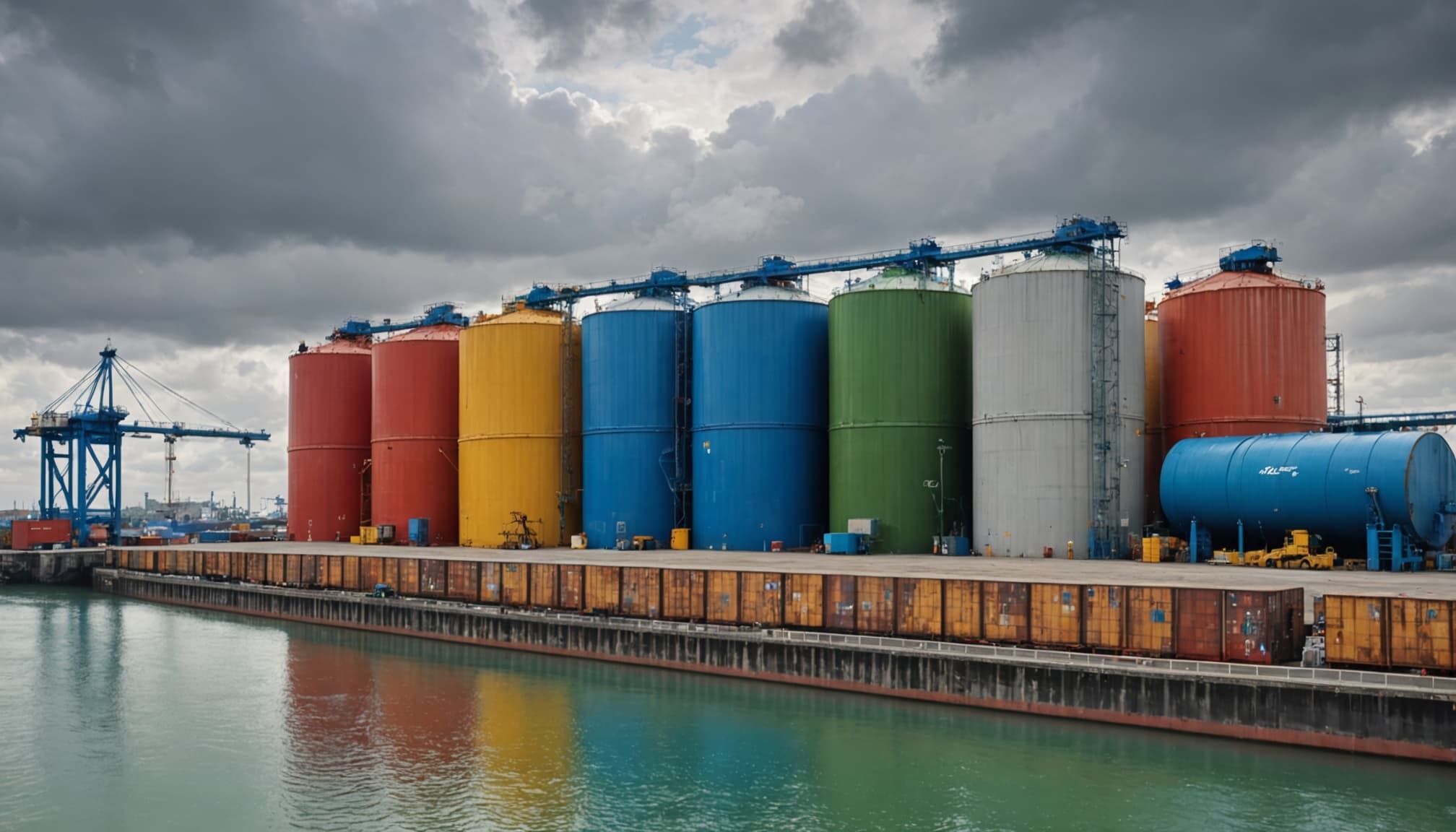
Evos isn't just a warehouse. It operates 8 port-based terminals across the Netherlands, Germany, Spain, Belgium, and Malta, with 6.3 million cubic metres of storage capacity. These terminals sit in prime energy hubs like the Amsterdam-Rotterdam-Antwerp (ARA) region, Hamburg, and the Mediterranean. They're connected to critical infrastructure, including pipelines to Schiphol airport and the Central Europe Pipeline System.
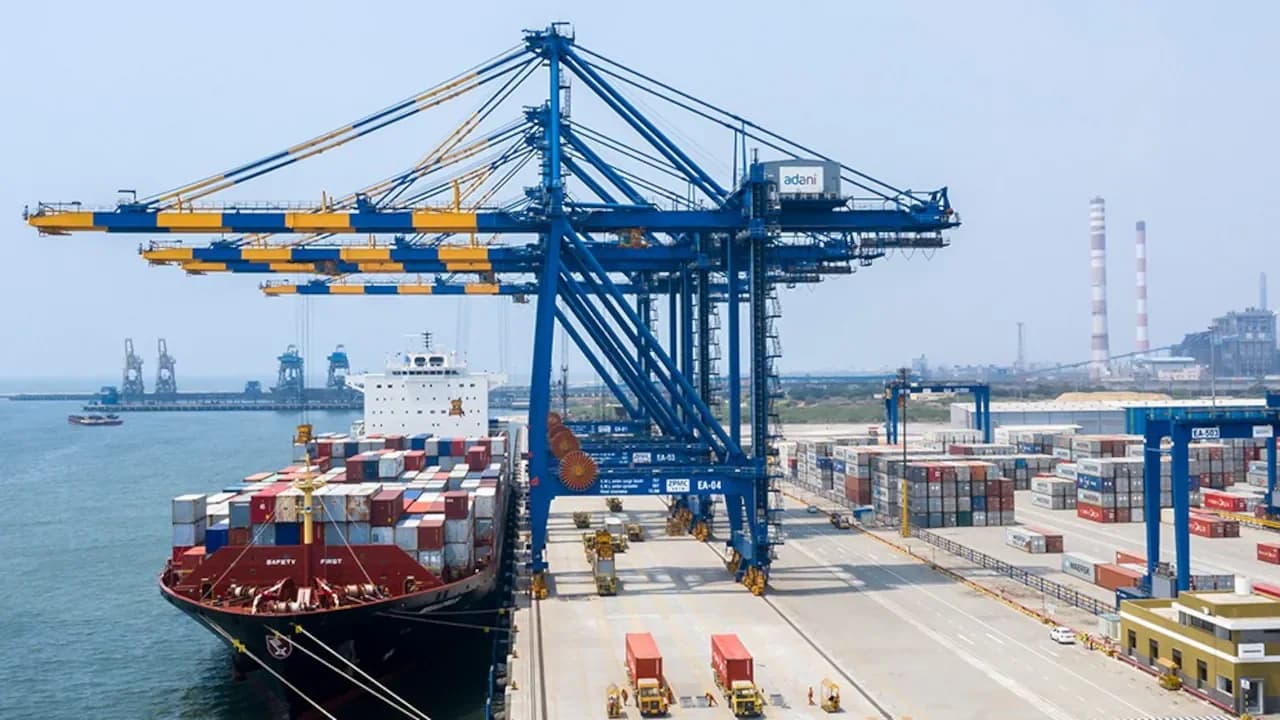
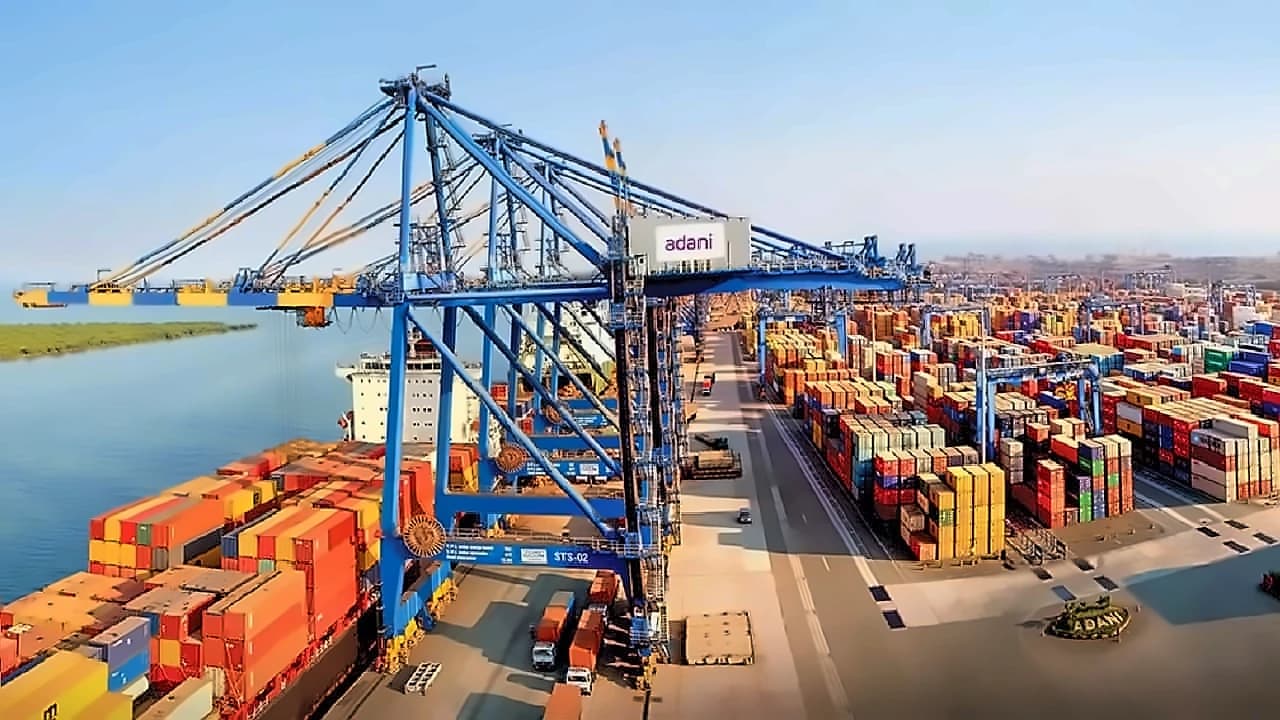
This fits APSEZ's broader strategy. The company already runs ports in Israel, Tanzania, Sri Lanka, and Australia. Adding Evos expands its footprint to 28 ports and terminals across 10 countries. It's not just about geography; it's about the product mix. Evos handles conventional fuels like gasoline and gasoil, but also transition fuels like sustainable aviation fuel (SAF), biofuels, methanol, and bioethanol.
The Complementary Fit: Ports Plus Storage
Here's where the pieces click together. APSEZ is a beast at moving containers, coal, and dry bulk. In Q2 FY27, containers made up 44% of its cargo volume, while thermal and coking coal accounted for about 32%. Liquids (excluding crude) were just 3%. Evos flips that script. It handled 37 million metric tonnes of throughput in CY25, generating revenue of €392 million and EBITDA of €219 million. Investor Presentation
The margins are impressive.
It's a high-margin, cash-generative business with 99% average commercial occupancy, backed by take-or-pay contracts and inflation-linked pricing. Investor Presentation
Operationally, the synergies are about cross-selling and corridor play. Evos's customers—global energy majors, chemical companies, and commodity traders—could be offered APSEZ's ports and logistics services in India, the Middle East, and other markets. Imagine liquid cargo flowing from Gulf refineries through APSEZ ports into Evos's European tanks. That's the vision.
The Financial Math: Leverage and Returns
Now, the tricky part. The deal is entirely debt-funded, with MUFG acting as the sole underwriter and providing financing commitments of up to €2.8 billion. The enterprise value is €2.56 billion, with an equity consideration of €1.18 billion. The valuation works out to 11.7 times Evos's CY25 EBITDA.
APSEZ's current leverage is manageable. Net debt-to-EBITDA stood at 1.8x in H1 FY27, down from 1.9x in FY26. The company has a stated leverage target of up to 2.5x.
That's tight but within the target band. Investor Presentation +1
Interest coverage will take a hit. APSEZ's FFO interest coverage was 6.2x in H1 FY27. Adding roughly €2.56 billion in debt (assuming a 6-7.5% cost) could increase annual interest costs by ₹1,600-2,000 crore. Coverage could drop to around 4.6-4.9x. Evos's EBITDA should cover its own incremental interest about 1.2-1.4 times, but the buffer shrinks. Investor Presentation
On returns, the entry yield is about 8.5% on EV (EBITDA yield). That's pre-tax and pre-depreciation. APSEZ's consolidated ROCE was 16% in H1 FY27. The deal likely dilutes ROCE initially. The bet is on stable, contracted cash flows and growth from the energy transition, not an immediate return boost. Investor Presentation
Revenue Mix and Earnings Stability
Evos adds a new, sizeable business line. Its CY25 revenue of about ₹4,168 crore would be roughly 8.4% of APSEZ's Q2 FY27 revenue. More importantly, it shifts the geographic mix. International revenue share jumps from about 16% to around 23%. Investor Presentation
This diversification should stabilize earnings. Evos's revenue is largely under take-or-pay and CPI-linked contracts, reducing volume risk. European storage demand moves with oil-product trade flows and energy security concerns, which is a different cycle from India's container and coal volumes. The 99% occupancy means near-term cash flow is locked in.
However, long-term demand for conventional fuels in Europe is declining. Growth in SAF, biofuels, and methanol is meant to offset this, but the pace is uncertain. The margin profile is strong, but the growth profile is modest.
The Road Ahead: Approvals and Risks
The deal isn't done yet. It needs regulatory approvals in India and relevant foreign jurisdictions, plus a works council consultation in the Netherlands. The company indicates completion within 15 months. Foreign investment screening for critical infrastructure in Europe could be a hurdle, though APSEZ has no overlap with Evos's business.
Currency risk is real. Evos earns in euros; APSEZ reports in rupees. EUR/INR volatility will affect reported numbers. The funding mix (euro vs. rupee debt) will determine the natural hedge. APSEZ uses cross-currency swaps and forwards to manage forex risk, but unhedged foreign currency bonds stood at ₹24,082 crore as of March 31, 2026. Annual Report +1
Competition in Europe is moderate, with players like Royal Vopak, Oiltanking, and VTTI holding about 40% of third-party capacity. These rivals are investing heavily in transition fuels and infrastructure. Evos's success under APSEZ will depend on maintaining customer relationships during the ownership change and investing in tank conversions for new fuels.
The Bottom Line
Adani Ports is making a calculated bet. It's paying a full price for a high-quality, contracted asset in a strategic geography. The leverage rises, but stays within the target. The margins are strong, and the diversification is real. The execution risk lies in integration, regulatory approvals, and navigating Europe's energy transition. If it works, APSEZ transforms from an India-centric port operator into a global logistics and energy infrastructure player. If not, the debt burden will weigh. The story is just beginning.