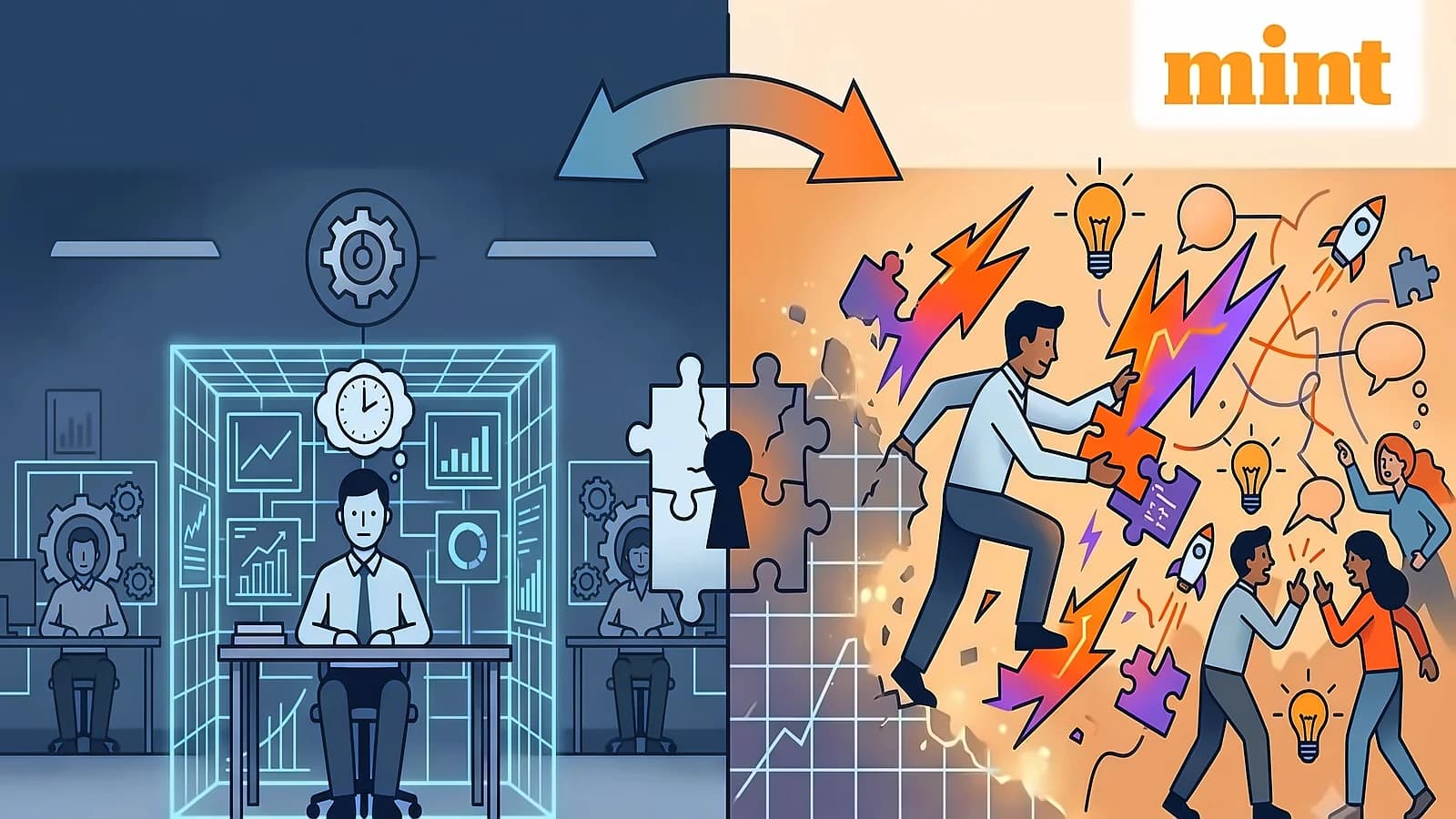
Sridhar Vembu, founder of Zoho, has announced that the company will not expand its work-from-home policy after internal discussions found that in-person collaboration delivers stronger results for research and development teams. According to reports from Mint, Vembu stated that after weighing in on his social media post, the company decided not to expand WFH because the productivity of face-to-face problem solving is much higher in R&D. He explained that issues take longer to resolve when teams are not meeting in person, citing his own development team experiences as evidence.
Explaining the company's stance, Vembu emphasized that collaboration happens more fluidly face-to-face and they come up with better solutions. As reported by Mint, he noted that direct interaction among teams helps resolve challenges faster and improves the quality of solutions developed. Instead of increasing remote work, Vembu indicated that Zoho would pursue alternative measures aimed at reducing fuel use and improving sustainability, including electric bus fleets and electric cooking in canteens. The company is also evaluating electric cooking systems for office canteens and continuing investments in solar energy infrastructure to reduce overall fuel consumption.
The latest statement comes only days after Vembu had hinted that Zoho might reconsider its office-first model in light of Prime Minister Narendra Modi's comments on conserving fuel. According to Mint, on May 11, Vembu had posted that the company would revisit Work From Home now, stating they had adopted natural farming in their farm and were actively looking for ways to cut diesel use. However, Vembu has now clarified that the company believes physical collaboration remains more effective for quicker problem-solving and stronger outcomes.
The decision follows Prime Minister Modi's call on citizens to adopt austerity measures as tensions in West Asia and pressure on global supply chains continued to impact energy markets. As reported by Mint, Modi encouraged people to reduce petrol and diesel usage, rely more on public transport and choose carpooling where possible. He also advised organisations to allow employees to work from home whenever feasible, stating that while they got habituated to virtual methods during Covid-19, the need of the hour is to resume those methods.