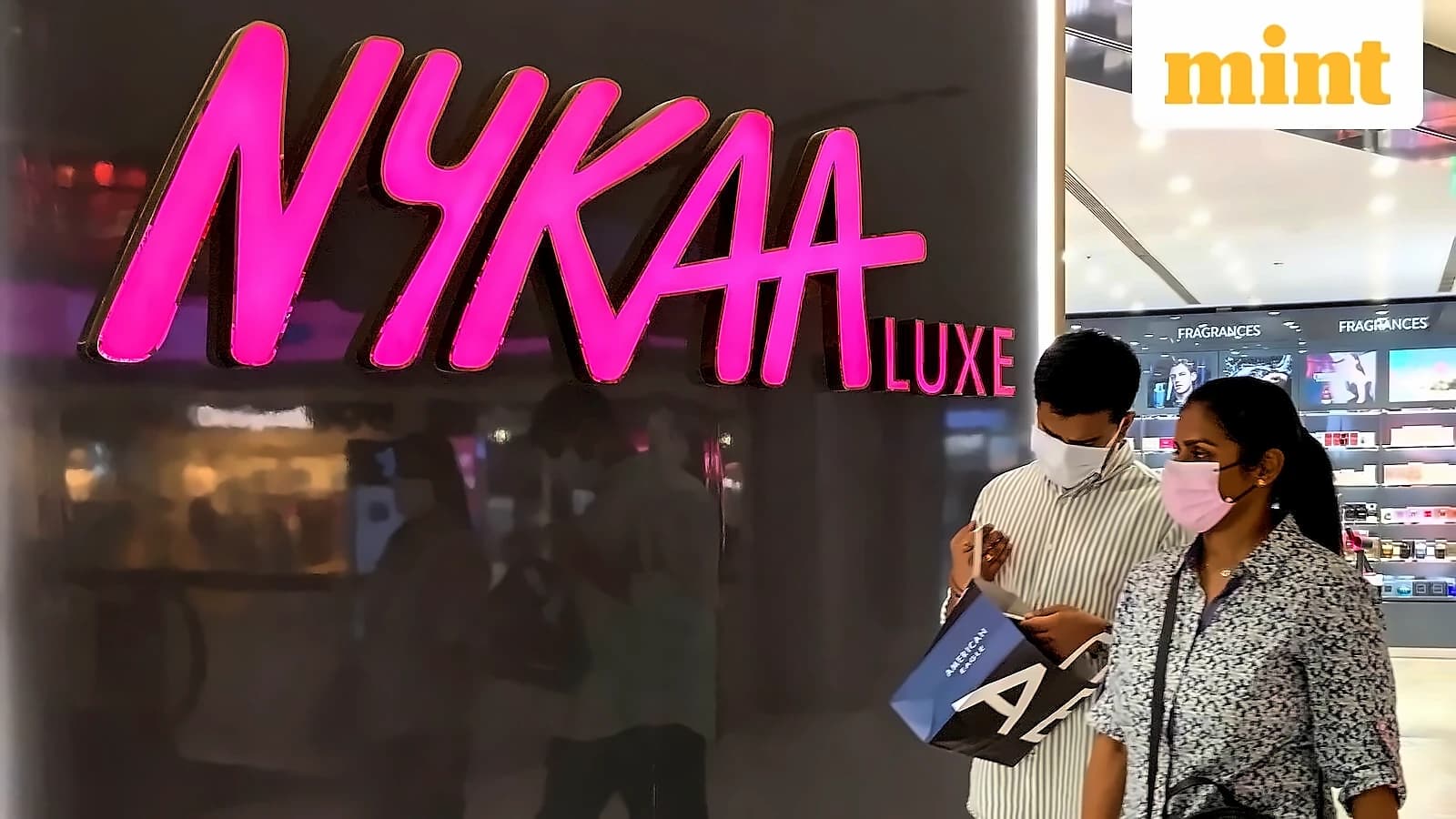
Zee Entertainment Enterprises Ltd has filed separate lawsuits against Blinkit and Nykaa, alleging the brands used copyrighted content in promotional social media campaigns without obtaining required commercial licences. According to reports from Mint, in Nykaa's case, Zee has accused the beauty retailer of using songs from its catalogue to promote products, with the company seeking ₹2 crore in damages. Nykaa has since taken down the Instagram reels identified in the lawsuit, but the case could set important precedents for social media marketing practices.
The Zee lawsuits hinge on the critical distinction between personal and commercial use of copyrighted content. As reported by Mint, individuals may use copyrighted music, film clips or images on social media platforms like Instagram and Facebook, where platforms have licensing arrangements with copyright owners covering personal, non-commercial use. However, when brands use such content for advertising or marketing purposes, they typically require separate licences from copyright owners. This distinction becomes particularly relevant as brands increasingly draw on memes, trending songs and popular culture to engage audiences.
According to Mint reports, these cases represent uncommon legal action in India targeting brands over copyrighted material in social media marketing. While Indian courts have dealt with copyright disputes involving films, music and television for decades, lawsuits specifically targeting brands over viral digital campaigns remain relatively rare. The cases could clarify how brands can use copyrighted material in social media marketing and may force marketers to rethink where the line lies between clever cultural references and copyright infringement.
As explained by Sonam Chandwani, managing partner at KS Legal & Associates to Mint, there is no single legal test for determining copyright infringement, with much depending on how content is used and whether substantial parts of original works are reproduced. Chandwani noted that simply referring to popular dialogues or cultural moments may not constitute infringement, while genuine parody or satire that comments on or transforms original works may be protected. However, when brands use recognizable characters, dialogues or visuals primarily for marketing without permission or meaningful transformation, legal defenses become weaker.
According to Mint reports, where campaigns rely heavily on identifiable copyrighted material or intellectual property associated with other brands or production houses, obtaining commercial licences remains the safest approach. Even where legal defenses may ultimately succeed, litigation can be expensive, disruptive and damaging to brand reputation. If courts side with Zee, brands may increasingly turn to original content rather than relying on viral trends. The disputes underscore that intellectual property compliance is becoming an integral part of marketing strategy rather than an issue addressed only after campaigns go live.