The Delhi High Court has accepted Whirlpool's legal challenge against Havells India's ownership of the 'India's first anti-frost refrigerator' claim, issuing notice to Havells for its reply. However, as reported by NDTV Profit, the court declined Whirlpool's request for an immediate restraint on the advertisement, noting that the campaign had already been in the public domain for months. The legal dispute came up before the Delhi High Court on Monday, with the court accepting Whirlpool's suit and seeking Havells' response to the allegations.
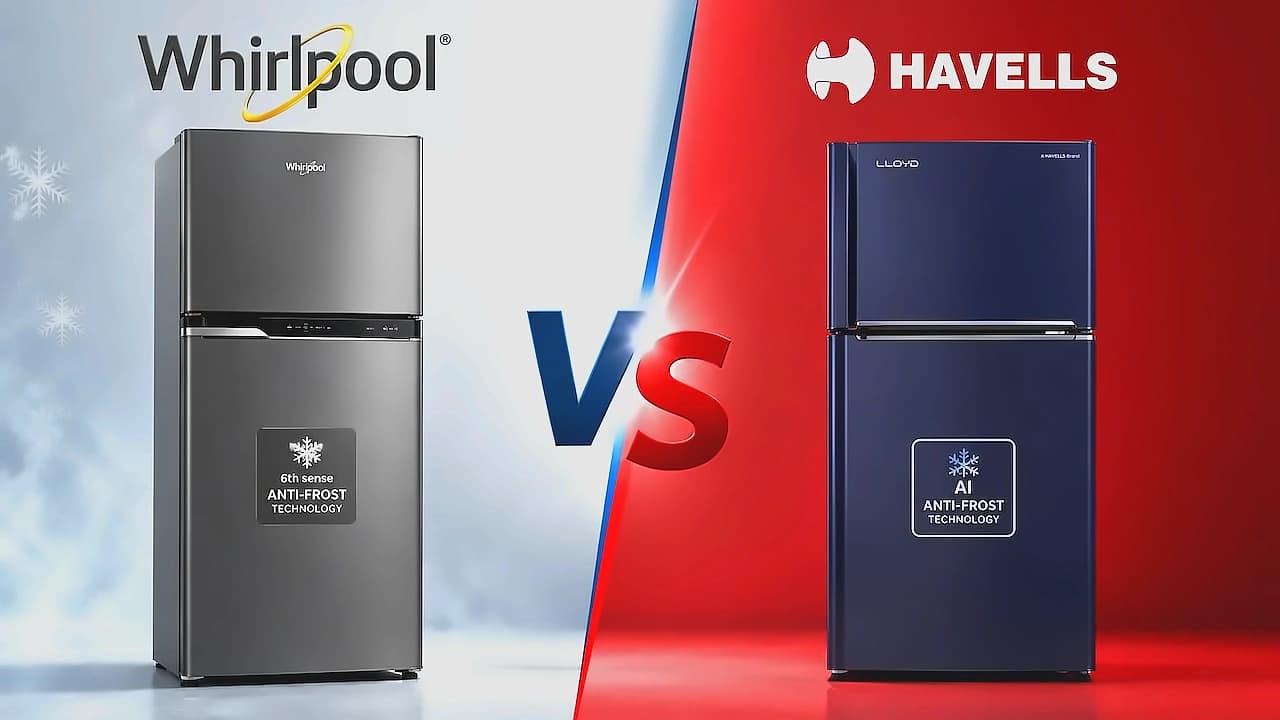
Whirlpool's legal argument focuses on the fundamental definition of anti-frost technology. According to NDTV Profit, the company contends that frost-free and auto-defrost refrigerator technologies have existed long before Lloyd's launch. Whirlpool told the court that the term 'anti-frost' is effectively another way of describing frost-free or auto-defrost technology, with the company having sold and advertised refrigerators with similar functionality much before Havells entered the segment. The company relied on certifications and market history to challenge Havells' market first claim.
According to NDTV Profit, Whirlpool argued that while Havells describes the refrigerator as AI-powered anti-frost technology, the company's advertising does not claim the product is the first AI-powered refrigerator. Instead, the prominent consumer-facing claim is that it is India's first anti-frost single-door refrigerator. The company emphasized that companies are free to exaggerate their products' virtues but cannot make factual misstatements about market positioning. Whirlpool contended that Havells' claim of being the first in the market was incorrect given the long history of frost-free technology in the market.
Havells India opposed the maintainability of Whirlpool's action as a commercial suit, as reported by NDTV Profit. The company maintained that its AI-powered anti-frost technology represents a first-of-its-kind offering in the market. The legal dispute highlights the competitive nature of India's refrigerator market and the importance of product positioning in consumer advertising campaigns, with both companies staking claims to technological innovation in the refrigeration segment.