SpaceX has experienced a dramatic market reversal, with shares falling to a fresh low near $111 on Thursday, representing a 44% collapse from its June peak. According to reports from ET Now, this decline has erased approximately $1.2 trillion from the company's market value, bringing it down to roughly $1.48 trillion. The stock is now trading well below its $135 IPO price, marking a significant shift from the market's most celebrated new listing to what analysts describe as the most expensive lesson in gravity. The company went public on June 12, 2026, in the largest IPO ever, raising around $75-86 billion by pricing shares at $135 each. This gave SpaceX an initial valuation of roughly $1.77-1.8 trillion, but the stock opened around $150 and surged to hit an intraday high of about $225-226 shortly after, with the market capitalization briefly exceeding $2.6 trillion.
The damage extends beyond equity markets, as Investing.com India reports that SpaceX's 6.65% senior unsecured bonds due in 2056 have dropped from around 97 cents on the dollar to roughly 87.6 cents. These notes formed part of SpaceX's $25 billion inaugural debt offering, which attracted nearly $89 billion of initial orders. The bond market decline indicates that investors are questioning the price paid for distant cash flows, particularly as rising Treasury yields and inflation concerns push long-term borrowing costs higher. According to ET Now, the company reported about $18.7 billion in 2025 revenue (driven heavily by Starlink's growth to millions of subscribers), but it has faced ongoing losses, particularly in its AI-related ventures following the xAI integration.
According to Investing.com India, the equity and bond markets are now delivering the same verdict simultaneously, with the market saying that discount rates and funding burden have become part of the story. Short sellers have generated roughly $15.5 billion in paper profits since the IPO, with around 360 million shares representing 56% of the freely traded stock reportedly on loan. The initial surge reflected classic IPO hype and FOMO, especially given Musk's strong personal brand and SpaceX's achievements in reusable rockets, Starlink satellite internet, and ambitious plans. However, reality set in as investors scrutinized the fundamentals, with SpaceX's valuation at peak levels implying extremely high multiples—over 100 times trailing revenue in some estimates. The company has faced heavy capital spending on Starship development, satellite deployments, and data center infrastructure, raising concerns about cash burn and execution risks.
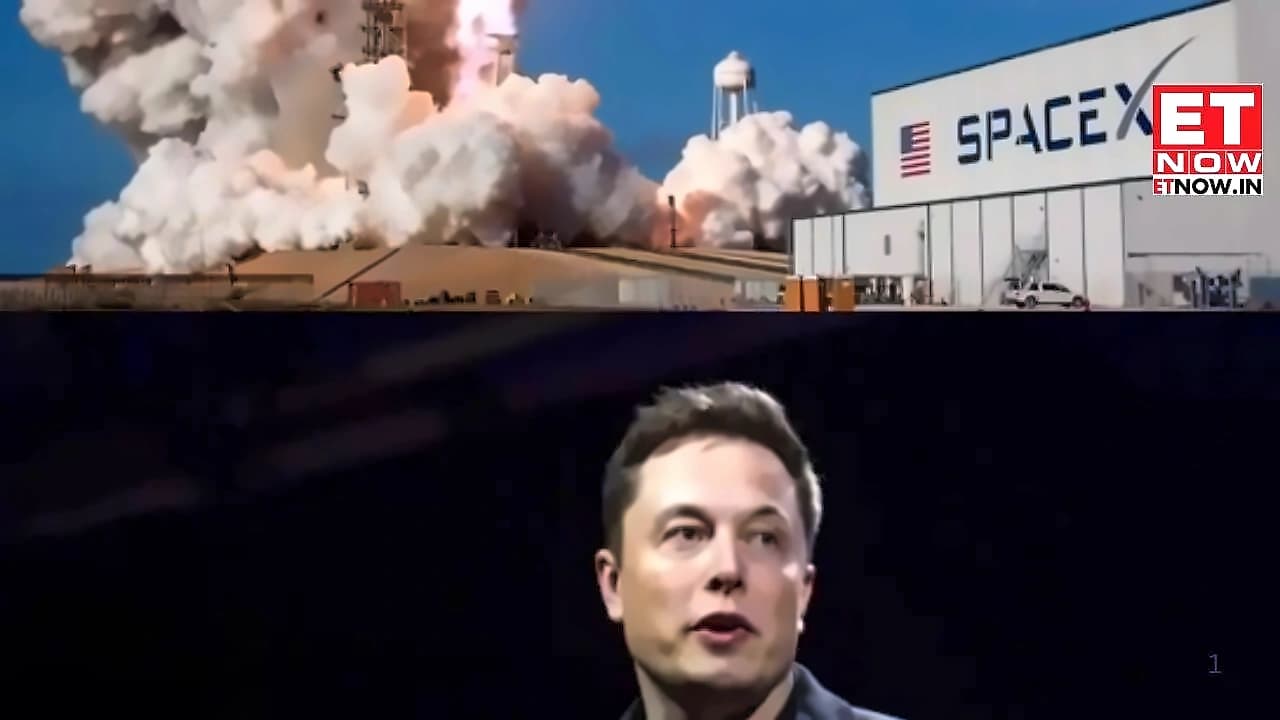
As reported by Investing.com India, the SpaceX decline represents a warning for the broader technology and AI complex, as investors are now questioning who funds the buildout, at what interest rate, and how quickly spending generates cash to justify valuations. The market previously rewarded companies for announcing ever-larger capital expenditure plans, but is now asking the second question about funding and return on investment. According to ET Now, a cooling in AI enthusiasm, rising interest rate expectations, and a tech sector pullback pressured high-growth names. Operational hiccups, such as a recent Starship launch abort due to engine issues, added to the selling pressure by reminding investors that space tech remains high-risk despite SpaceX's impressive track record. The decline is particularly notable given that SpaceX shares have dropped twenty percent since their debut last month, with investors avoiding riskier technology firms amid rising geopolitical concerns and spending power questions across the AI ecosystem.
In contrast to SpaceX's struggles, Intel delivered strong results that provided relief to the technology sector. According to Investing.com India, Intel reported adjusted earnings of 42 cents per share, double the 21 cents expected by analysts, while revenue reached $16.1 billion against a consensus estimate of $14.42 billion. The quarter delivered the company's fastest rate of sales growth since 2011, with Intel expecting adjusted earnings of 38 cents per share on revenue between $15.8 billion and $16.8 billion for the current quarter.