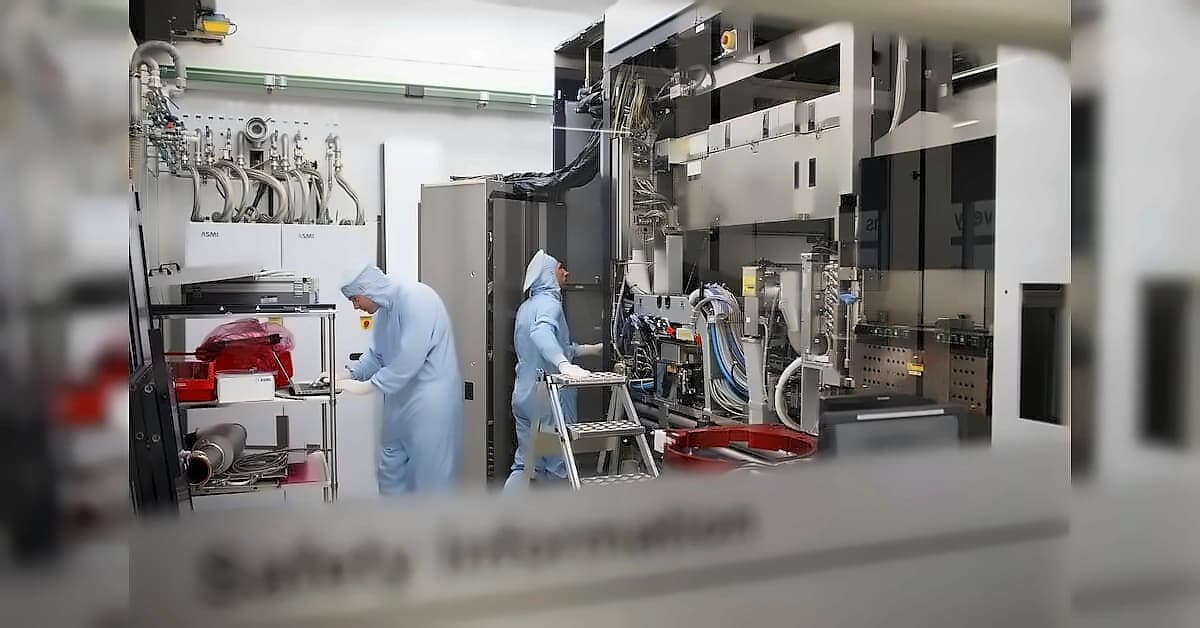
A bipartisan group of six US senators has issued a stern warning to Apple Inc. regarding its potential sourcing of memory chips from blacklisted Chinese semiconductor suppliers. The senators, led by Indiana Republican Jim Banks and New York Democrat Chuck Schumer, sent a letter to Apple CEO Tim Cook urging the company to abandon any efforts to buy chips from CXMT Corp. and Yangtze Memory Technologies Co. (YMTC). The lawmakers, who also included Democrats Andy Kim and Jeanne Shaheen, as well as Republicans Mike Crapo and Pete Ricketts, emphasized that both companies are on a recently updated Pentagon list of Chinese entities believed to support Beijing's military activities. As Bloomberg reports, the senators warned that the move would ensure the world's most valuable consumer-electronics company grows dependent on critical supplies from a firm the United States government has formally designated as a Chinese military company. The senators have now set a August 21 deadline for Apple to commit to avoiding incorporating CXMT or YMTC memory into its products, including devices produced exclusively for the Chinese market.
The senators argued that allowing Apple to purchase Chinese memory would create significant national security risks despite potential cost savings. According to Bloomberg, they warned that the move would ensure the world's most valuable consumer-electronics company grows dependent on critical supplies from a firm the United States government has formally designated as a Chinese military company. The senators specifically cited that once CXMT memory clears qualification for Apple production, extending it worldwide is a single procurement decision away. This short-sighted move would be a mistake, the senators wrote, highlighting the strategic implications of relying on Chinese suppliers for critical components. The senators also warned that other companies could follow Apple's lead, potentially undermining domestic memory production and planned investments in states such as Indiana, Idaho, New York, and Virginia.
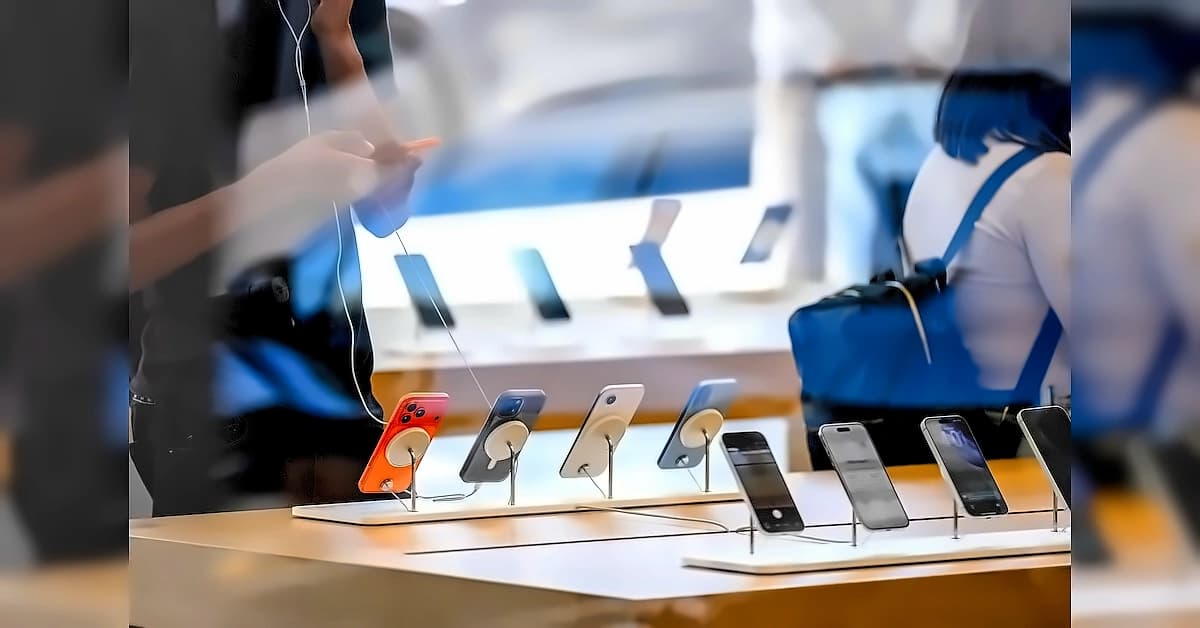
Apple has been actively seeking alternative memory suppliers as it faces a global squeeze on chip supplies that has caused memory prices to soar. According to Bloomberg, in June, Apple raised prices of all its Macs, iPads, home devices and the Vision Pro, attributing the increases to the memory chip shortage. The company has been in negotiations to acquire chips from CXMT and YMTC as it grapples with unprecedented demand from AI processor makers including Nvidia Corp. The Wall Street Journal reports that Tim Cook said "everything needs to be on the table" and "we should look at all supply" in an interview ahead of Apple's recent price hikes. The Financial Times reports that Apple was already testing CXMT's DRAM chips and was in negotiations to purchase chips from YMTC. Bloomberg reports that Apple has been seeking the blessing of senior Trump administration officials including Treasury Secretary Scott Bessent in its bid to buy chips from the two Chinese firms, highlighting the political complexity of the supply chain decisions.
The senators have requested specific commitments from Apple regarding its dealings with the Chinese suppliers. According to Business Standard, they asked Apple to commit by August 21 to avoid incorporating CXMT or YMTC memory into its products and requested information about intellectual property transfers, the status of Apple's qualification of CXMT and YMTC components, and whether the company has sought priority allocation from US or South Korean memory makers. The senators noted that while Apple doesn't need US permission to buy products from the companies outright, under Commerce Department export control rules, all controlled items sent to advanced chipmaking factories in China require licensing, with such requests typically denied. As Bloomberg reports, the objections from national security hawks in Washington are unsurprising given the heightened tensions between the US and China over advanced technology, with the debate unfolding as President Trump prepares to meet Chinese counterpart Xi Jinping for a summit in September.
Apple shares closed at $338.19 on July 29, down 0.56%, after reaching an intraday high of $344.57, preventing the company from closing above a $5 trillion market value. According to Reuters, Apple extended the decline during July 30 trading, falling about 1.8% in the morning as investors also prepared for Apple's quarterly earnings report. The stock decline reflects investor uncertainty about Apple's response to the senators' demands and the broader AI memory shortage that is limiting the company's sourcing options. The August 21 response will show whether Apple accepts the senators' demand or continues evaluating Chinese memory for locally sold devices, making it relevant to the company's sourcing plans for the 2027 iPhone cycle. Separately, Apple faces a federal lawsuit from three users who allege that fake apps impersonating Sparrow Wallet appeared on its App Store and caused approximately $1.835 million in Bitcoin losses.