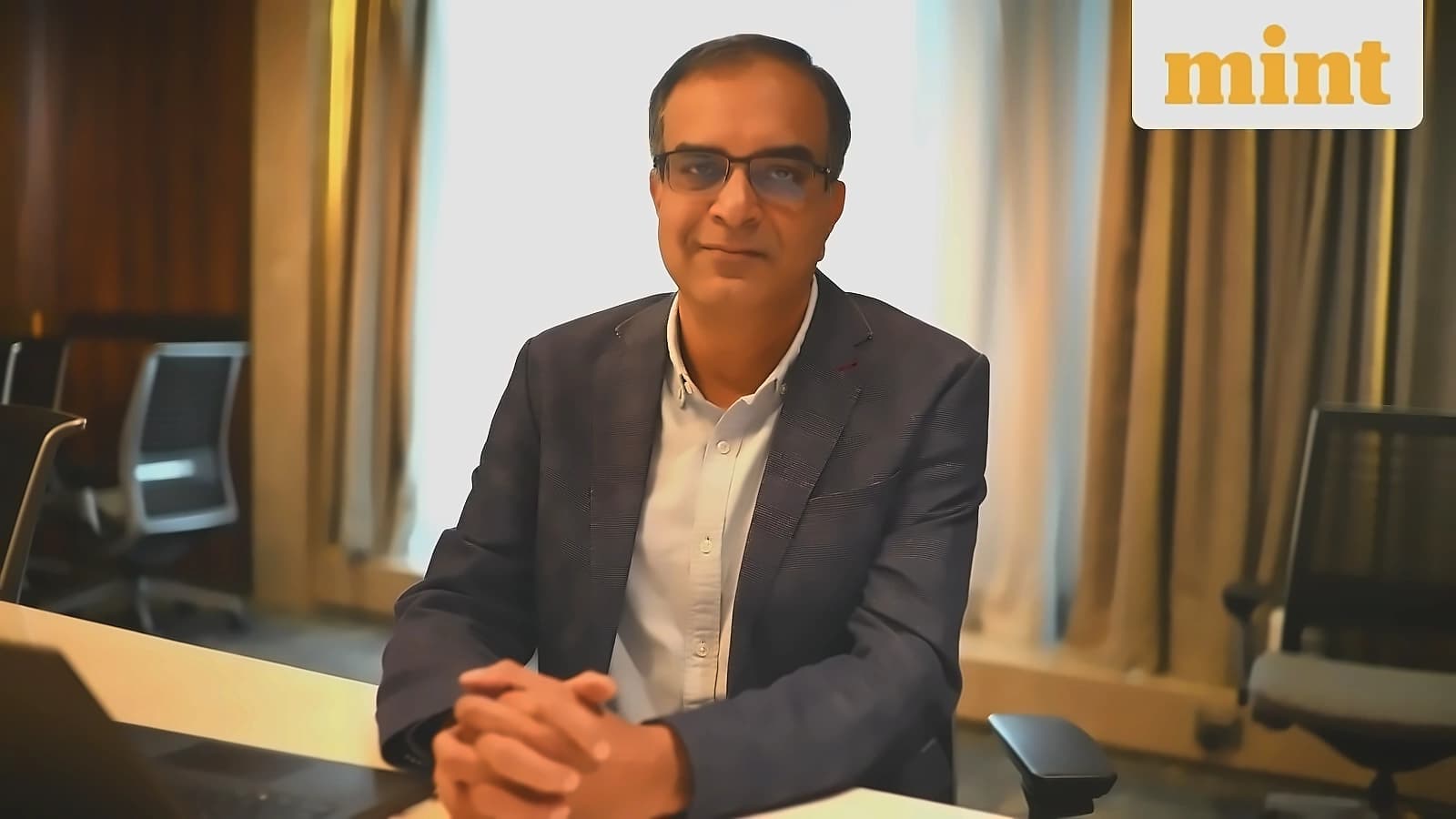
Aditya Birla Fashion and Retail Ltd (ABFRL) is planning to expand the footprint of French luxury department store chain Galeries Lafayette in India by opening a new large-format outlet roughly every two years. According to Mint, the retailer, which has an exclusive partnership to develop and operate Galeries Lafayette in India, opened its first store at Mumbai's heritage-listed Watson's Hotel building last year. The company is now evaluating two to three locations for its second outlet in Delhi, which is expected to open in the second half of 2028, while Hyderabad or Bengaluru are likely to follow. Sathyajit Radhakrishnan, chief executive officer, Galeries Lafayette India & International Mono Brands at Aditya Birla Fashion and Retail Ltd, told Mint that "We're talking about one every two years or so. Once the model is accepted by customers in these markets, we'll adapt it."
ABFRL invested approximately ₹200 crore in the Galeries Lafayette business in FY26, including ₹150 crore in one-off capital expenditure that management said will not recur, as reported by Mint. The company's shares were trading at ₹60.4, up 4% on the National Stock Exchange at 12:50 pm. Business at the Mumbai store has improved month after month since the launch, with the broader luxury market continuing to post double-digit growth despite global concerns around slowing luxury demand. Despite being among the world's fastest-growing luxury markets, India remains small compared with mainland China's roughly $50 billion and the US's more than $75 billion, underscoring the significant headroom global brands see in the country.
India's luxury market is valued at $8-16 billion, with the segment continuing to grow at a double-digit pace and nearing an inflection point, according to Mint reports. Industry estimates suggest the country's personal luxury goods market could reach around $5,000 per capita GDP, with cities like Mumbai and Bengaluru already having significantly higher income levels than the national average. India's per capita GDP stood at $2,702.5 in 2025, according to World Bank data. The company believes India is now ready for the department store format, a model that has remained largely absent even as global luxury brands expanded through standalone boutiques. Unlike mature luxury markets, India's luxury retail landscape has been driven primarily by mono-brand boutiques housed in luxury malls, making the department store model a relatively untapped segment.
The Mumbai Galeries Lafayette store has exceeded expectations, with sales now almost evenly split between men's and women's fashion, while the inclusion of beauty shifts the overall mix to roughly 60% in favour of women, as reported by Mint. Beauty has become one of the strongest-performing categories at the Mumbai store, with customers often beginning with premium beauty products before moving to fragrances, handbags and eventually ready-to-wear fashion. Radhakrishnan said "We expected the market to be largely male-led. Women's ready-to-wear has been a very pleasant surprise." Indian consumers are becoming more discerning, with more experienced buyers increasingly interested in craftsmanship, design and the stories behind labels rather than prominent logos alone. ABFRL also expects beauty to emerge as the gateway into luxury consumption, building a ladder of luxury where customers begin with premium beauty products before moving up the luxury ladder.
India's luxury retail market has largely been driven by mono-brand boutiques housed in luxury malls, making the department store model a relatively untapped segment. According to Mint reports, ABFRL expects Galeries Lafayette to complement rather than compete with its existing luxury retail chain, The Collective. The company anticipates a larger share of luxury spending to remain within India, with the idea that consumers shop domestically for luxury goods rather than traveling abroad for shopping experiences. Radhakrishnan said "For the longest time, India has had mono-brand stores. Department stores are an important stepping stone because they are more democratic and consumers can discover brands, categories and products in one place." He expects India's luxury retail ecosystem to develop around a limited number of premium destinations rather than an explosion of luxury malls, possibly seven to 10 true luxury centres. The company's focus remains on building destination stores that anchor those luxury ecosystems.