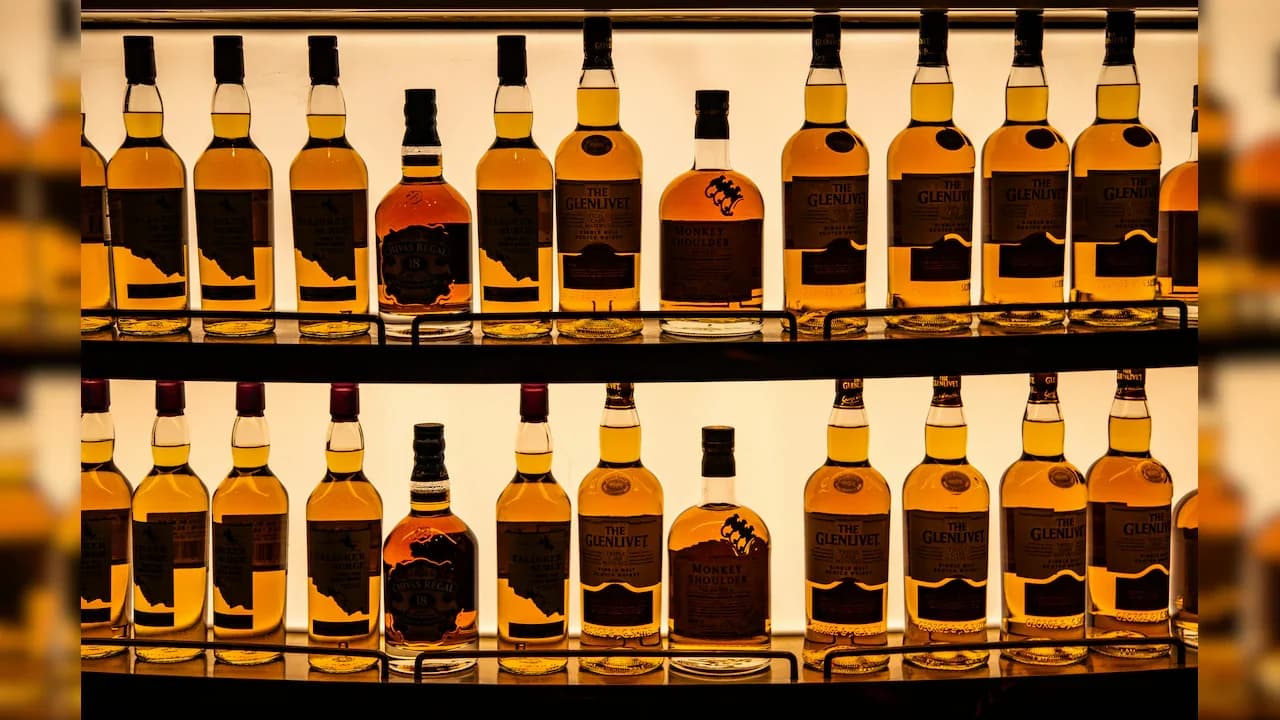
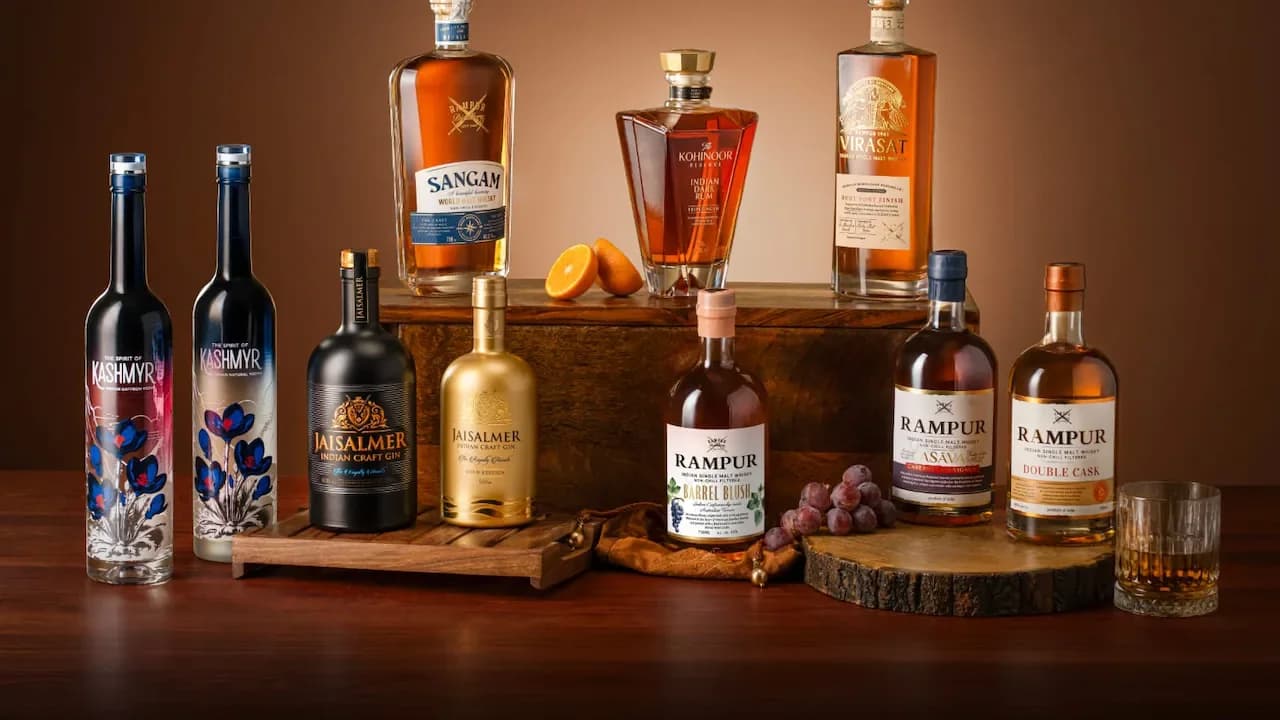
The Indian beer market is experiencing a significant premiumization shift, with premium beer accounting for 22% of the market, up from 20% last year, according to Vinod Giri, director general of the Brewers Association of India. Pan-India beer sales grew 17% year-on-year in the June quarter of fiscal year 2027 (FY27), marking the strongest growth in five quarters, compared with 11% in the previous quarter. This momentum is expected to continue, with volumes estimated to reach 41-42 million hectolitres, or about 530 million cases. United Breweries Ltd (UBL), maker of Kingfisher, expects its premium portfolio to grow 20-25% annually over the next three to five years, significantly ahead of overall beer-market growth. The shift is extending beyond the largest players, as the economics of a market long dominated by mass-market and strong beers begin to change, with Kati Patang's premium portfolio growing more than 50% in volume between Q4FY26 and Q1FY27. According to IWSR data cited by the Brewers Association of India, premium beer volumes have grown at an estimated 30% annual rate, more than twice the pace of the overall beer market, with its share of total sales rising from 12% in 2021 to 20% in 2025 and 22% in 2026.
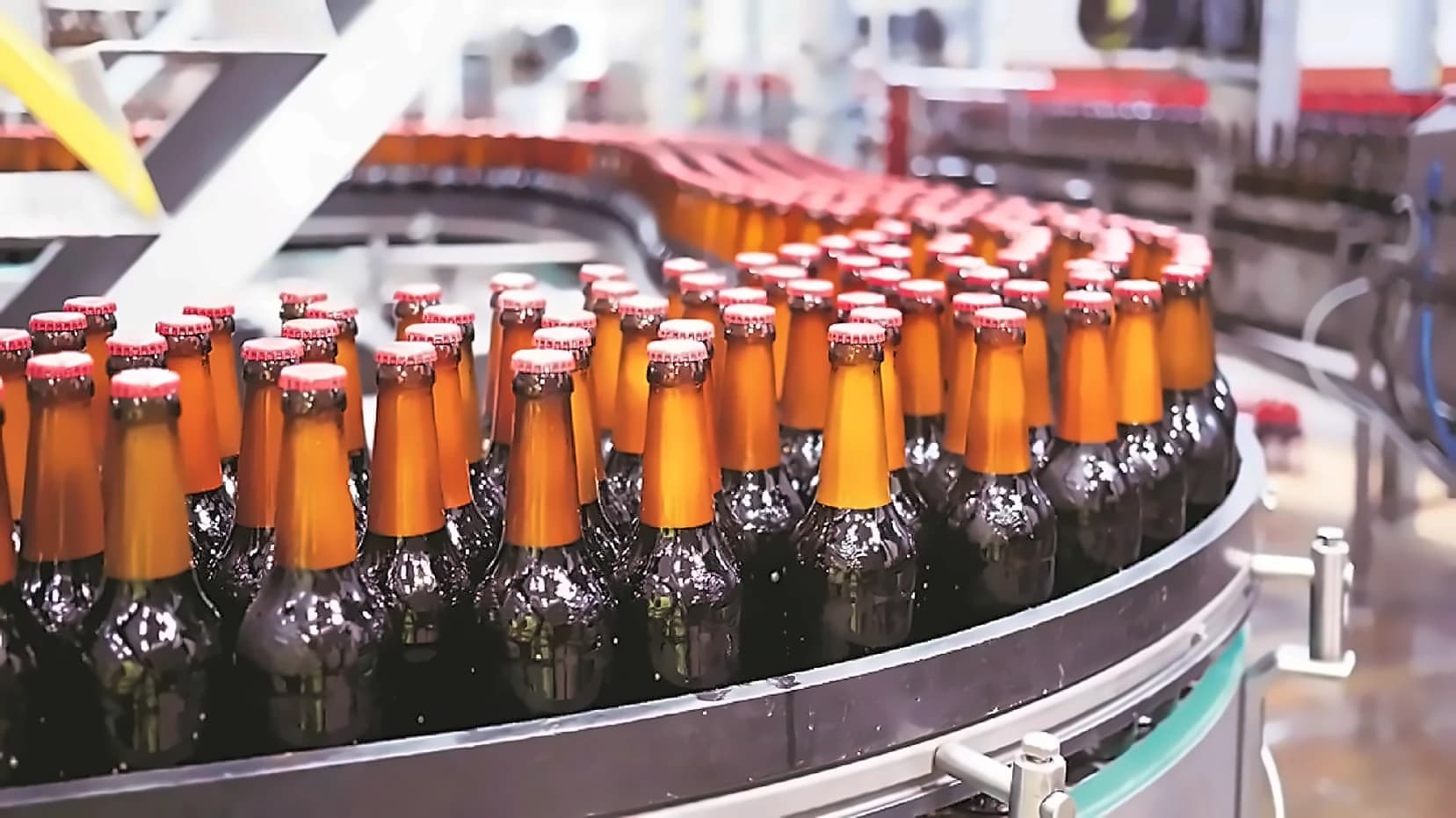
According to reports from Business Standard, United Breweries Limited has devised a medium-term plan to achieve double-digit revenue growth to address current performance challenges. The company has also guided a low-teen operating profit margin, compared with the high single-digit level currently at 9.2 per cent in the first quarter of FY27. The gains are expected to come from a combination of portfolio mix, state mix, and productivity initiatives. The shift to premium beer is becoming central to brewers' growth plans, with Anheuser-Busch InBev expecting premium and super-premium brands to contribute about 75% of its India business within three to four years, up from 60% currently. Medusa Beverages expects premium products to account for 20% of its portfolio by the end of this year, compared with 11% last year, while Simba co-founder expects its portfolio to become an equal split between premium and non-premium products in the next three years.
As reported by Business Standard, the company has faced 6 per cent annual revenue growth over the past three years and 3 per cent volume growth, which analysts describe as underwhelming performance. However, the latest data shows beer sales rising 42% in Maharashtra and 35% in Karnataka in the June quarter, with Maharashtra expected to see growth moderate to 18-20% after September. The national growth numbers mask sharp differences across markets, with Andhra Pradesh recording 33% growth, while Madhya Pradesh declined 9%, Himachal Pradesh fell 8%, and Uttar Pradesh and Chandigarh saw 4% and 1% declines respectively. In Madhya Pradesh, BAI attributed the 9% decline to a 30-40% supply cut rather than weaker underlying demand. The weaker performance is attributed to increased reliance on contract brewers in structurally lower-profitability states and dependence on tie-up units for handling sudden volume surges. Despite faster volumes, cost pressures from glass bottles, aluminium cans, barley and logistics are pushing up costs, while government-controlled pricing in several states can delay payments and force companies to pass on discounts to consumers.
According to Anand Rathi Research analysis reported by Business Standard, gross margins have declined to sub-45 per cent levels from an average of 54 per cent between 2012-13 and 2021-22, restricting profitability to single digits. The company faces additional pressure from war-related cost inflation with an impact of ₹300-500 crore, though pricing and productivity initiatives have mitigated nearly half of this impact. Vinod Giri from the Brewers Association of India noted that cost pressures could weigh on margins, with some markets delivering volume growth that could nevertheless hurt the bottom line, creating what he described as 'healthy growth also has unhealthy patches'. Karnataka's shift to an alcohol-content-linked duty structure means lower-ABV beers face a lower tax burden than stronger beers, improving the economics of premium, lower-ABV products. For brewers, faster volumes do not automatically mean stronger profits, as glass bottles, aluminium cans, barley and logistics are pushing up costs, while government-controlled pricing in several states can delay payments and force companies to pass on discounts to consumers.
As reported by Business Standard, HDFC Securities maintains a 'reduce' rating with a target price of ₹1,325, citing competitive intensity and the stock's elevated valuation of 64x the five-year average forward price-to-earnings ratio. Anand Rathi Research has a 'buy' rating with a lower target price of ₹1,600, valuing it at 60x FY28 earnings compared with 65x previously, based on expectations of volume upswing and margin recovery. Despite the challenges, the stock continues to trade at around ₹1,255, reflecting market expectations for the company's structural growth story amid the broader premiumization trend. BAI told Mint that beer will see healthy growth this year, notwithstanding any drastic events, with industry-wide growth expected to hold at 13-14% for the full year assuming no unforeseen disruptions. The company aims to improve its operating profit margin from current single-digit levels to low-to-mid-teen levels through premiumisation, favourable state mix, localisation, and productivity initiatives.
According to Business Standard, analysts expect the company's revenue share from own breweries to expand with the commissioning of projects in Telangana, Maharashtra, and Uttar Pradesh. The company aims to improve its operating profit margin from current single-digit levels to low-to-mid-teen levels through premiumisation, favourable state mix, localisation, and productivity initiatives. Kati Patang's beers are priced 30-50% above peers and mainstream beers, focusing entirely on premium and craft beers, while Simba is expanding with products such as the recently launched Simba Wild. Medusa Beverages expects premium products to account for 20% of its portfolio by the end of this year, compared with 11% last year, with its portfolio currently at 30% premium. Brewers are also investing in canning capacity as premium demand rises, with cans growing faster than bottles in some states, aided by premiumization and affordability. The shift to premium beer is becoming central to brewers' growth plans, with Anheuser-Busch InBev expecting premium and super-premium brands to contribute about 75% of its India business within three to four years, up from 60% currently.