Tesla has commenced construction of the $10.1 billion Crystal Sun solar factory near Houston, Texas, with recent drone footage from Test Drive EVs confirming active site development. The company has started earthworks engineering on the roughly 3,000-acre site in Fort Bend County, with crews performing large clearings and active leveling across a substantial portion of the property. As reported by Teslarati, the site development includes equipment staging areas and the use of an existing homestead, indicating Tesla's systematic approach to facility preparation. Construction is expected to wrap up in 2028, with commercial production scheduled to begin in the first quarter of 2029.
The Crystal Sun project is projected to have significant economic benefits for Texas, with estimates suggesting it could add approximately $107 billion to Texas GDP and generate roughly $6.4 billion in state and local taxes. As reported by Manufacturing Dive, Tesla's state filing indicates the facility will create 9,712 full-time jobs. The plant will manufacture everything from silicon ingots to finished solar panels, representing a vertically integrated solar manufacturing facility that will make everything from silicon ingots and wafers to finished cells and panels. Local observers have confirmed that site preparation work, including land clearing and leveling, is already underway at the construction site.
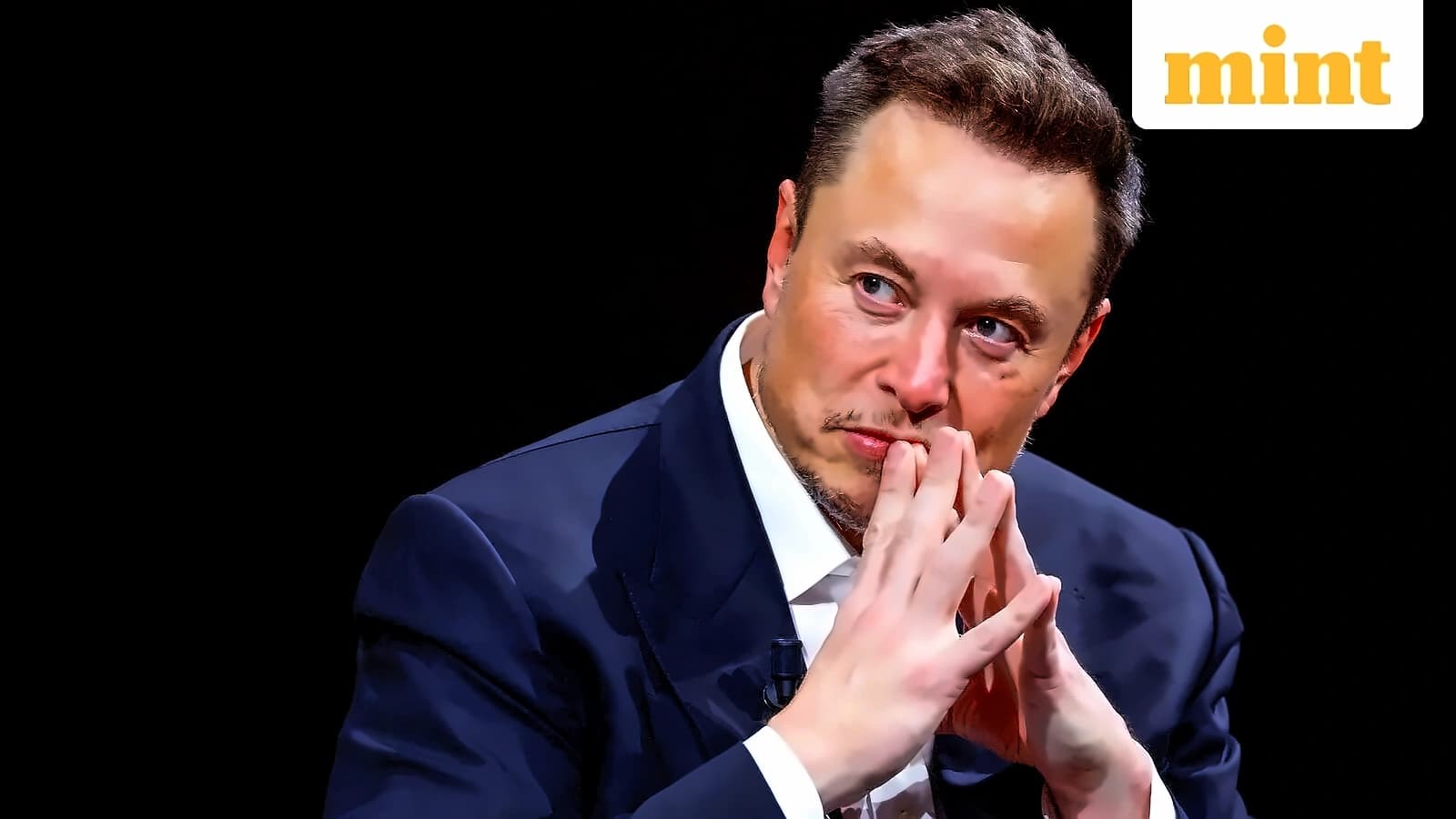
The Crystal Sun project follows Tesla's announcement of the Terafab AI chip project in Austin, with CEO Elon Musk sharing the construction update on X under the project's name. According to reports from pv magazine USA, Musk argued at Davos that energy, not chips, is becoming the bottleneck for AI, singling out solar as the scalable solution. Business Insider reported that Musk has increasingly focused on solar to power Tesla's AI and robotics ventures, with Tesla's Q3 2026 call indicating the company will install manufacturing capacity for solar alongside expanding Optimus production and building a semiconductor fab. The project aligns with Tesla's broader strategy to control both computing and power supply chains, potentially reducing dependence on Chinese solar cell manufacturers.
Tesla plans to operate Crystal Sun lines for ingots, wafers, coating, metallization, and cell testing at the facility. As reported by Manufacturing Dive, Musk has previously floated a goal of 100 gigawatts of US solar cell output per year, suggesting Crystal Sun may represent only the first step in Tesla's solar manufacturing ambitions. The facility represents a major commitment to domestic solar manufacturing, with the 3,000-acre site providing substantial space for the vertically integrated operations. The project's scale and scope position it as a cornerstone of Tesla's strategy to control critical energy infrastructure components, with the company's energy business driven mainly by batteries rather than solar panels.