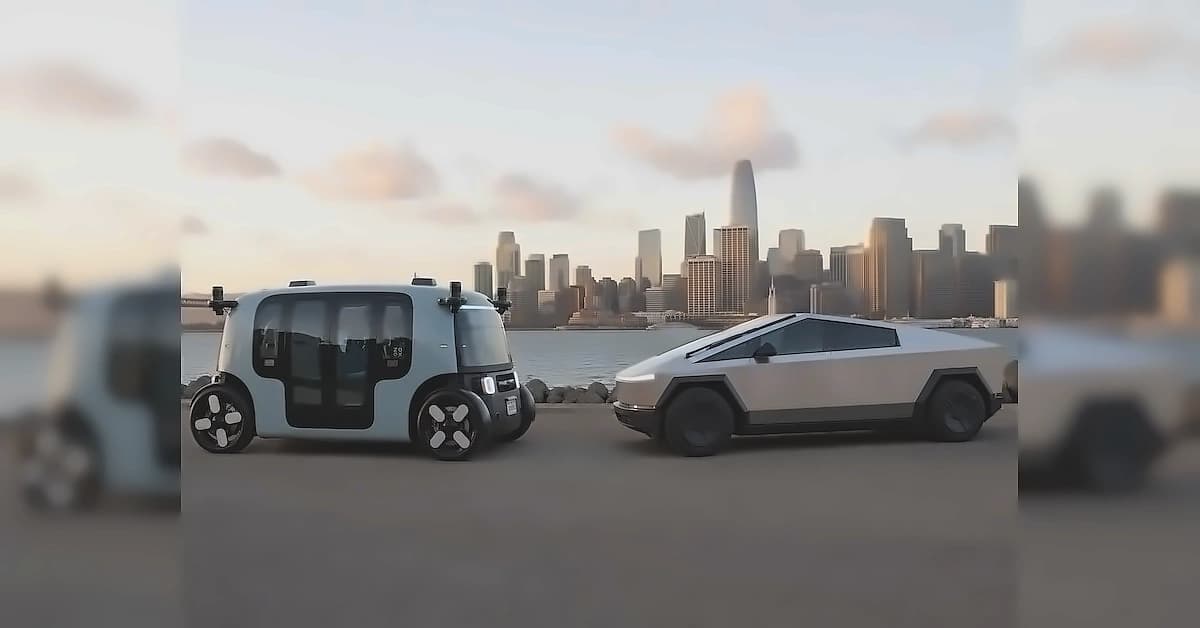
Tesla's robotaxi operations have expanded to 7 major metropolitan areas in the United States, marking significant progress from the modest initial rollout in Texas and Florida. According to recent reports, Austin continues to expand its driverless operation zones while Dallas and Houston are rolling out related operations, with Miami, Orlando, and Tampa launching driverless services in July. The San Francisco Bay Area still retains safety drivers, and Phoenix and Las Vegas are in the pre-launch preparation phase. The Cybercab, purpose-built for Robotaxi, has entered production at the Texas Gigafactory with an installed annual capacity of over 125,000 units, while the mass-production version began public road engineering testing in Q2 and launched ride-hailing services for employees within the Texas Gigafactory campus in July.
Musk emphasized the critical importance of safety in Tesla's robotaxi development, stating that any injury caused by Tesla's robotaxi will lead to regulators immediately clamping down on its business. As reported by The Economic Times, he noted that there are up to 40,000 automotive deaths per year in the United States alone, most of which do not generate media attention. "But if we injure even one person, it will be worldwide headline news," Musk explained, adding that the company doesn't wish to harm anyone and wants to go as fast as possible with Robotaxi while ensuring no harm to anyone at all. According to Devdiscourse, Tesla VP of Vehicle Engineering Lars Moravy confirmed that the current strategic approach prioritizes regulatory compliance across diverse city requirements while focusing on gradual city-by-city expansion.
Tesla's Q2 revenue reached $28.236 billion (approximately 1.912 trillion yuan), up 26% year-on-year, with automotive business revenue hitting $20.516 billion (roughly 1.389 trillion yuan), marking a 23% year-on-year increase. However, operating profit plummeted 57% year-on-year to $398 million (about 2.7 billion yuan), with operating margin falling to 1.4% from 4.1% in the same period last year. The company's gross profit was $4.751 billion (approximately 322 billion yuan), up 23% year-on-year, but consolidated gross margin declined to 16.8% from 17.2% in the previous year. Despite the profit decline, Tesla recognized an unrealized gain of $1.005 billion (approximately 68 billion yuan) from its equity investment in SpaceX, which supported GAAP net profit. The automotive business produced 451,800 vehicles and delivered 480,100 vehicles in Q2, marking an all-time high for the same period.
Tesla's FSD paid users reached 1.48 million by the end of Q2, up 56% year-on-year and an increase of 200,000 from Q1, with roughly 380,000 new users added in H1 2026 alone. The company has started rolling out FSD v14 lite to vehicles equipped with AI3 (HW3) hardware, distilling the driving behaviors of the v14 series on AI4 vehicles to the previous-generation hardware platform. FSD has become another growth driver, with Tesla noting that market demand will rise further as FSD continues to obtain regulatory approvals from various countries. The Model 3/Y remains the sales pillar, with 442,900 units produced and 467,800 units delivered in Q2, up 12% and 25% year-on-year respectively, accounting for approximately 97.4% of total deliveries. Other models, including the Cybertruck, saw 8,822 units produced, down 34% year-on-year, while 12,400 units were delivered, up 19% year-on-year.
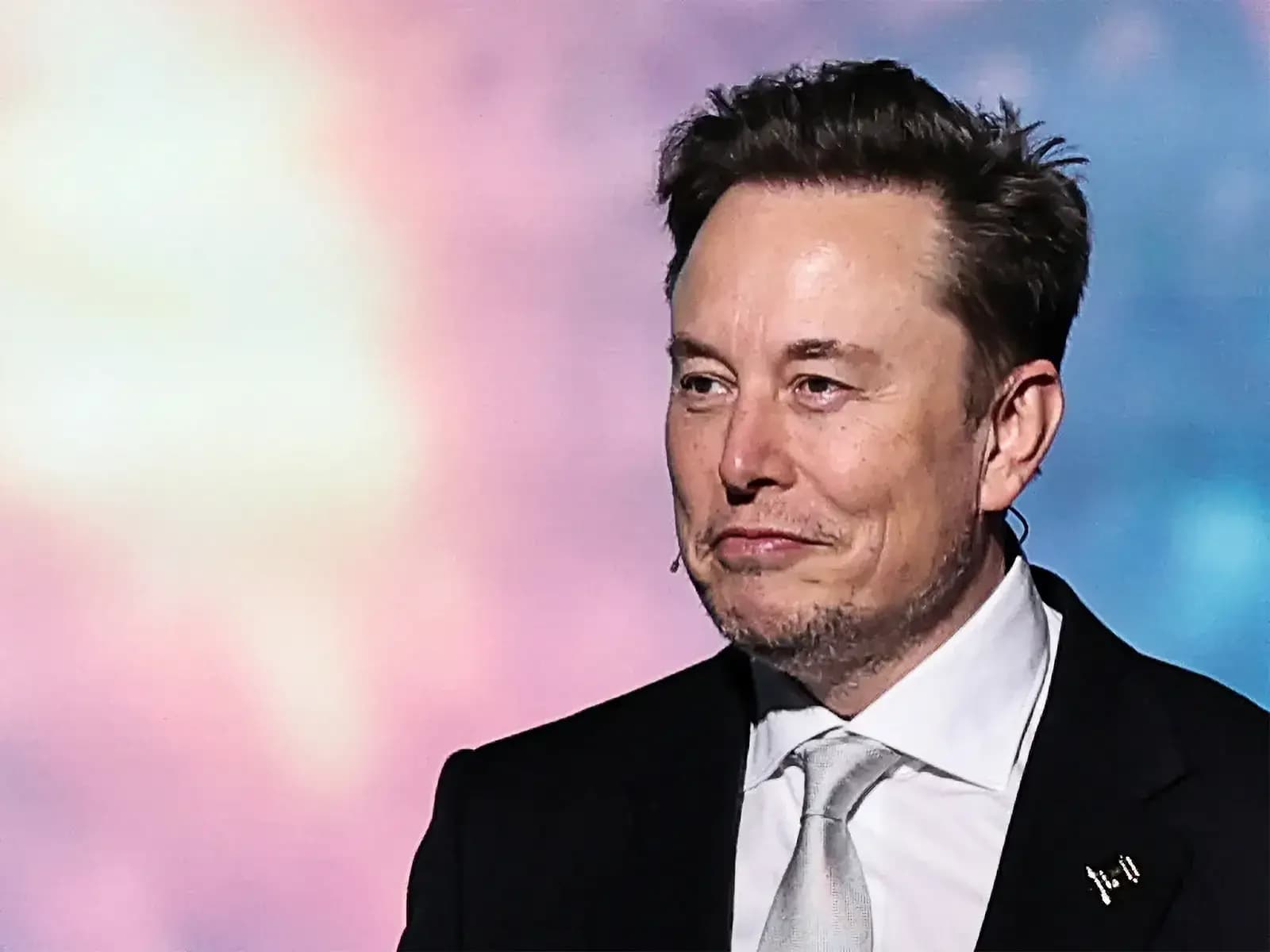
Elon Musk plans to spend more than $25 billion this year, which is almost triple what it spent last year, as he bets on Tesla's AI-powered self-driving technology, robotaxis and humanoid robots over its core revenue generator, the auto business. According to The Economic Times, this significant increase in AI spending reflects Tesla's strategic pivot toward autonomous vehicles and robotics, with Musk concluding that the Tesla team is excited about its autonomy and robotics roadmap with "awesome stuff" lined up for launch. However, the current robotaxi delays highlight the challenges of balancing rapid growth with safety considerations and regulatory compliance across diverse city requirements. The company's Q2 earnings failed to meet profit estimates for the first time in more than two years, with the company reporting a negative free cash flow as it accelerated AI spending and robotics ambitions.