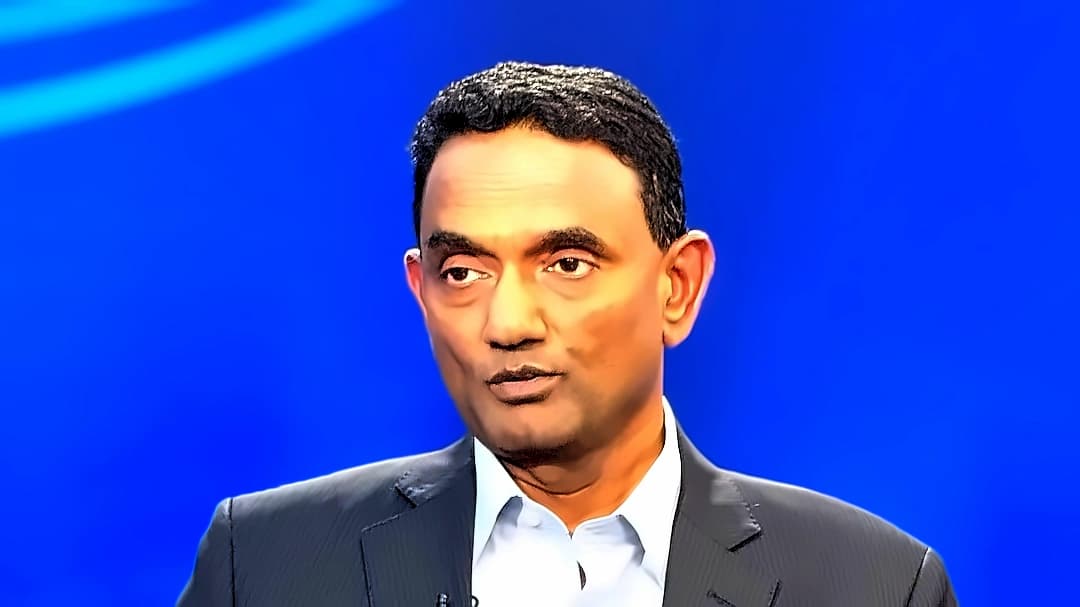
Krithivasan's total remuneration increased by 6.3% to ₹28.1 crore for FY26, up from ₹26.52 crore in the previous financial year, according to the company's latest annual report. The CEO's salary component rose to ₹1.67 crore from ₹1.39 crore, while he earned ₹1.43 crore in benefits, perquisites, and allowances, and ₹25 crore in commission. His pay ratio to median employee remuneration stands at 332.8, as per the annual report. The CEO's salary ratio to median remuneration of rest of the company was 332.8, as per the report.
The CEO's pay increase aligns closely with TCS's broader employee compensation strategy. Average annual increases for junior and mid-level employees ranged from 4.5-7%, with top performers receiving double-digit increments in India. However, total increases for employees after accounting for promotions and event-based compensation revisions were 5-8%. Junior and mid-level employees outside India received wage increases between 1-6%. The median employee remuneration increased by 5.1% during FY26, with TCS employing 584,519 people as of March. The increase in remuneration is in line with the market trends in the respective countries, with variable pay linked to organisation performance and individual utilisation in addition to individual performance metrics.
Chief Operating Officer Aarthi Subramanian earned ₹18.33 crore in total remuneration, comprising ₹1.5 crore base salary, ₹1.83 crore in benefits and allowances, and ₹15 crore in commission. According to the company's annual report, the remuneration increases are aligned with market trends in respective countries and linked to organisational performance, individual utilisation, and individual performance metrics. The remuneration increases are in line with the market trends in the respective countries, with variable pay linked to organisation performance and individual utilisation in addition to individual performance.
In his shareholder letter, Krithivasan described the current environment as an 'increasingly complex macro-economic and geo-political environment'. He noted that FY26 marked an inflection point for enterprise artificial intelligence, with customers moving from pilots to scaled deployments for the first time since GenAI emerged in 2023. Chairman N Chandrasekaran highlighted that while the fiscal year began with expectations of steady global growth, the West Asia crisis has brought concerns about stagflation - falling output coupled with rising inflation.
TCS delivered strong financial results for FY26, with profit after tax increasing 1.35% to ₹49,210 crore compared to ₹48,553 crore in FY25. The company reported a 12.22% jump in Q4 net profit to ₹13,718 crore. Revenue from operations grew 9.64% to ₹70,698 crore in Q4 FY26, while full fiscal year revenue increased 4.58% to ₹2.67 lakh crore. As per the latest reports, Tata Group Chairman N Chandrasekaran abstained from receiving any commission from TCS, drawing only ₹4.2 lakh in sitting fees for the entire fiscal year. The company disclosed ₹1,388 crore in restructuring expenses as part of a "future-ready" organisational transformation and reskilling programme.