Former Tata Trusts trustee Mehli Mistry has mounted a strong legal challenge to Tata Trusts' decision to amend the 103-year-old Bai Hirabai Trust deed, calling it an admission of the deed's clarity. According to The Hindu BusinessLine, Mistry stated that the legal success for such an amendment appeared remote, as the 1923 deed unambiguously restricts trustees to 'practising Zoroastrians residing in Mumbai or Navsari'. The statement emphasized that 'Tata Trusts' decision to seek alteration of the eligibility clauses of the 1923 Bai Hirabai trust deed is, in itself, an acknowledgment that the deed clearly and unambiguously restricts trusteeship to practising Zoroastrians residing in Mumbai or Navsari. The plain language of the deed admits of no alternative interpretation.'
The current tensions began when Tata Trusts removed one of its own nominees, Vijay Singh, from the board of Tata Sons in September 2025. As reported by Mint, Tata Trusts, which owns 65.9% of Tata Sons, can nominate up to three directors to the company's board. Following Singh's removal, chairman Noel Tata and vice-chairman Venu Srinivasan now serve as the two Tata Trusts nominees on the six-member board of Tata Sons. In October, Noel Tata, Singh, and Srinivasan voted against the re-appointment of Mehli Mistry as a trustee of Tata Trusts, despite a previous agreement in October 2024 that all trustees would be granted permanent status.
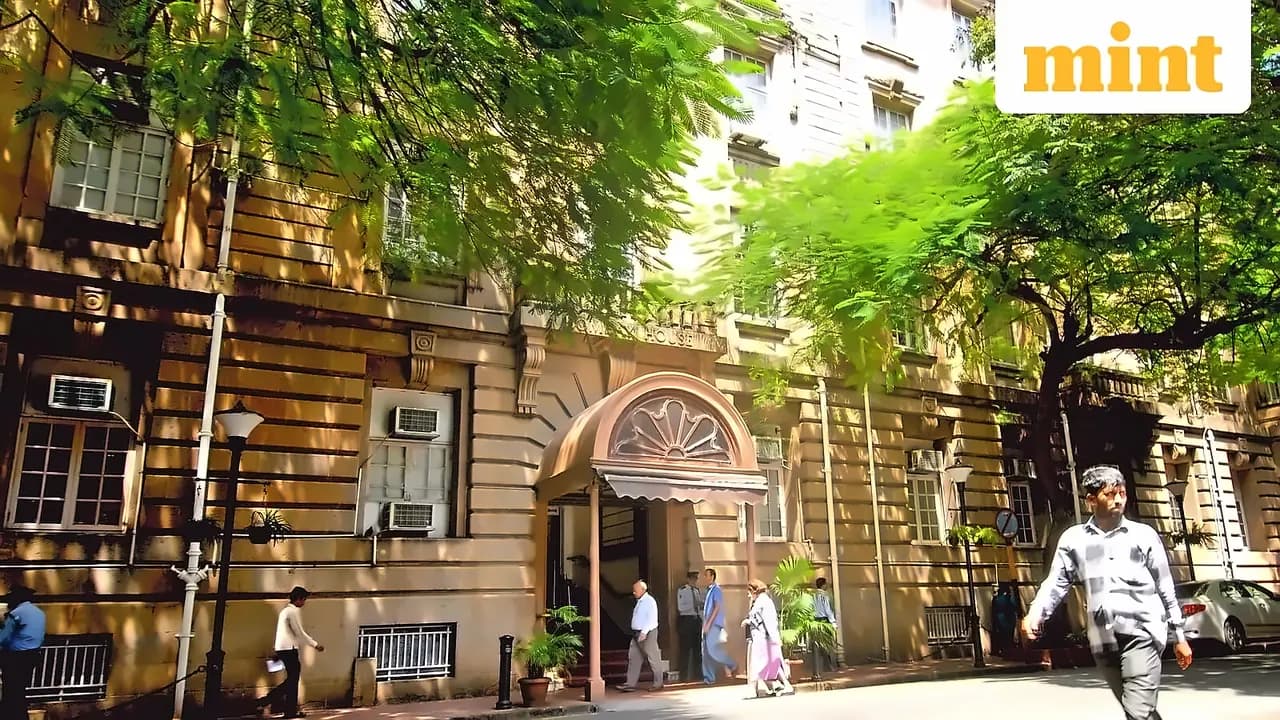
Mistry has also challenged the legitimacy of the current board composition, stating that it violates the deed's terms by being 'composed of non-practising or non-Zoroastrian' individuals. According to The Hindu BusinessLine, Mistry demanded 'reconstitution strictly in compliance with its provisions' of the trust deed. The statement emphasized that 'failure or reluctance to furnish such basic documentation gives rise to serious concerns and warrants appropriate scrutiny.' Mistry has argued that trustees need only produce Aadhaar cards and sworn affidavits attesting to their practising Zoroastrian status in Mumbai or Navsari for verification purposes.
The Bai Hirabai Jamsetji Tata Navsari Charitable Institution was created under a 1916 codicil to the will of Sir Ratanji Tata, who died in 1918. As reported by Moneycontrol, Tata Trusts stated that the codicil did not provide for any restrictions in respect of trustees on grounds of ethnicity, race or religion. However, Mistry has reportedly said that any attempt to amend a trust deed that is more than 103 years old was unlikely to succeed in law. The move to alter the trust deed was an acknowledgement that the trusteeship was restricted to practising Zoroastrians residing in Mumbai or Navsari. Mistry's latest challenge suggests that the amendment process will require an application to the Maharashtra Charity Commissioner, involving hearings for all stakeholders, with any order passing only applying prospectively, not retrospectively.
The Reserve Bank of India updated its regulations earlier this month, stating that core investment companies (CICs) with assets exceeding ₹1 trillion will now be classified as 'upper-layer' entities. According to Mint, with assets totaling ₹1.75 trillion on a standalone basis as of March 2025, Tata Sons qualifies as an upper-layer CIC. This classification could legally mandate a public listing, though a definitive timeline for such an IPO has not yet been established. In July last year, all trustees had decided that Tata Sons would remain private, but this month saw at least two trustees, Venu Srinivasan and Vijay Singh, making U-turns in media interviews, advocating that Tata Sons be listed.