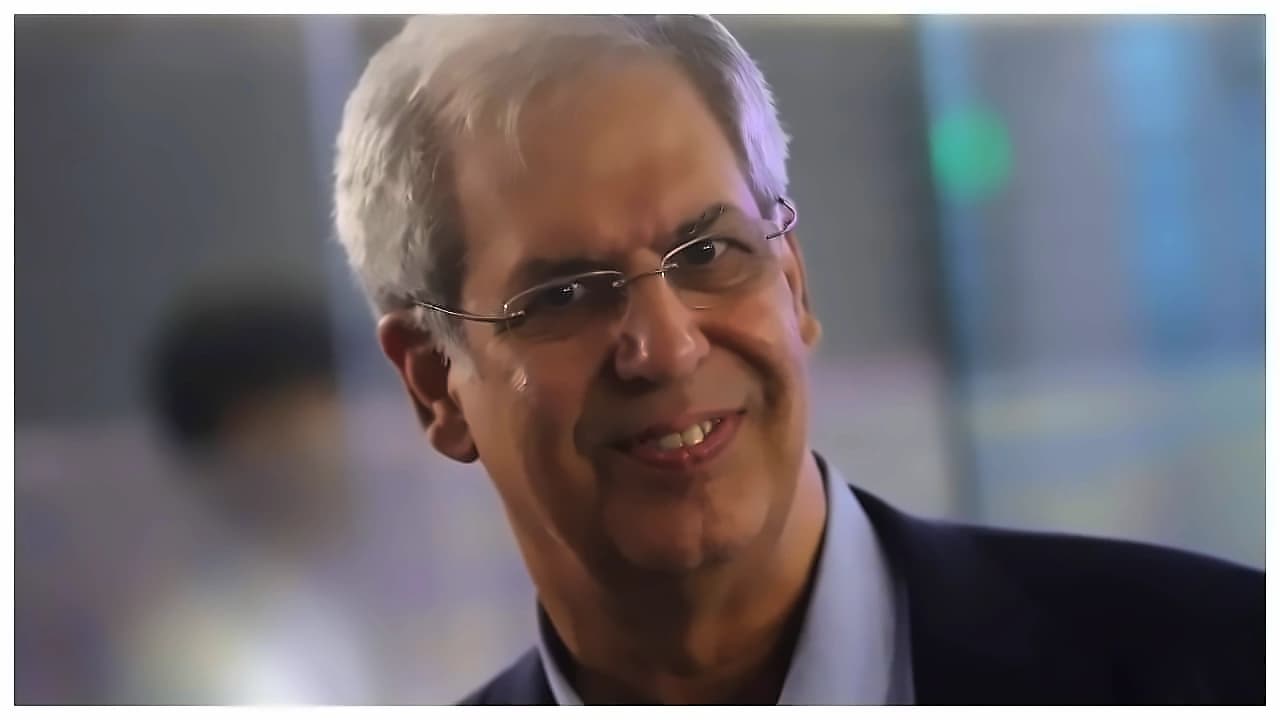
The Tata Sons board approved N. Chandrasekaran's reappointment as executive chairman for five years on September 17, reversing his earlier decision not to seek another term. According to The Times of India, the Nomination and Remuneration Committee met on September 3 to consider his decision, with the NRC unanimously urging him to reconsider and recommending his reappointment. At the meeting, Chandrasekaran agreed to reconsider his decision, and the board then approved his reappointment by majority vote. However, Tata Trusts chairman Noel N Tata voted against the reappointment, arguing that the appointment requires majority of Tata Trusts' nominee directors to vote in favour. The Trusts maintained that Chandrasekaran's August 12 decision not to seek another term had 'attained finality' and advised Tata Sons to begin selecting his successor. Another Tata Trusts nominee, Venu Srinivasan, voted in favour of the plan, creating a split within the Trusts' representation on the board. Four directors voted in favour of the resolution, as reported by The Economic Times, with the Trusts characterizing the reappointment as a 'legal nullity' and calling it illegal under provisions in the Articles of Association.
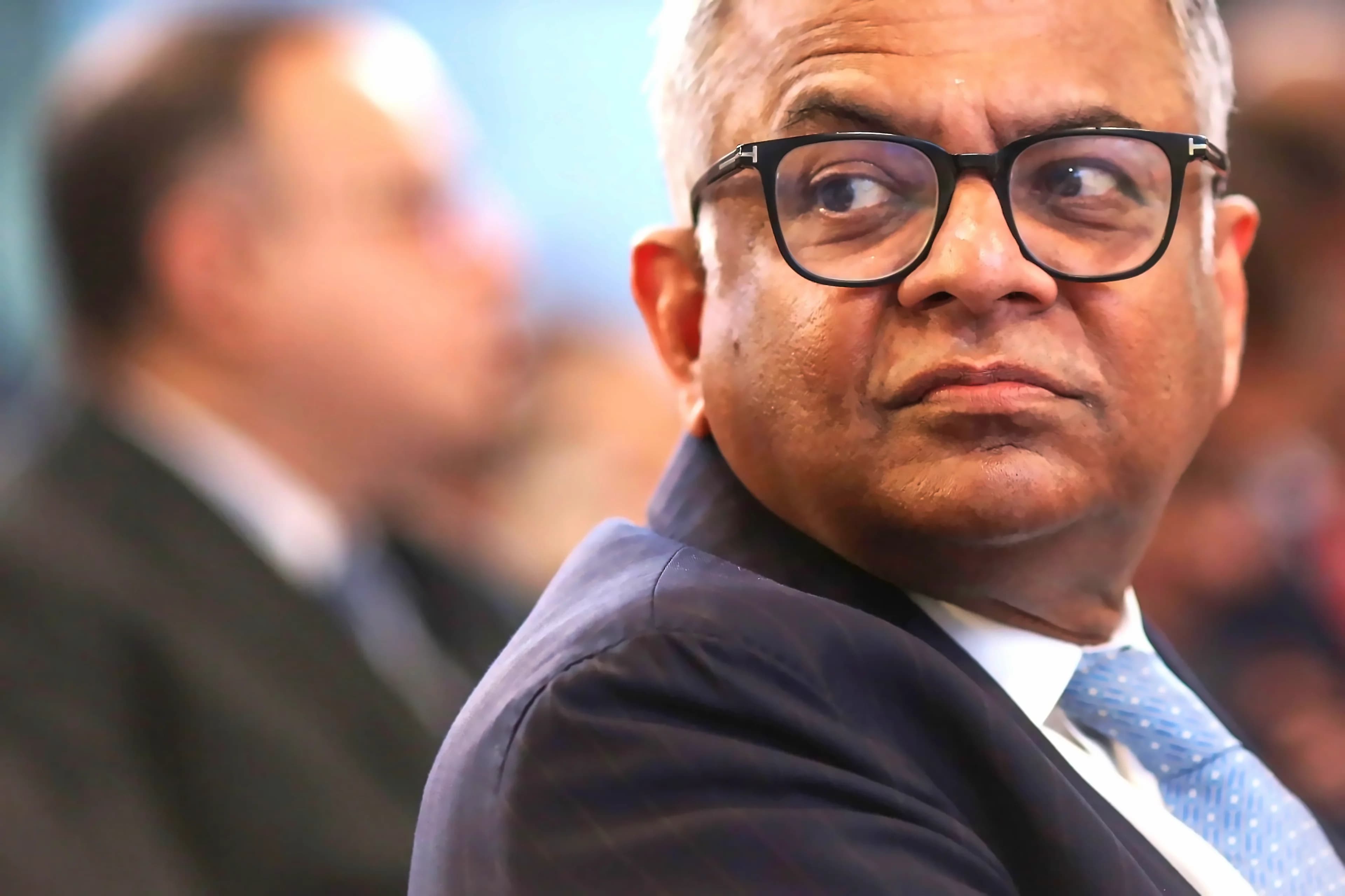
The board's decision faces significant shareholder approval hurdles, with Tata Trusts controlling 65.9% of Tata Sons through 14 philanthropic entities, while the Shapoorji Pallonji family owns 18.38% and nine Tata Group companies hold 12.86%. According to Institutional Investor Advisory Services, Noel Tata's 1% individual shareholding, combined with the SDTT bloc's 37.91%, brings the total opposition to 38.28% of voting shareholders. The SRTT bloc owns 27.39% but cannot vote due to a Maharashtra Charity Commissioner order prohibiting SRTT from undertaking any business after exceeding permanent trustee limits. Chandrasekaran's reappointment requires approval from half of voting shareholders, equivalent to 36.31% of total shareholders, meaning even if all non-trustee shareholders vote together, they cannot override the controlling shareholders' opposition. The ministry of corporate affairs has given Tata Sons a three-month extension until November 18 to hold a shareholder meeting, creating urgency for resolution.
The Tata group's listed companies added ₹20,286 crore in market value following the announcement of Natarajan Chandrasekaran's five-year extension as executive chairman of Tata Sons. According to reports from Business Standard, the market welcomed Chandrasekaran's continuation, providing relief after previous concerns about leadership stability. The positive reaction was broad-based across Tata group companies, with Tata Chemicals shares soaring 6.5% to ₹831, Tata Investment Corporation gaining 5.5% to ₹720, Tata Motors Passenger Vehicles rising 4.5%, and Tata Steel advancing 2.8%. Indian Hotels and Tata Power climbed around 2% higher, while other group companies including Tata Elxsi, Tata Tech, and Tata Steel also recorded sharp gains. The rally was backed by heavy volume with average trading volume jumping over three-fold, with a combined 9.73 million shares changing hands on NSE and BSE.
The board's decision comes as Tata Sons faces renewed pressure from the Reserve Bank of India to comply with listing requirements applicable to an Upper Layer NBFC. The RBI rejected the company's application to surrender its Certificate of Registration and exit shadow banking regulations after Tata Sons' total assets crossed the threshold for classification. In a letter dated September 11, 2026, the RBI said that Tata Sons' application to be exempted from the core investment company category had been rejected, making public listing mandatory for the company. The central bank has directed the company to comply with Upper Layer NBFC rules, which require public listing. Tata Sons had sought to avoid a listing by surrendering its registration as a core investment company, but the RBI's rejection forced the company to initiate compliance steps. The board has resolved to seek guidance from the RBI, Tata Trusts, and other stakeholders on compliance requirements. The board has also agreed to move ahead with the process of listing of Tata Sons, as reported by The Indian Express, addressing one of the biggest sources of conflict between Tata Trusts and the Shapoorji Pallonji Group.
The extension provides stability amid ongoing strategic considerations for the group's future direction, with Tata Trusts controlling about 66% of the holding company through the Sir Ratan Tata Trust and Sir Dorabji Tata Trust, while the Shapoorji Pallonji Group holds 18.37%. According to Geojit Investments, the continuation of Chandrasekaran suggests relief for both groups - Tata and Shapoorji Pallonji - with a plan to proceed with the future listing of Tata Sons, leading to unlocking of value for shareholders. However, the boost could be short-lived, especially for the Tata group, if the differences continue to delay the future growth and smooth working of the group in the medium to long term, as noted by Vinod Nair. The listing question has brought board voting provisions into sharper focus, with certain matters requiring majority of Tata Trusts-nominated directors' affirmative vote. For his five-year reappointment, Chandrasekaran must now go through the shareholders' process at the Tata Sons annual general meeting, with the big shareholding of Tata Trusts implying that the shareholders' process will be very closely observed. Institutional Investor Advisory Services criticized the board's decision as violating shareholder supremacy, stating that the mutiny against the controlling shareholder sets a poor precedent for corporate India.