Naveen Jindal, Chairman and MP of Jindal Steel, stated that India's domestic steel market is sufficiently large to sustain the steel industry without relying on US exports. Speaking at the 53rd National Management Convention 2026, Jindal emphasized that the US tariff hike would have limited impact on Indian steel producers. According to reports from ANI, Jindal noted that Indian steel products have already been facing high tariffs in the US market for several years, with some products subject to more than 200 per cent tariff for more than a decade. He explained that even with 50 per cent tariffs, India was not exporting steel to the US, highlighting that India is a very big market in itself and we can do without USA. The remarks come as the US continues to impose an additional 50% tariff on most imported steel products under Section 232 of the Trade Expansion Act.
Jindal highlighted significant growth opportunities in India's steel sector driven by low per-capita consumption and infrastructure development. As reported by ANI, he noted that steel per capita consumption is still quite low at 107 kg per person per annum compared to the world average of more than 220 kg. According to the Ministry of Steel's August 2026 press release, India's finished steel consumption rose 7.9 per cent YoY to 56 million tonnes during April-July 2026, while crude steel production stood at 56.2 million tonnes. The Ministry's National Steel Policy 2017 envisages crude steel production capacity of 300 million tonnes and actual production of 255 million tonnes by 2030-31. Jindal emphasized that "there's a huge scope to grow" given India's relatively low consumption levels compared to global averages.
Jindal revealed that Tata Steel's community development approach has significantly influenced his group's social responsibility initiatives. Speaking at AIMA's 53rd National Management Convention, Jindal explained that "Any business that is run well is very good for the economy, and when you're doing well in business, you have to do something for the society." He specifically pointed to Tata Steel's model of building hospitals and schools around its plants, stating that "wherever they had plants, they had hospitals, they had schools, and it is a must." Jindal noted his admiration for T V Narendran, Tata Steel's CEO and managing director, who was among the speakers at the convention. His group subsequently established educational institutions including a university in Raigarh, Chhattisgarh, and another in Sonipat, Haryana, with the aim of creating institutions that could have lasting impact. As reported by ANI, Jindal explained that "I studied in University of Texas at Dallas. So I always wanted that you know the kind of environment a U.S. university offers. You know we must have similar institutions here."
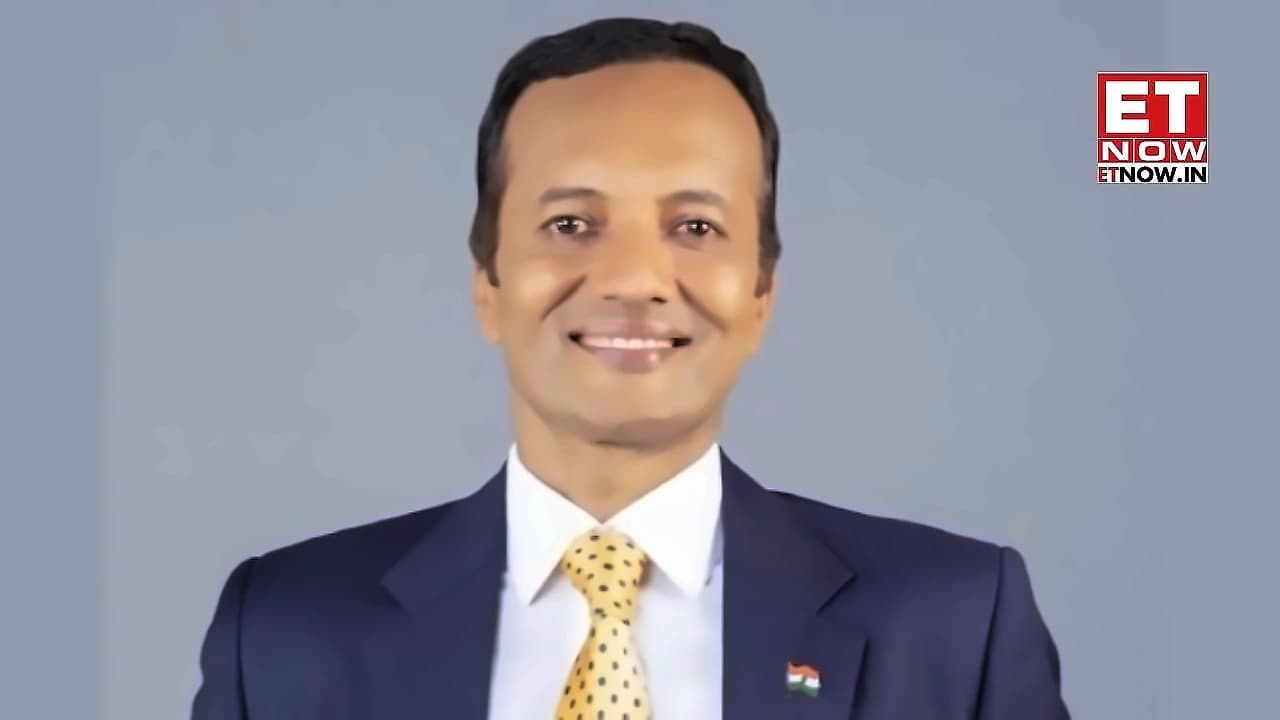
Regarding the European Union's Carbon Border Adjustment Mechanism (CBAM), Jindal acknowledged that Indian companies must comply with applicable European market rules. According to ANI reports, he explained that if the EU puts conditions on their own producers, they will put these conditions on imports also, so they cannot disadvantage their own industry. Jindal also highlighted the importance of reducing India's dependence on imported natural gas through greater use of domestic coal gasification. As reported by the Ministry of Coal's July 2026 press release, around 22.6 million tonnes per annum of coal gasification capacity was operational or under implementation in India, including about 8 million tonnes per annum of operational capacity at Jindal Steel Limited. He noted that "a lot of natural gas is required by many industries and so we worked on coal gasification and that's why government is also encouraging gasification of domestic coal."
On environmental sustainability, Jindal emphasized that steelmakers are actively working towards reducing emissions as part of their corporate responsibility. According to ANI reports, he stated that "every steel maker is working on reducing their emissions and we all feel it's our duty to do that and everybody is working on achieving that". This commitment aligns with broader industry efforts to address environmental concerns while maintaining production capacity. The focus on green steel initiatives reflects the industry's recognition of environmental responsibilities alongside production goals.