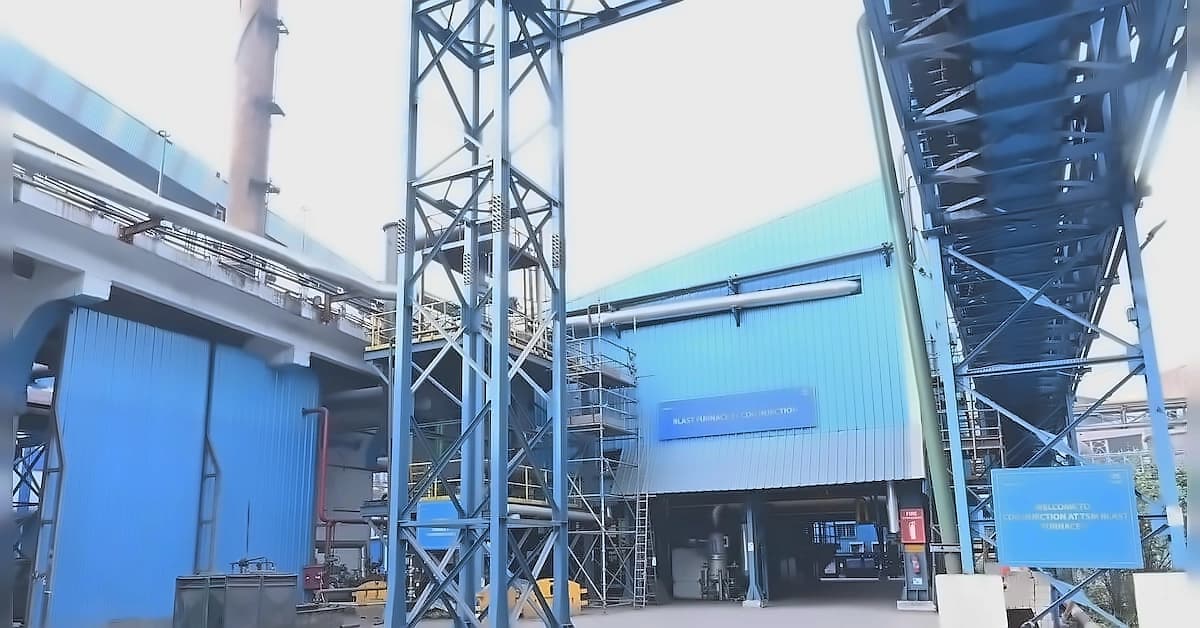
Tata Steel has announced a strategic partnership with Houston-based Utility Global to develop India's first industrial H2Gen project at its Kalinganagar facility in Odisha. According to the latest announcement, this marks the first such initiative in India to produce hydrogen using steel plant off-gases. The collaboration will involve joint Front-End Engineering and Design (FEED) studies to support a Final Investment Decision (FID) by Tata Steel's board on the proposed project. As reported by Business Standard, this project will be Utility's largest industrial H2Gen deployment to date announced globally, representing a significant milestone for both companies in the Indian market.
The proposed facility will be based on Utility Global's H2Gen technology and is planned to have a capacity of 10 tonnes per day (TPD). The project will utilize a mix of blast furnace gas and basic oxygen furnace gas (BOF gas) to produce high-purity hydrogen from water. Utility Global has developed an electrochemical process to produce high-purity hydrogen using carbon monoxide-rich gases generated at steel plants, with the technology previously demonstrated using actual blast furnace gas at a steel producer's facility in Canada. The generated hydrogen is intended to be injected back into the blast furnace, offering a pathway to decarbonize hard-to-abate industrial assets while preserving existing infrastructure. The residual energy contained in steel plant off-gases will be tapped to generate hydrogen from water without using electricity, providing a potential pathway to reduce the carbon footprint of steelmaking without requiring a complete overhaul of existing plant infrastructure.
Subodh Pandey, Vice-President (Technology, R&D, New Materials Business and Graphene) of Tata Steel, emphasized the strategic importance of the initiative. According to Business Standard, Pandey stated that for meaningful contribution to steel decarbonisation, technologies need to work at the scale and complexity of operating steel plants. He noted that H2Gen provides opportunities to pursue emissions reduction while leveraging existing infrastructure, marking another pivotal milestone in Tata Steel's journey towards deeper operational decarbonisation. Parker Meeks, Chief Executive Officer of Utility Global, stated that the planned project would be the company's largest commercial H2Gen® deployment announced globally and would place it alongside one of India's major steel producers in the world's fastest-growing steel market. Meeks noted that the technology has been designed to create value by extending the economic life of industrial assets, with solutions that integrate into existing infrastructure and processes to provide an economic pathway to decarbonisation while preserving industrial competitiveness.
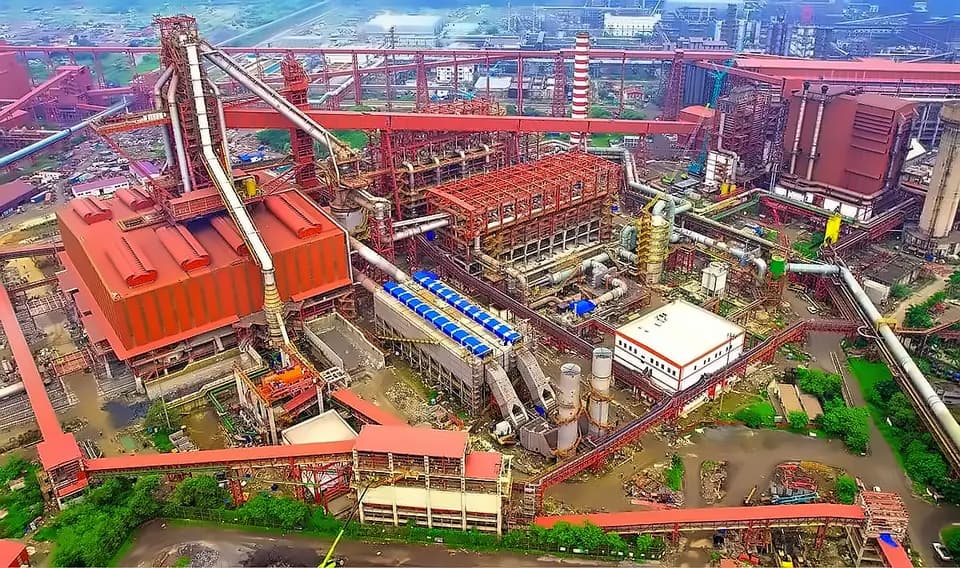
The collaboration will involve FEED studies, followed by installation and operation of the plant at Kalinganagar, subject to successful FID approval. As reported by Business Standard, this initiative is part of Tata Steel's broader portfolio of low-carbon steelmaking projects and supports its commitment to achieving net-zero emissions by 2045. The project represents a significant step forward in India's steel industry's transition toward sustainable manufacturing practices, with India representing the fastest-growing steelmaking market globally and holding the largest number of operating blast furnaces outside China. Utility Global's technology also generates a separate, concentrated carbon dioxide stream, which could lower the cost and complexity of carbon capture. The proposed deployment will demonstrate the technology's application at the scale and operational complexity of an integrated steel plant. The studies with Utility Global will support a final investment decision by Tata Steel's board, following which the project could move to installation and operational stages.
The proposed hydrogen project comes against the backdrop of Tata Steel's substantial investment in expanding and modernising its Kalinganagar operations. The company has completed its Phase II expansion involving an investment of around ₹27,000 crore, which raised the plant's crude steel capacity from 3 million tonnes per annum (mtpa) to 8 mtpa. In September, Tata Steel, which is among the top global steel companies with an annual crude steel capacity of 36 million tonnes per annum, had commissioned a coke oven gas injection project at its Meramandali plant in Odisha, which the company described as a first-of-its-kind initiative in the Indian steel industry. The proposed project is part of Tata Steel's wider programme to reduce emissions across its steelmaking operations, as the company targets net-zero emissions by 2045. Tata Steel has previously demonstrated coal-bed methane, hydrogen and biochar injection into blast furnaces and commissioned India's first blast furnace-gas-based carbon capture plant at Jamshedpur in 2021.