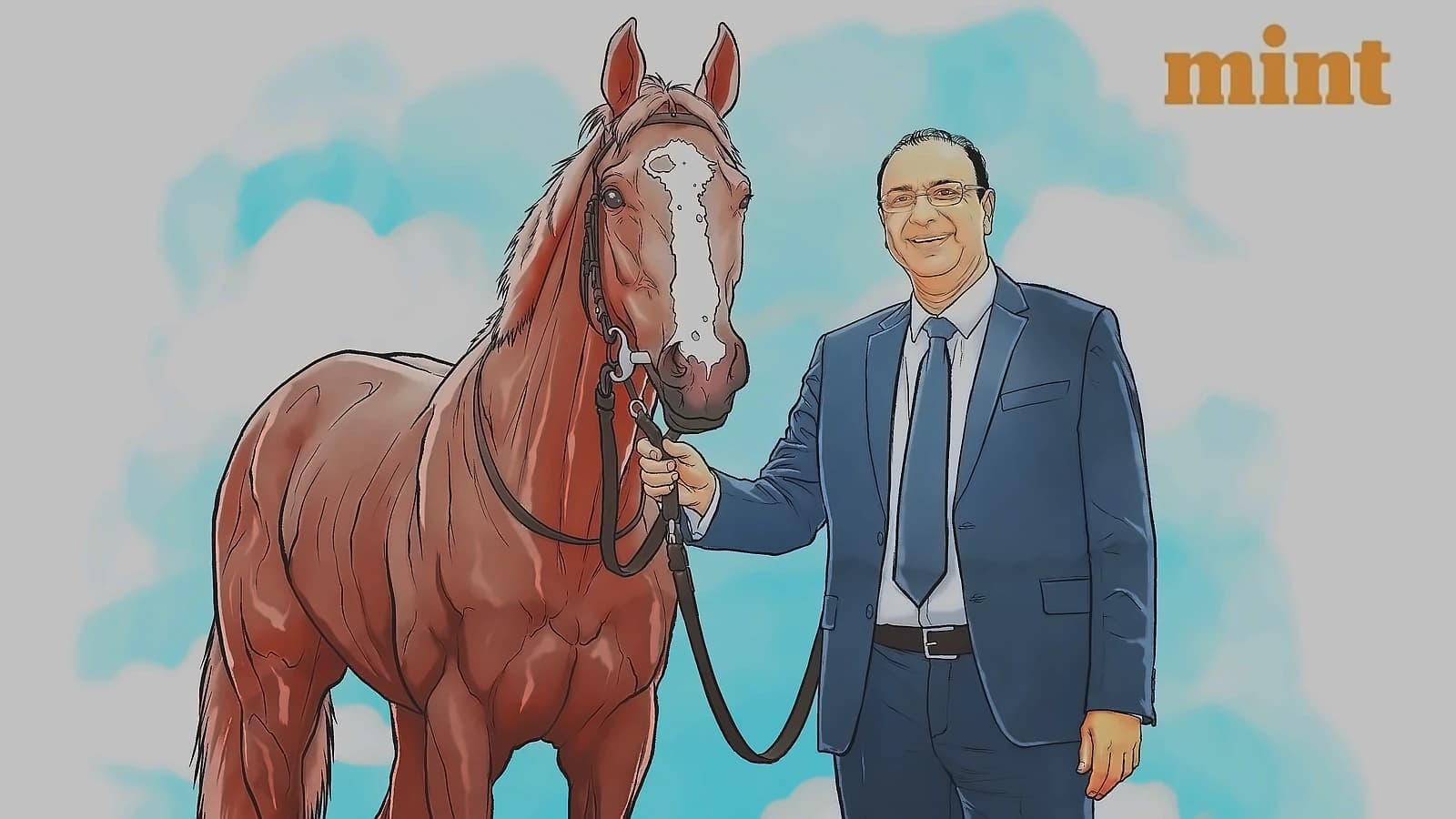
Tata Sons' potential IPO at a valuation of ₹12 lakh crore would transform the wealth of several low-profile shareholders, with the company's 4.04 lakh ordinary shares expected to hit the Indian secondary market. According to SMC Global Securities, Seema Srivastava, Senior Research Analyst, believes valuations of Tata Sons Private Ltd would be around ₹12 lakh crore, making it one of the most valuable IPOs in Indian market history. The price of one Tata Sons share comes to around ₹3 crore (₹12,00,000 crore / 4,04,000 shares), meaning even a single shareholder would become a crorepati. This represents a significant increase from the earlier estimated valuation of ₹9-12.5 lakh crore, reflecting the growing market interest in the Tata Group's holding company.
The Tata Sons boardroom battle is now heading towards the courts after Tata Trusts issued a statement claiming the reappointment of N. Chandrasekaran as 'not validly passed and has no legal effect'. As per ET Now, Supreme Court Advocate HP Ranina stated that in accordance with Tata Sons' articles of association, the appointment of a chairman must necessarily involve the consent of Tata Trusts' nominees, requiring both trustee consent at board meetings and shareholder approval. Supreme Court Lawyer Sanjay Hegde noted that Noel Tata's objection stems from a previous Charity Commissioner order restricting the trust from making permanent policy decisions, warning that without unanimity of the Tata Trusts, the appointment cannot proceed. Shriram Subramanyan from InGoverne explained that the board decision must ultimately reach the Annual General Meeting (AGM) to get approved, with shareholder primacy ensuring any board decisions will be overruled if the Charity Commissioner permits voting to the trusts.
Tata Sons' board has backed N. Chandrasekaran for another five-year term, defying the position of Tata Trusts, which owns 65.9% of the holding company. At Thursday's board meeting, directors voted 4-1 to recommend Chandrasekaran's reappointment, with Noel Tata, chairman of Tata Trusts, opposing it. The Trusts have called the board's move illegal, arguing that Chandrasekaran had already announced he would step down after his current term ends in February 2027. The dispute centres on the special provisions in Tata Sons' Articles governing Trust-nominated directors, with Noel Tata and Venu Srinivasan, the two relevant Trust nominees, voting on opposite sides. The resulting deadlock was broken by a casting vote, allowing the reappointment to pass. Tata Trusts now argues that 'a casting vote cannot revive a stillborn resolution' and that 'the affirmative support of Tata Trusts nominee directors as mandated by the AoA was not given'.
Among individual shareholders, Jimmy Naval Tata, younger brother of the late Ratan Tata, holds 3,262 shares worth ₹9,786 crore after the IPO listing, while Ratan Tata's estate (3,368 shares) would be valued at over ₹10,000 crore. The Shapoorji Pallonji Mistry family, through their 18.36% stake, would see their direct holdings worth ₹2,22,720 crore, with Shapoorji Pallonji Mistry himself holding 108 shares directly worth ₹354 crore. Noel Tata's 2,055 shares would turn into ₹6,165 crore, and Simone Tata's 2,011 shares would amount to ₹6,033 crore. Piloo Tata's 487 shares would be worth nearly ₹1,446 crore, while Jimmy Tata's 157 shares would turn into more than ₹466 crore. However, experts warn that 'the price, dilution, issue structure, taxes and selling restrictions could materially change what shareholders ultimately realise' once the listing takes place.
The Reserve Bank of India has rejected Tata Sons' application to surrender its Core Investment Company registration on September 11, effectively requiring the company to comply with listing requirements. Abizer Diwanji of Neostrat Advisors LLP explained that converting Tata Sons from a private to a public company, including IPO preparation and SEBI process, could take six to nine months or longer. Sandeep Parekh from Finsec Law Advisors noted that getting a stay on the listing within a month or two will be an uphill task, but shareholders can overrule the board. The RBI's rejection of Tata Sons' deregistration application as a non-banking financial company (NBFC) has pushed the holding company towards mandatory public listing. Hetal Dalal from Institutional Investor Advisory Services raised another governance issue regarding Chandrasekaran's five-year term potentially surpassing the organization's retirement-age policy, as he hits the retirement age of 65 in two years.
Seven out of Tata Sons' 16 unlisted subsidiaries reported net losses in FY26, with their combined net loss widening to ₹31,823 crore from ₹17,553 crore in the previous year. According to reports from Business Standard, the losses grew even as revenues at these seven companies rose 30% year-on-year to ₹2.61 trillion from ₹2 trillion in FY25. The comparison with FY20 is distorted by the subsequent addition of Air India, Tata Electronics and Agratas to the Tata group, while Tata Digital was only established that year with revenue of ₹7 crore.
Air India accounted for the bulk of the losses, with its net loss more than doubling to ₹22,238 crore in FY26 from ₹10,859 crore a year earlier, while revenue fell 9% to ₹71,870 crore from ₹78,636 crore. As reported by Business Standard, the aviation company's losses were significantly higher than other loss-making subsidiaries, which included Tata Digital's wider net loss of ₹4,974 crore despite revenue rising to ₹35,990 crore, and Tata Electronics' net loss of ₹1,611 crore on revenue of ₹1.31 trillion.