Tata Sons has established an interim management committee for Air India as the appointment of a new CEO faces delays of several months. According to reports from Reuters, the committee includes N Chandrasekaran, Pradeep Singh Kharola, and other senior executives. Kharola previously served as Chairman and Managing Director of Air India from 2017 to 2019 during government ownership and returned to the airline in June as Executive Director to the Chairman. The committee structure comes as Tata Sons continues its search for a new CEO to replace Campbell Wilson, who has officially stepped down in September 2026 amid the prolonged leadership transition. As per Reuters, the panel will oversee the airline until a successor to Wilson is appointed, with the committee's goal being to ensure continuity at Air India while Chandrasekaran's extension as chairman of Tata Sons is pending.
The search for the new Air India CEO has encountered significant opposition, particularly from Tata Trusts chairman Noel Tata, who has raised concerns about the proposed appointment of Nipun Aggarwal as the airline's next CEO. As reported by Reuters, despite these objections, Aggarwal remains a strong contender and has been Air India's chief commercial officer since 2022, overseeing commercial operations including fleet expansion, sales, marketing and network planning. However, Chandrasekaran has reportedly been cautious about making a final decision amid questions surrounding his own future at the conglomerate, with an informal search continuing even as the formal appointment faces delays. According to Reuters, Singapore Air executive Vinod Kannan and Air India's commercial head Nipun Aggarwal are leading the successor race, with Wilson's notice period ending on September 30 this year. The Tata Trusts holds 66% of Tata Sons, making any agreement on the appointment significant for the leadership transition.
Despite massive cash infusion by Tata Sons, the loss-making flag carrier continues to struggle financially and operationally. According to Singapore Airlines' FY26 annual report, Air India's revenue more than doubled to S$10.53 billion (₹77,800 crore) from S$4.55 billion (₹33,600 crore) a year earlier, reflecting the consolidation of Vistara after the merger completed in November 2024. However, losses after tax widened significantly to S$3.77 billion (₹27,800 crore) from S$288.4 million (₹2,130 crore) in the previous year. The airline and its budget subsidiary Air India Express recorded a combined record loss of more than $2 billion in the last fiscal year. Rising fuel prices and regional tensions have forced the airline to cut over 350 flights daily, compounding the financial pressures. Air India has been hit hard by Pakistan's airspace ban on Indian airlines and the U.S.-Israeli war on Iran, which has raised fuel and operating costs significantly.
In a recent interview with PTI, Wilson highlighted that non-delivery of aircraft on schedule has significantly impacted growth and fleet modernisation. The CEO noted that supply chain constraints on seats, particularly first and business class seats, have delayed the airline's retrofit of existing wide-body aircraft by about two years. Wilson expressed regret that aircraft deliveries were not on schedule, stating it would have advanced the remaining part of Air India's transformation much more effectively. To address these challenges, Chandrasekaran has stepped in to conduct weekly reviews of Air India while pushing for closer coordination among various departments, with key units such as flight operations, commercial and finance delivering weekly reports to him. The airline has been facing intense scrutiny after a series of safety lapses and last year's Boeing Dreamliner crash in Gujarat, India, which killed 260 people.
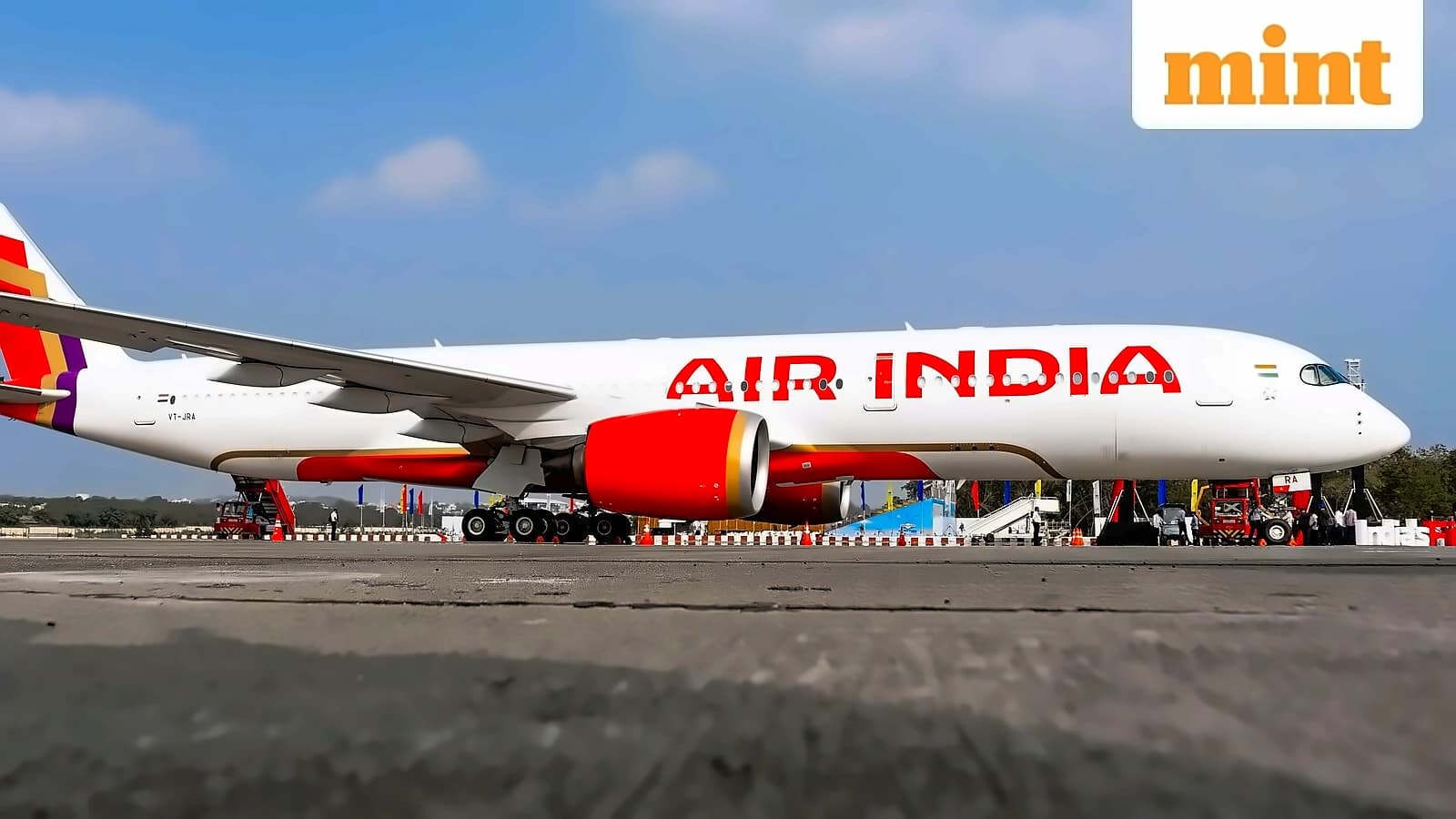
The Air India Group, comprising Air India and Air India Express, operates more than 300 aircraft. Currently, Air India has 184 planes, including 34 Boeing 787s or Dreamliners, 6 A350s, and 19 Boeing 777-300 ERs. Two new Boeing 787-9s have joined the fleet, and the retrofit of Boeing 777-300 ERs is expected to start in mid-2027. According to Singapore Airlines' annual report, the airline will take delivery of seven more wide-body aircraft in FY27 while its budget arm Air India Express will induct around 10 Boeing 737 Max planes. The Tata Sons board is currently reviewing Air India's aircraft delivery pipeline, though any deferment in the near term is unlikely as this will attract penalties from manufacturers.