Non-banking financial company Tata Capital Ltd delivered exceptional second-quarter results with consolidated net profit attributable to shareholders surging 51% year-on-year to ₹1,660 crore for Q2 FY2027, compared with ₹1,097 crore in the corresponding quarter last year. According to latest exchange filings, revenue from operations rose 21% YoY to ₹9,342 crore from ₹7,739 crore in the year-ago period. The company's profit before tax increased to ₹2,384 crore from ₹1,507 crore in the previous year quarter. Basic earnings per share (EPS) stood at ₹3.91, compared with ₹3.65 in the preceding quarter and ₹2.73 in the corresponding quarter last year. On a sequential basis, consolidated net profit increased 12.5% from ₹1,628 crore in the June quarter, while revenue from operations rose 5.9% from ₹8,822 crore. Total expenses rose 11.7% to ₹6,976 crore from ₹6,246 crore in the year-ago quarter.
The company faced net interest margin (NIM) pressure, falling 9 basis points quarter-on-quarter to approximately 4.9%, marking the fourth straight quarterly decline. As per Business Standard, this decline was driven by a 13 basis points QoQ rise in calculated cost of funds (CoFs) on EBLR and repo-linked bank borrowings, which was sharper than the 6-7 basis points rise for large peers. Net interest income (NII) grew only 23% to ₹3,700 crore despite strong AUM growth of 26%, reflecting the margin compression. Investment income more than doubled to ₹255 crore from ₹105 crore, while fee income grew 9% to ₹725 crore from ₹663 crore. Annualised credit cost declined to 0.9% from 1.3% in the corresponding quarter last year, while annualised return on assets (ROA) improved to 2.3% from 1.9%. Return on equity (ROE) rose to 14% from 13%. The cost-to-income ratio improved to 35.3% from 39.7%, reflecting better operating efficiency as operating expenses increased 10% to ₹1,651 crore, considerably slower than income growth.
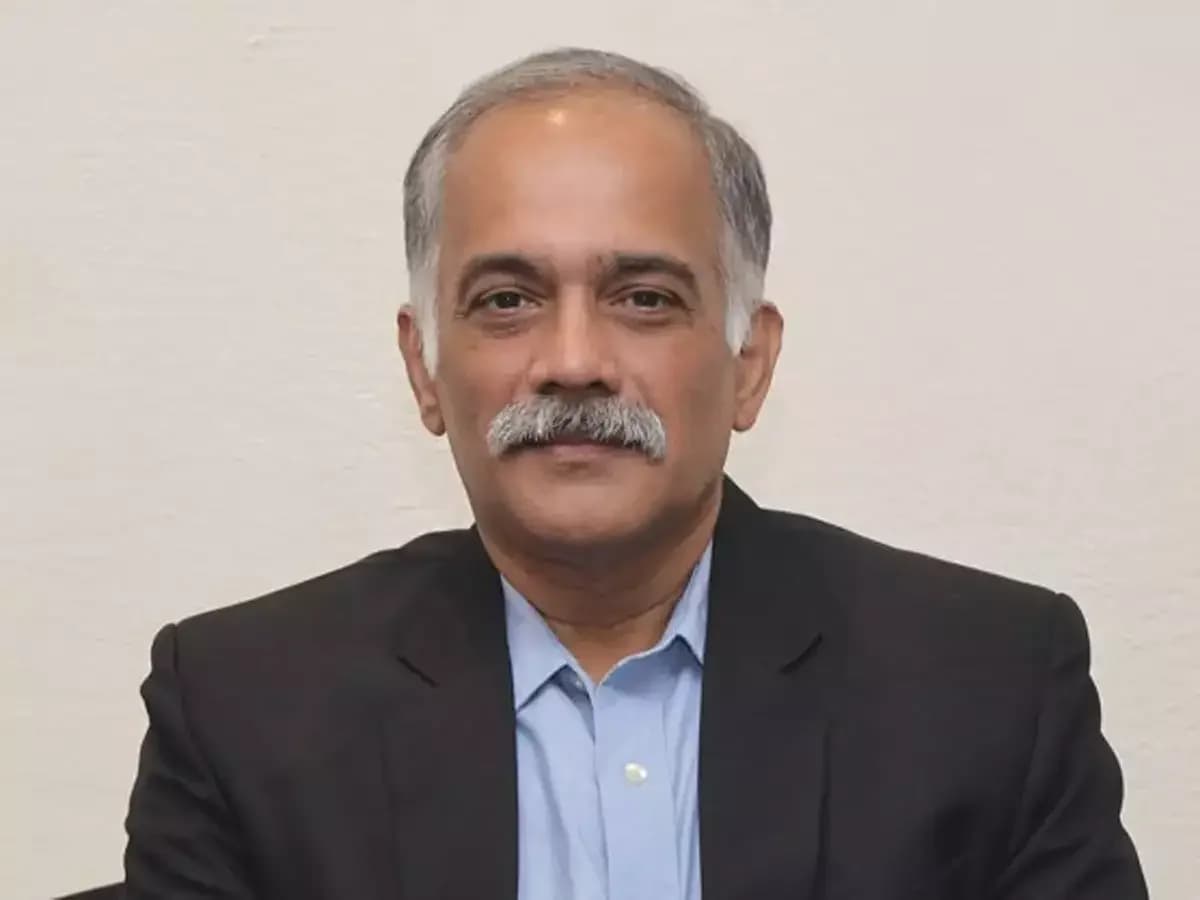
The company achieved a significant milestone during the quarter, with its loan book crossing ₹3 lakh crore, rising 26% YoY to ₹3,08,030 crore as of September 30, 2026, compared with ₹2,43,896 crore a year earlier. As reported by The Economic Times, Managing Director and CEO Rajiv Sabharwal noted that the loan book crossing ₹3 trillion underscores the scale, diversification and resilience of our franchise. Assets under management (AUM) grew 26% YoY to ₹3,08,030 crore compared with ₹2,43,896 crore a year earlier. Excluding motor finance, AUM growth stood at 32%, with retail and small and medium enterprise (SME) lending accounting for 85.4% of net AUM, with high-margin retail forming around 25%. The company's total equity stood at ₹47,778 crore, while the capital adequacy ratio was 17.3% as of September 30, 2026. Asset quality remained stable, reflecting the company's continued focus on portfolio quality, prudent underwriting and effective collections.

Tata Capital shares defied market sentiment, rallying 5% in Wednesday's intraday deals following the strong Q2 results. As per Business Standard, the stock hit the day's high of ₹315.65 on the BSE, up 4.9% against the last closing price of ₹300.80 amid higher than usual volumes. Over 5 million shares of the company changed hands on BSE and NSE combined at last check. As of 11.50 AM, Tata Capital's share price was trading 3% higher at ₹310 while the 30-pack Sensex was down 0.80% at 73,000 levels. JM Financial maintained a 'BUY' rating with a target price of ₹400, valuing it at 2.8x FY28E BVPS for average RoA/RoE of 2.2%/16% over FY27–29E. However, Motilal Oswal Financial Services (MOFSL) maintained a 'NEUTRAL' rating with a target price of ₹340, noting that current valuations adequately reflect the company's near-term growth and earnings potential. Management retained all its guidance, reiterating its medium-term AUM growth guidance of 23-25% and expecting NIM plus fees to remain stable or improve marginally in Q3, with stronger recovery in Q4 FY27.
As reported by The Economic Times, the retail portfolio, which includes home loans, loans against property, two-wheeler loans, personal loans and business loans, stood at ₹1.51 lakh crore, while loans to small businesses stood at ₹88,500 crore. Corporate loan book stood at ₹44,862 crore, while motor finance loans totalled ₹23,591 crore. Unsecured loans accounted for 10% of net AUM. The proportion of retail loans (excluding motor finance) and motor finance declined to 49% (from 50.4% a year ago) and 7.7% (11.6%) respectively in the loan book. However, the proportion of SME and corporate loans increased to 28.7% (26.3%) and 14.6% (11.7%) respectively. The company's exposure to revolving credit or flexi loans was about 3-4% of AUM, with MD & CEO Rajiv Sabharwal noting that the company is evaluating alternative products to mitigate any impact of RBI's proposed curbs on revolving credit. The RBI has proposed that NBFCs discontinue the provision of revolving credit to customers.