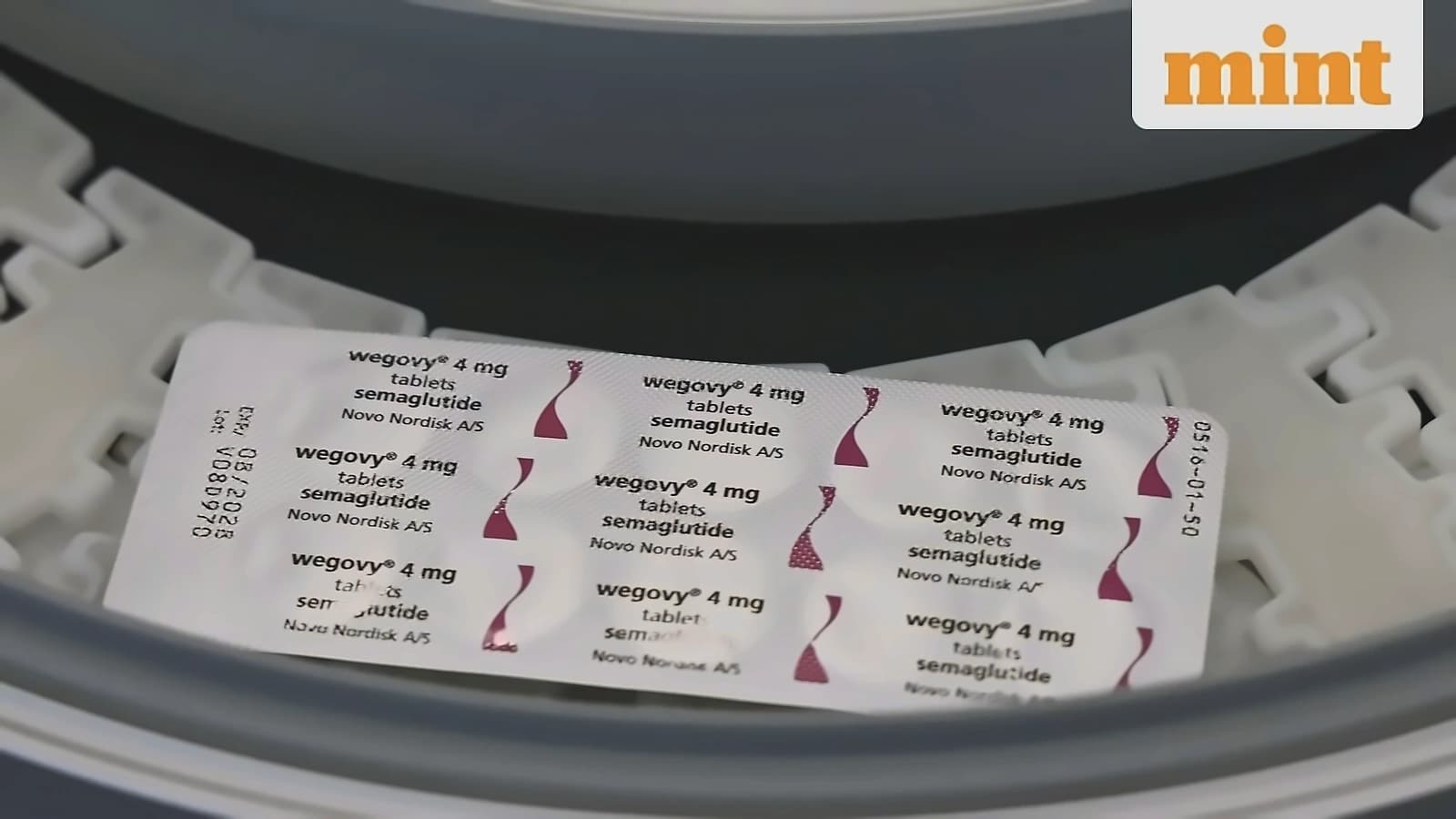
The Delhi High Court has issued a comprehensive directive requiring Sun Pharmaceutical Industries to seek explicit judicial approval before launching its semaglutide tablets. Justice Anup Bhambani directed that if and when Sun Pharma receives a commercial manufacturing licence, the company must file an application before the court before taking any further steps to launch the drug. After hearing the matter for more than two hours, Judge Bhambhani stated that "the defendants (Sun Pharma) shall move an application before the court, at which stage the court may consider if any further orders are required to be passed." This judicial directive represents a major setback for Sun Pharma's plans to enter the competitive oral semaglutide market, particularly as the company pushes into the fast-growing weight-loss and diabetes drug sector. The court's restraining order forces Sun Pharma to halt its immediate commercialization plans pending a comprehensive judicial review of Novo Nordisk's patent claims.
The legal setback stems from a patent infringement suit filed by Danish drugmaker Novo Nordisk, which alleges that Sun Pharma's proposed generic tablets violate its existing patents. As reported by The Economic Times, the ongoing legal dispute specifically revolves around Sun Pharma's planned 3 mg, 7 mg, and 14 mg semaglutide oral tablets. Senior counsel Amit Sibal, appearing for Novo Nordisk, argued that Sun Pharma's proposed product could infringe its patent on an oral semaglutide formulation that uses Salcaprozate sodium (SNAC), a compound that aids the absorption of large drug molecules in the stomach. Sibal also pointed out that the Subject Expert Committee (SEC) of the Central Drugs Standard Control Organisation (CDSCO) has approved Sun Pharma for the permit to manufacture semaglutide tablets, creating what he termed an 'imminent threat' to Novo's patent. The Danish drugmaker lost patent exclusivity for semaglutide in March, the compound behind injectables like Ozempic and Wegovy, which saw a rush of copycat generics being launched in India, but Novo Nordisk's oral semaglutide, Rybelsus, remains protected by a separate formulation patent. The stakes in the semaglutide patent litigation are astronomically high, as Novo Nordisk has achieved unprecedented financial success with the drug, propelling the company to become Europe's most valuable enterprise by market capitalization.
Sun Pharma argued that the Delhi High Court should not hear the case because the company is based in Mumbai and does not yet have a manufacturing licence for the proposed drug. The Sun Pharma counsel also added that Subject Expert Committee (SEC) approval is not the final marketing approval; the company must obtain other regulatory licenses before it can manufacture and sell the drug. The court expressed concern about the 'ambiguity' over the composition that Sun Pharma has proposed for its product. Meanwhile, Novo Nordisk has pursued a similar suit against Torrent Pharma over semaglutide tablets, indicating broader industry challenges. In March 2026, Novo Nordisk approached the Delhi High Court to block Dr. Reddy's from launching a generic version of semaglutide under the brand name 'Olymviq', arguing that it is phonetically and structurally similar to Ozempic and risks confusing patients and prescribers. The Delhi High Court's final ruling will serve as a bellwether for the entire Indian pharmaceutical sector, as a victory for Sun Pharma would catalyze an immediate generic revolution for GLP-1 drugs, drastically altering the global economics of obesity and diabetes management.
Sun Pharma currently holds the position as the second-largest generic semaglutide player in the domestic market, after Torrent. According to data from Pharmarack, in July, generic semaglutide injectables sales reached ₹46 crore while Novo Nordisk's sales totalled ₹27 crore. For oral semaglutide, Novo Nordisk reported ₹20 crore in sales, while generic tablet sales stood at ₹11 crore. However, generic tablets have seen a pickup in sales over the past month, while Novo has remained largely flat. The generic semaglutide market continues to grow steadily, driven by intense competition among domestic players. Industry analysts project that over 50 generic versions of the drug are currently in development by Indian pharmaceutical companies, including heavyweights like Lupin and Dr. Reddy's Laboratories, positioning themselves to capture a massive share of the domestic anti-obesity and diabetes treatment market by offering the medication at a fraction of Novo Nordisk's premium pricing. For patients in the Global South, the availability of generic semaglutide is a matter of life-altering affordability, as in Kenya, where a monthly supply of branded semaglutide can cost upwards of KES 120,000, placing it entirely out of reach for the average citizen.