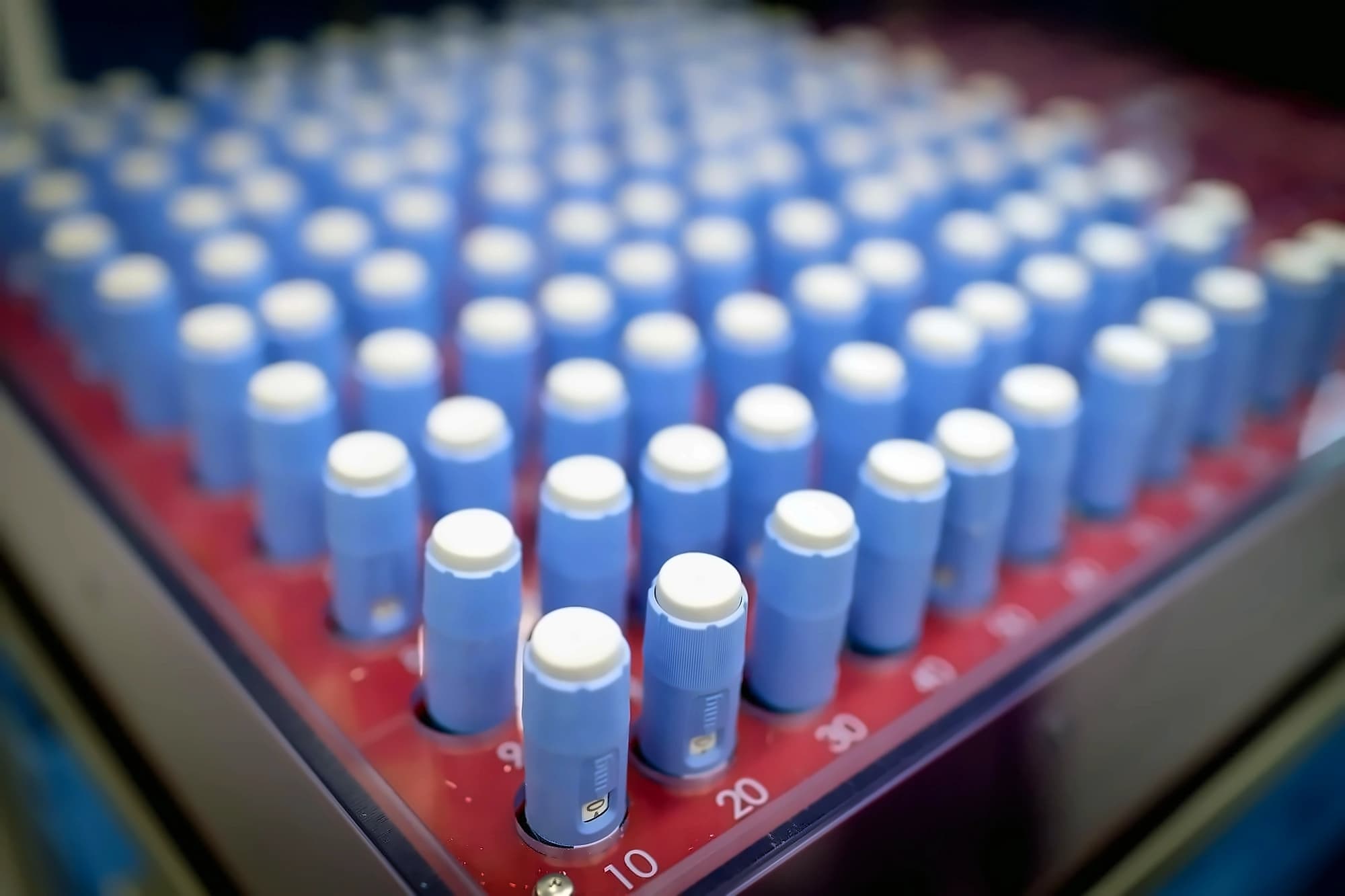
India is establishing official quality benchmarks for semaglutide, the key ingredient in blockbuster diabetes and weight-loss drugs like Ozempic and Wegovy, according to two government officials and a document reviewed by Mint. The Indian Pharmacopoeia Commission (IPC), the health ministry body that sets national drug safety guidelines, is drafting a dedicated pharmacopoeial monograph—a legally binding document that defines a medicine's precise identity, purity, potency, and testing blueprints. Without domestic standards, Indian manufacturers have been relying on internal protocols or foreign manuals to manufacture weight-loss drugs, a market that CareEdge expects to cross ₹347 million in India sales by 2035. This development comes as 55 drug patents are set to expire in 2026, creating significant opportunities for generic manufacturers to enter the market.
According to one of the two officials cited above, authorities are focusing on semaglutide as it is the only major weight-loss drug made in India on a vast scale by multiple companies. Domestic firms are producing it via two distinct methods: chemical peptide synthesis and recombinant DNA cell culture. Establishing an official national monograph provides state regulators and testing laboratories with a binding statutory benchmark to enforce uniform limits on purity, potency, and process-specific impurities across competing generic brands. The Centre has prioritized the drug for inclusion in the upcoming Indian Pharmacopoeia (IP) Addendum 2028.
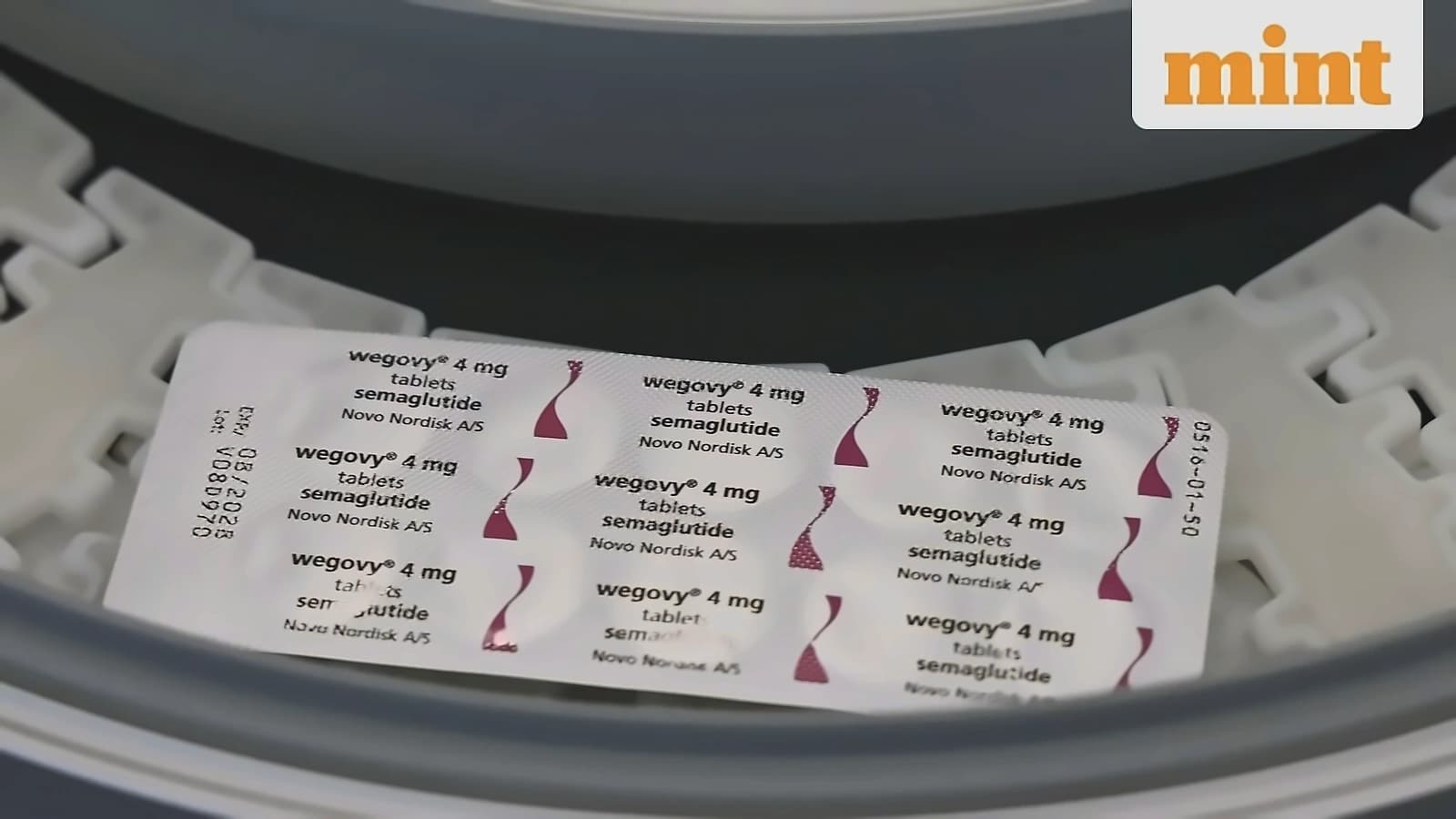
After the global patent on semaglutide expired on 20 March, several Indian drugmakers launched cheaper versions of the drug, including Sun Pharma, Zydus, Dr Reddy's, Mankind, Torrent and Glenmark. Brands now available include Novo's Ozempic and Wegovy and Indian versions such as Semaglyn, Semasize and Obeda, with prices ranging from about ₹1,300 to ₹16,400 a month, depending on the brand and dose. Other than semaglutide, India has also approved Orlistat (a lipase inhibitor) and Tirzepatide (a dual GIP/GLP-1 receptor agonist) for weight and diabetes management. The 55 drug patents expiring in 2026 represent significant opportunities for generic manufacturers to enter the market with cheaper alternatives.
According to the Indian Drugs Manufacturing Association (Idma), which represents 1,200 companies, the standards will apply to Indian and multinational pharmaceutical companies. Idma spokesperson Viranchi Shah said this promotes greater consistency in quality compliance across the industry and strengthens patient confidence in medicines available in the country. Former Pharmexcil director general Uday Bhaskar noted that establishing indigenous IP monographs is critical for domestic quality assurance, regulatory clarity, and manufacturing cost-effectiveness, as reference standards from foreign pharmacopoeias like the USP are often expensive for domestic manufacturers. The 55 drug patents expiring in 2026 create additional opportunities for Indian manufacturers to develop generic versions of these expiring patents.
Public health experts emphasize the importance of these standards for medicine quality. Dr. Rajeev Jayadevan, a former president at Indian Medical Association (IMA), Cochin chapter, explained that unlike simple pills, semaglutide is a delicate peptide molecule designed to mimic a natural human hormone where the amino acid building blocks have to be in the exact correct sequence with a specific fatty acid tail attached. Any variation in the manufacturing process can lead not only to lack of effectiveness but also unwanted side-effects, making these medicines suitable only for medical supervision. The standards ensure patients receive medicine of the right quality while setting clear standards against which testing for purity and fake products can be conducted. With 55 drug patents expiring in 2026, the need for quality standards becomes even more critical as generic manufacturers enter the market with cheaper alternatives.