Sterling Holiday Resorts Ltd has unveiled an aggressive expansion plan to open 20 resorts over the next 12-18 months, targeting 95 resorts and 4,500 rooms by 2027. As reported by Business Standard, Managing Director and CEO Vikram Dayal Lalvani confirmed the company's ambitious growth strategy despite facing industry headwinds from rising fuel prices and geopolitical turmoil that began last year and continued into 2026. The expansion comes as the company posted its best-ever fourth quarter ended March 2026, with revenue of ₹141 crore, up 14% year-on-year, marking its 25th consecutive profitable quarter. Lalvani emphasized that the company has evolved to weather downside risks through operational efficiencies, stating that 'the ability of individual companies to weather these headwinds and offset that with efficiencies on the other side, I think that's where the differentiator is'.
Sterling Holiday Resorts Ltd, part of Thomas Cook India, has halted new vacation memberships approximately two-and-a-half years ago to concentrate on hotel operations and expand its properties. According to reports from Mint, the company's 50,000 legacy members now provide an occupancy cushion as Sterling builds a conventional hotel business ahead of its demerger from the parent and separate listing. Managing director and chief executive Vikram Lalvani explained that while the membership model is not bad, economically it may not work in the long term, leading to the strategic sunset of acquisitions. The shift represents a fundamental transformation from the vacation ownership business that built the company to a broader hospitality play.
The transformation has significantly improved Sterling's financial performance. As reported by Mint, the company generated less than ₹200 crore in revenue in 2019, when 70-90% of the business was linked to memberships and the company was loss-making. In FY26, Sterling reported revenue of ₹548.7 crore, Ebitda of ₹170.1 crore and profit before tax of ₹114.2 crore, while remaining debt-free and completing its 25th consecutive profitable quarter. Resort operations now contribute 85% of revenue in FY26, up from 79% a year earlier. While profitability has improved, Lalvani noted that accumulated losses from the legacy business continue to remain on its books, acknowledging that 'legacy businesses take time to repair'.
Sterling currently operates 78 resorts, hotels and retreats with more than 3,800 rooms across 65 destinations and expects to cross 95 properties and 4,500 rooms by 2027. The company plans to add another 35 hotels with nearly 2,000 rooms over the next 12-15 months, focusing on wildlife, pilgrimage and drive-to destinations. According to Mint, the company maintains a balanced approach with 45% of room inventory owned, with the remainder split between leased and managed properties, unlike several hotel companies that have adopted asset-light strategies. Managing director Vikram Lalvani highlighted that the 50,000 legacy members provide a competitive advantage, helping fill the first 10-15% of occupancy and keeping cash registers ticking, though they are no longer the source of future growth.
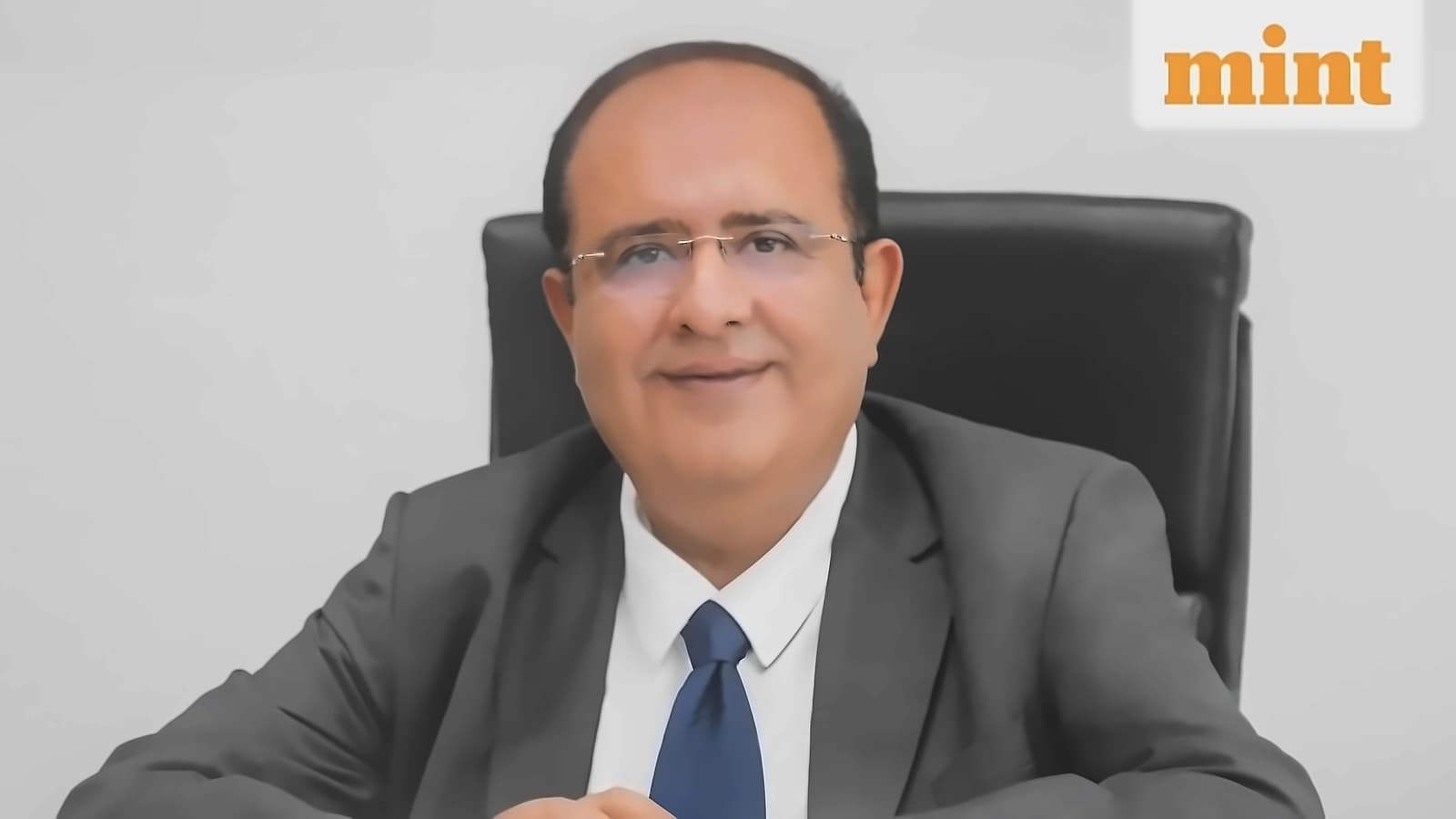
The company's expansion strategy is supported by evolving traveler preferences and the growing experiential travel market. As reported by Business Standard, Lalvani noted that the purpose of travel has varied more than it did in the past, with people traveling to wildlife resorts not just to see a tiger but to experience the complete rural circuit around the forest. The company plans to continue its strategy of entering new destinations and building ecosystems, similar to its successful entry into Kodai in the 1980s and Darjeeling in the 1990s. Lalvani emphasized that 'the growth of the sector was also getting tailwinds from the evolving Indian traveller, who was now heading to destinations to seek niche experiences across segments such as wildlife, pilgrimage, weddings or even simply catching up on sleep'. The company has no plans to sell its owned assets at this point, instead focusing on expanding existing properties and building a profitable network rather than the biggest hotel network.