Hindustan Aeronautics Limited (HAL) shares jumped nearly 3% in early Wednesday trading following positive analyst coverage. According to latest reports, the stock opened at ₹4,640 and traded between ₹4,614.70 and ₹4,695 as of 9:30 am, with the previous close at ₹4,549.30. Global brokerage Jefferies has retained its 'Buy' rating on the stock with a price target of ₹6,800, implying approximately 43% upside from the current market price. The stock has been under pressure due to execution delays on the Tejas Mk1A aircraft since 2024, which have raised concerns about the company's ability to deliver on its commitments. As per Live Mint, HAL shares have demonstrated remarkable performance over the past five years, rising from around ₹699 to ₹4,670 per share, representing a 600% rally that positions it among the multibagger defence stocks in the Indian market.
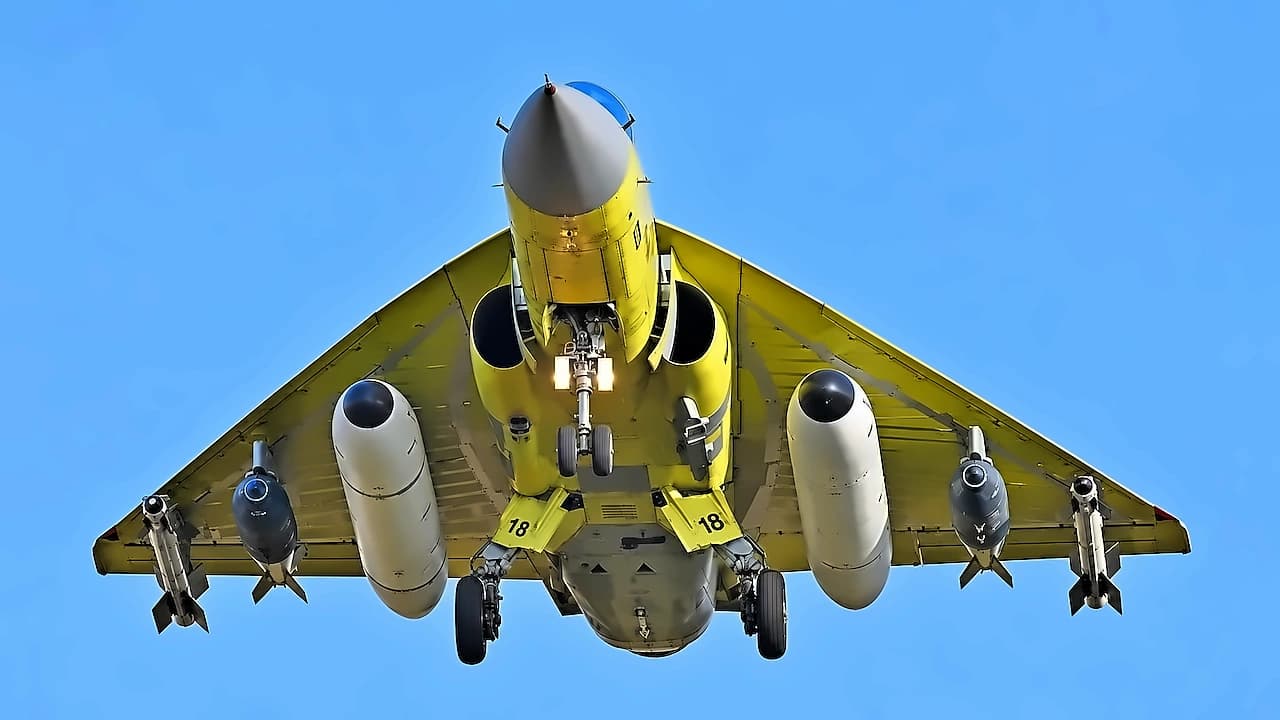
HAL CMD Ravi Kota expressed confidence in delivering 10 Mk1A aircraft in 2026 during interviews on September 18, following completion of the Tejas Mk1 trainer aircraft contract. According to Jefferies, 24 airframes are ready with GE engines fitted and tested, while HAL has received 10 engines from GE and completed 90-95% of radar and missile integration and certification. The Mk1A represents 43% of HAL's order book, making it the key trigger for a potential stock re-rating after previous delays, with engine availability now identified as the main constraint rather than airframe production. Jefferies expects the delivery of even the first aircraft could be an important signal for the company's execution, with the brokerage now expecting 10 aircraft to be delivered this year compared with its earlier assumption of five. As per The Economic Times, Kota's confidence of delivering 10 aircraft this year puts the company ahead of Jefferies' earlier expectations, with testing currently underway and the first delivery expected to matter disproportionately for investor sentiment.
HAL's order book stands at ₹2.55 trillion, representing 7.7 times FY26 revenue, with a further ₹1.8 trillion pipeline including Su-30 MKI upgrade, light utility helicopters, and ALH helicopters for the Navy and Army. Jefferies expects revenue to grow at 15% CAGR over FY26-30, with EBITDA growing at 17% and EBITDA margin estimates rising from 29.6% to 32.7% over the period. The brokerage values HAL at 35 times September 2028 earnings, representing a 33% discount to the stock's peak multiple and a 13% discount to its target multiple for Bharat Electronics. Jefferies estimates earnings per share at ₹194 and expects the company's absolute profits to rise 1.8 times over four years, while return on equity could remain above 22%. The company maintains a debt-free balance sheet with technology capabilities that should drive upside potential.
The wide gap between the current market price and Jefferies' ₹6,800 target reflects the importance of successful Tejas Mk1A deliveries for investor sentiment and stock valuation. Jefferies has outlined a bull case of ₹8,000 (69% upside) driven by faster defence approvals and stronger 'Make in India' push, while the bear case projects ₹4,250 (10% fall) if defence ordering slows or margins face pressure from higher indigenous content. The brokerage's upside-to-downside ratio of 6.67:1 reflects the potential for significant gains if execution challenges are successfully addressed. As per The Economic Times, the Indian Air Force's acceptance of even one aircraft will bolster confidence in the company's abilities and be a key upside driver for the stock. Key downside risks identified include execution delays in manufacturing and defence indigenization focus reducing, making the next few milestones critical for the company's valuation trajectory.