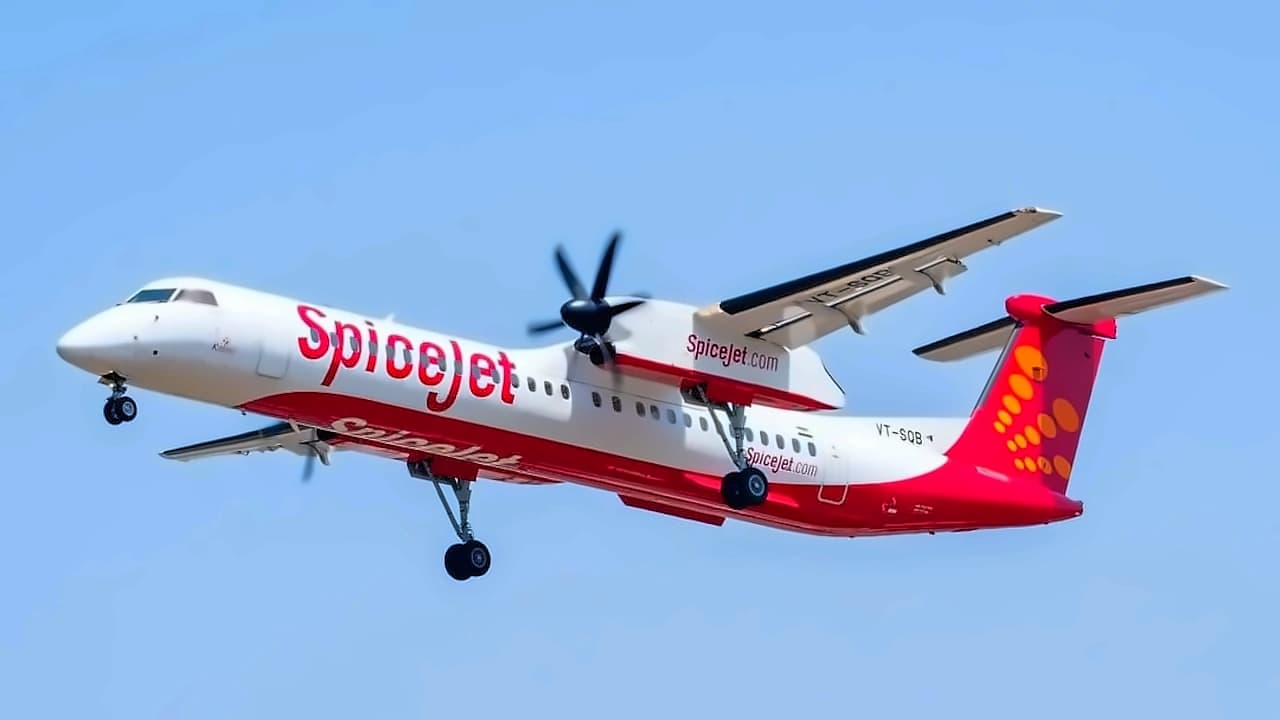
According to reports from Reuters, many SpiceJet pilots and employees are waiting for their salaries since March, with the airline seeking emergency funding to address its financial difficulties. As of March, SpiceJet had 375 pilots on its rolls, and multiple crew members, speaking on the condition of anonymity, revealed that salary payments have been pending for months. The crisis has been documented through internal WhatsApp messages exchanged in a group with more than 180 members, including pilots flying Boeing aircraft and at least one senior airline official. In one message, SpiceJet's senior vice president of flight operations, Virendra Malhotra, wrote on May 26 that he was aware "that all of you are going through a difficult phase owing to the delay in salary disbursement," adding that the balance of February salaries would be released shortly. However, when contacted by Reuters, Malhotra denied sending the message, stating "I categorically deny having issued any such communication."
In response to pilot concerns, Malhotra wrote in a message that "these are testing times, no doubt, but they are temporary." However, when contacted by Reuters, Malhotra denied sending the message, stating "I categorically deny having issued any such communication." SpiceJet acknowledged there had been payment delays, with the airline stating that employee payments continue to be disbursed in a phased manner and a majority of employees have already been paid for March. The airline's response came after one pilot asked for a timeline for release of March, April and May salaries, highlighting the ongoing uncertainty among staff. One pilot called the announcement "reassuring" but sought clarity on when March, April and May salaries would be disbursed, reflecting continued unease among the crew.
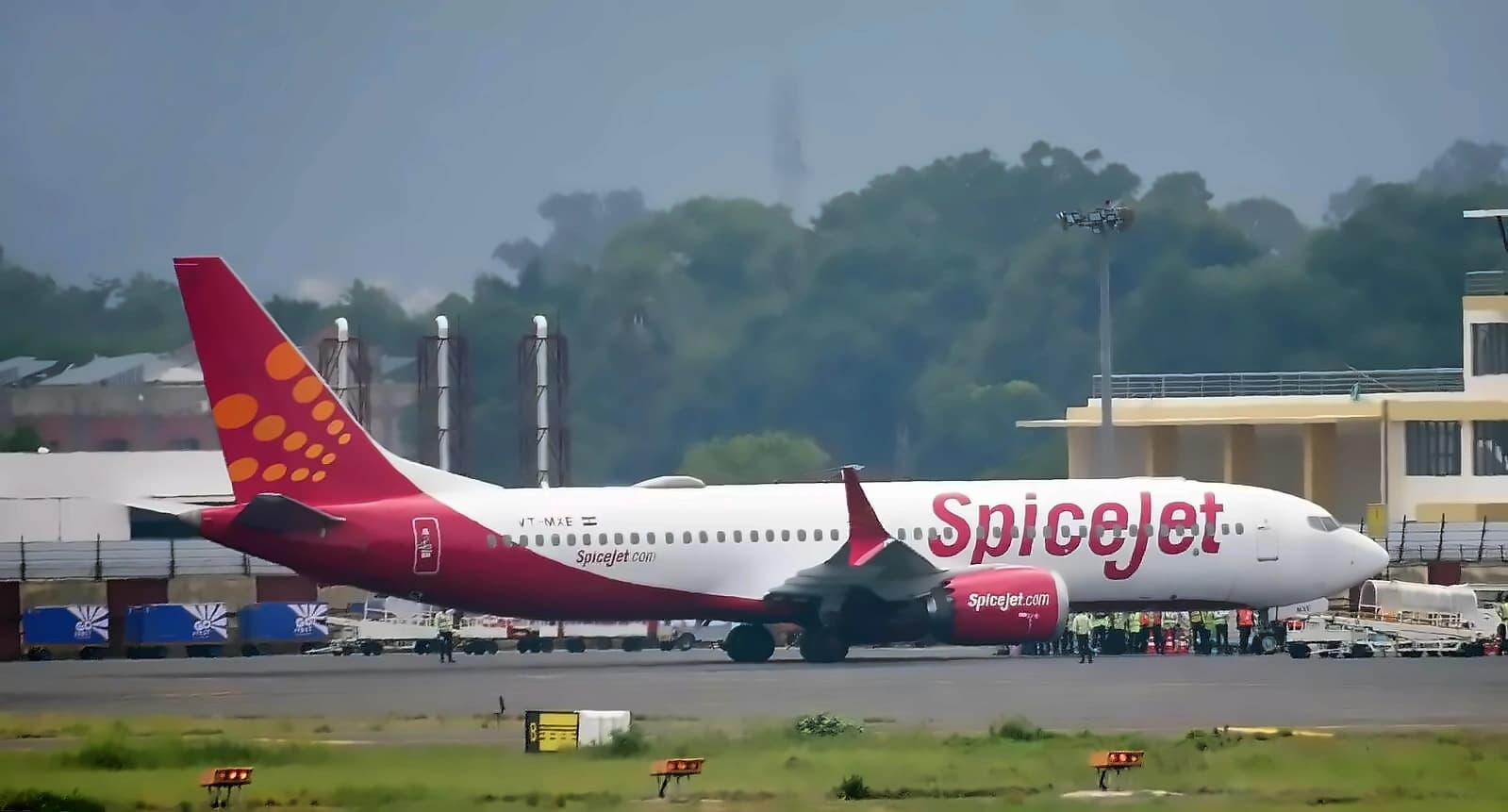
The salary delays have significantly impacted pilots' personal finances, as reported by Reuters. One pilot wrote, "Managing day to day expenses has become really really challenging and have reached a stage where we are having to seek assistance from others to manage essential financial commitments," with the message receiving 52 emoji reactions. The airline currently operates 21 aircraft and has returned a Boeing 737 MAX jet to commercial service, while finalising lease agreements for three Airbus A320 aircraft expected to join the fleet in July. SpiceJet's scheduled flights fell to 3,053 in May from 4,494 in January, according to data from aviation analytics firm OAG, reflecting the impact of financial difficulties on operations.
SpiceJet is seeking funding through the government's Emergency Credit Line Guarantee Scheme, which allows airlines to access government-backed loans of up to ₹15 billion. According to Reuters, the airline stated that all efforts are being made to achieve normalcy, with extraneous factors including the ongoing Middle East crisis affecting operations and cash flows. The airline expects to normalise business activities over the next few months. Once India's second-largest airline with a 15% domestic market share in 2019, SpiceJet now holds a 3.4% share, making it the country's fourth-largest carrier. The airline maintains that it is making every effort to stabilize, blaming "extraneous factors" like the Middle East crisis for weighing heavily on its cash flows.
As reported by Reuters, SpiceJet has faced financial difficulties before, with the airline delaying employee salaries during previous periods of financial stress dating back to at least 2014. Its recent troubles began after the global grounding of Boeing 737 MAX aircraft in 2019, which affected around a tenth of its fleet. The airline has reported annual losses every year since 2019, except for the financial year ended March 2025, when it recorded a small profit after a one-time gain from settlements with aircraft lessors. At least two aircraft lessors have served payment default notices to the airline this year, though SpiceJet did not comment on the notices. India's aviation regulator did not respond to queries on SpiceJet's salary issues and whether the uncertainty could affect safety.