Two SpiceJet flights to Dubai experienced unprecedented operational disruptions, with flights SG 5111 and SG 5105 being delayed by over 24 hours since Monday morning. According to latest reports, flight SG 5111 was originally scheduled to depart at 7:45 am on Monday, September 14, but was repeatedly rescheduled to Monday evening and then to 9 am on Tuesday. As per PTI, the flight had still not departed at the time of reporting, with flight tracking website Flightradar24 showing its status as 'cancelled'. Flight SG 5105, scheduled for 6:45 pm on Monday, was delayed to Tuesday morning. Around 200 passengers protested at Delhi airport's Terminal 3 since late Monday evening, with many passengers stuck at the airport for extended periods. An airline spokesperson attributed the disruptions to operational reasons following the grounding of an aircraft, stating that alternate flights are being arranged to accommodate affected passengers. The source confirmed that airport officials have taken up the matter with SpiceJet executives to address the passenger inconvenience, with some passengers demanding food and accommodation during the prolonged disruption.
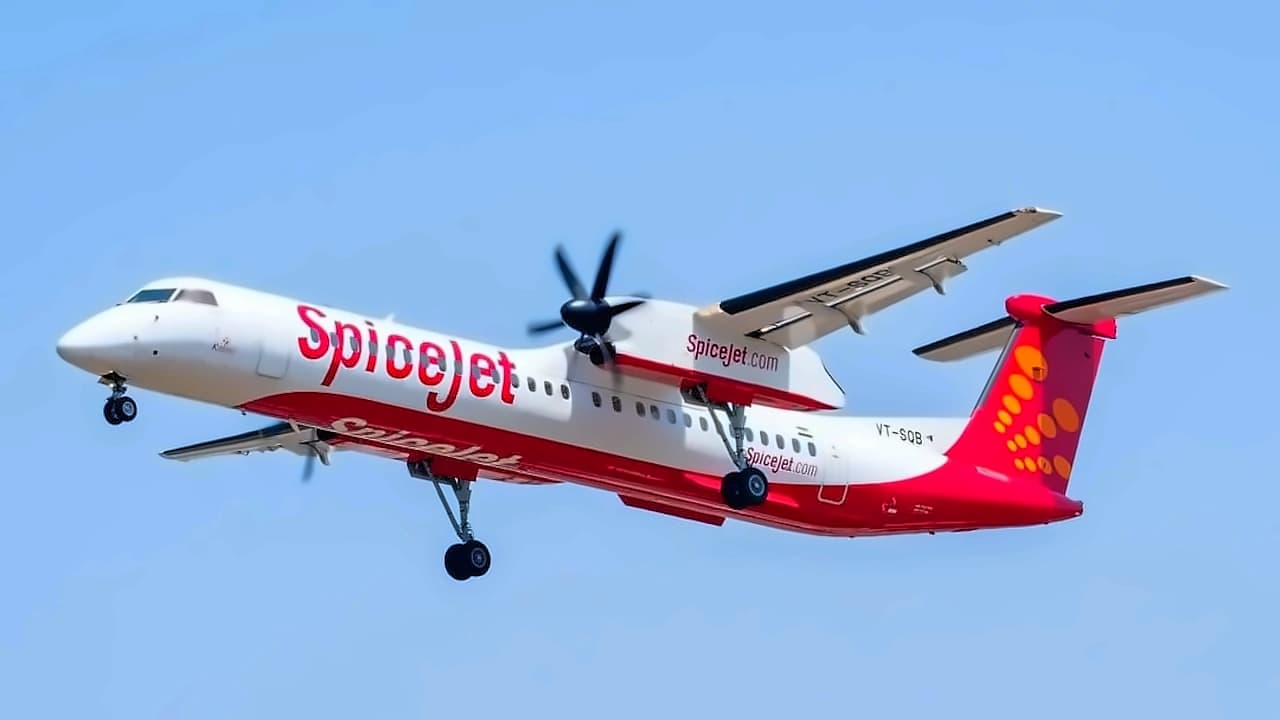
The government and aviation regulator DGCA are closely monitoring the financials and operations of budget carrier SpiceJet, according to Civil Aviation Minister K Rammohan Naidu. As reported by PTI, the minister confirmed this oversight during a conference in New Delhi, responding to queries regarding the airline's challenges. The minister stated that "the civil aviation ministry and the DGCA are keeping a close watch on the financials and operations side of SpiceJet" to ensure proper oversight of the airline's financial health and operational recovery plans. This monitoring comes as the airline faces substantial financial difficulties and has delayed salary payments to employees since May. The latest operational crisis underscores the critical nature of the airline's current challenges, with the Civil Aviation Ministry and DGCA maintaining close surveillance of the situation.
The airline has experienced a notable decline in its domestic market share, dropping to 1.6 per cent in July from 1.9 per cent in June, according to the latest official data. According to PTI, this represents a continuation of a downward trend that began in February, when SpiceJet's domestic share stood at 3.9 per cent. The sustained decline reflects the airline's operational challenges and reduced market presence in the domestic aviation sector, with sources indicating the airline has been witnessing a decline in the number of operational planes as well as domestic market share. The airline's domestic market share has declined steadily since February, highlighting the sustained pressure on its operational performance amid the current operational crisis.
The airline is facing significant financial issues, with sources indicating there has been a delay in payment of salaries to staff since May. As reported by PTI, these salary delays highlight the operational and financial pressures facing SpiceJet. The latest operational crisis adds to passenger concerns about the airline's reliability and financial stability, with the airline currently operating an operational fleet of 11 aircraft, as per information available on fleet tracking website planespotters.net. The airline has apologised for the inconvenience caused to passengers and stated it is arranging alternative flights for the affected passengers while making efforts to minimise the disruption.
Despite current challenges, SpiceJet announced on September 3 that it has finalised lease agreements with three aircraft operators for the induction of 20 planes. According to the airline's statement, these include 15 Boeing and 5 Airbus aircraft to be taken under damp and wet lease agreements. The aircraft are scheduled to join the fleet in phases between mid-October and mid-November, ahead of the winter travel peak beginning with the Durga Puja period. This expansion is designed to strengthen capacity across SpiceJet's domestic and international network and provide additional capacity through the winter and peak summer travel season, as the airline seeks to rebuild its operational capacity amid the current operational challenges.