Speciality Restaurants' Anjan Chatterjee recounted the company's journey from its 1992 inception with Only Fish in Mumbai, just after economic liberalisation. According to reports from Business Standard, Chatterjee explained that while there was no immediate correlation between the restaurant launch and liberalisation, the economic opening created new consumer opportunities. The company incubated Only Fish for two years before repositioning it as Oh! Calcutta and opening Mainland China in 1994. By 1994, banks began recognising the restaurant business, enabling expansion through promoter money and bank debt financing.
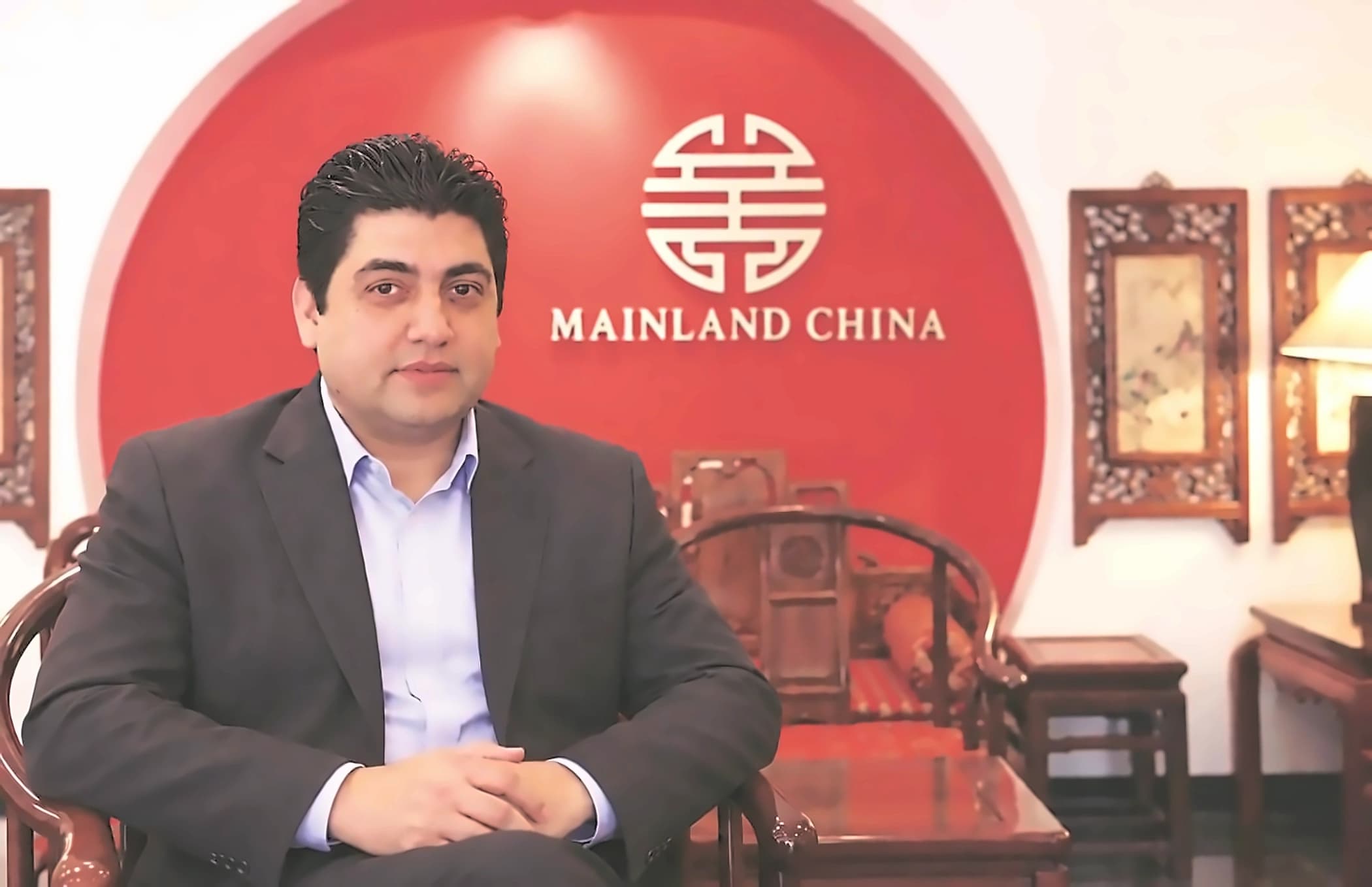
Despite liberalisation, the restaurant industry continues to face significant regulatory hurdles. As reported by Business Standard, Chatterjee highlighted that the licensing process remains draconian, requiring approximately 31 licences from various authorities including excise and FSSAI. The company has fought for single-window clearance with both Congress and BJP governments, but progress remains limited. According to Chatterjee, Speciality Restaurants maintains a dedicated department of four people in each city specifically to manage and ensure timely licence acquisition.
The restaurant sector faces several modern challenges that differ from the early 1990s environment. According to Business Standard reports, Chatterjee identified skilled manpower shortage as a primary constraint, with expansion plans now limited by availability of trained staff. Real estate costs have become prohibitive, forcing many new entrants to start with cloud kitchens before transitioning to brick-and-mortar outlets. Additionally, restaurants do not receive input tax credit on GST paid, creating another significant barrier to growth despite the sector's employment generation capabilities.
Speciality Restaurants went public in 2012 due to a compulsion from private equity investor SAIF Partners, who required the company to list within a five-year timeframe. As reported by Business Standard, Chatterjee emphasised the importance of building a well-governed institution, stating that Bengalis are not known for entrepreneurship and the objective was to create an institution lasting for multiple generations. The company appointed S M Datta as chairman for 13 years, who provided valuable governance lessons during this transition period.
The competitive environment has transformed significantly since the company's 1992 inception. According to Business Standard reports, when Speciality Restaurants started, there were no major fast-food chains like Pizza Hut or Domino's in Kolkata. The company's Mainland China outlet on Gurusaday Road operated like a rockstar destination. However, competition has evolved beyond cuisine-specific battles to include different food categories, requiring continuous brand building and innovation to maintain market position. Chatterjee emphasised the importance of maintaining debt-free operations and innovation as key competitive advantages in the current environment.