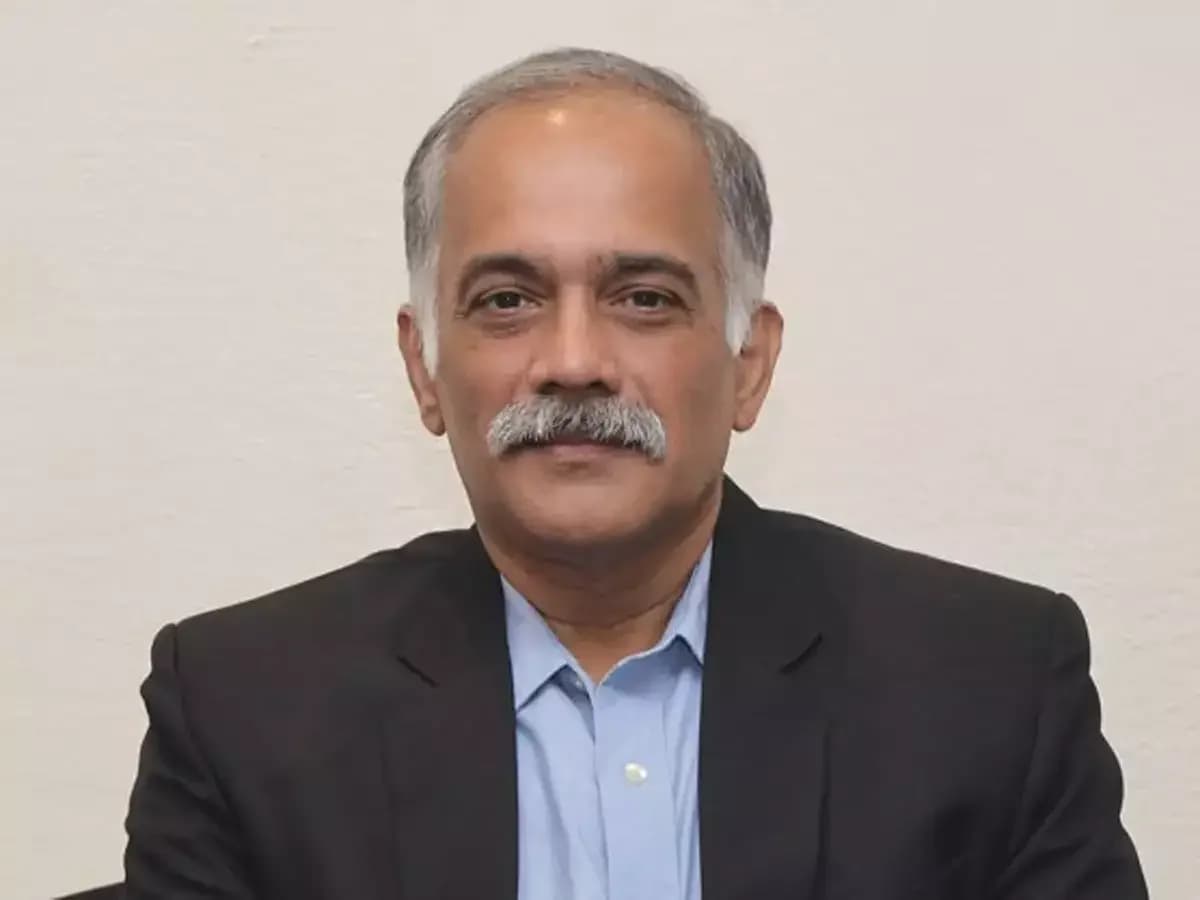
Singapore state investor Temasek, the majority shareholder of Singapore Airlines, has officially backed the airline's investment in Air India amid growing political scrutiny. In a letter to Singapore's Business Times responding to a commentary questioning the investment's strategic value, Juliet Teo, joint head of portfolio development at Temasek Singapore, stated that Temasek viewed Singapore Airlines' decision to invest in Air India from a long-term perspective and was supportive of it. The letter emphasized that the transformation of Air India involves complex, multi-year operational and integration challenges, with outcomes shaped by industry developments and external factors such as airspace disruptions, geopolitical developments and fuel price volatility. As reported by PTI, Temasek did not address whether it would support any capital contribution by Singapore Airlines to Air India, leaving the funding decision to the airline's board. The letter noted that "efforts of this scale take time and are not expected to be linear," highlighting the long-term nature of the investment strategy. Temasek also recognized that as a shareholder of SIA, "we view their business decision from a long-term perspective and are supportive of it," with the investment allowing SIA to deepen its participation in India's aviation growth as the world's third-largest air transport market.
Singapore opposition lawmaker Kenneth Tiong has strongly opposed the use of state investor Temasek's funds to support Air India, following reports of the Indian carrier's $1.5 billion funding request from owners Tata Sons and Singapore Airlines. According to reports from Reuters, Tiong, a member of parliament for the opposition Workers' Party, stated that because Singapore Airlines owns about 25% of Air India and Temasek in turn owns most of the Singapore carrier, the funding request was 'not only a question for private shareholders.' He emphasized that he would not support or expect any future use of Temasek's funds to prop up Air India via Singapore Airlines, stating that if the Singapore carrier wanted to continue its investment in the Indian airline, it should do so 'on its own two feet, and not on Temasek's.' In a Facebook post, Tiong also stated that "no one, least of all Singaporeans, owes Air India a living" and questioned whether Singapore Airlines could realistically exit its Air India stake, with Tata the only plausible buyer. Tiong has also filed a question for oral answer in parliament on September 8, asking whether losses from and the carrying amount in Singapore Airlines' foreign associates have been assessed against its capacity to provide essential transport services.
Tiong warned that 'whichever of the two writes the cheque, it will have a significant impact on Temasek,' without elaborating on the specific implications. As reported by Reuters, Singapore Airlines has already booked its share of Air India's losses, which have weighed on its earnings as the Indian carrier's losses widened during a multibillion-dollar turnaround. Air India and its budget arm Air India Express posted combined losses of $2.33 billion in the year to March 2026, more than double the previous year. The latest financial figures show that Air India's loss stood at more than SGD 3.56 billion (over ₹26,700 crore) in the financial year ended March 2026, as the carrier grappled with the fallout of airspace curbs and other headwinds. Singapore Airlines Group's net profit dropped 57% to SGD 1.184 billion (nearly ₹8,900 crore) in the fiscal year ended March 2026, mainly due to the absence of a prior-year one-off accounting gain related to the Vistara merger, and Air India's losses. Air India's turnaround is expected to take up to a decade, as stated by Tata Sons Chairman N. Chandrasekaran, who noted that the transformation journey must be seen as a five- to ten-year journey considering years-long supply chain disruptions and the need to overhaul legacy systems, culture, fleet and create a large cadre of airline professionals.
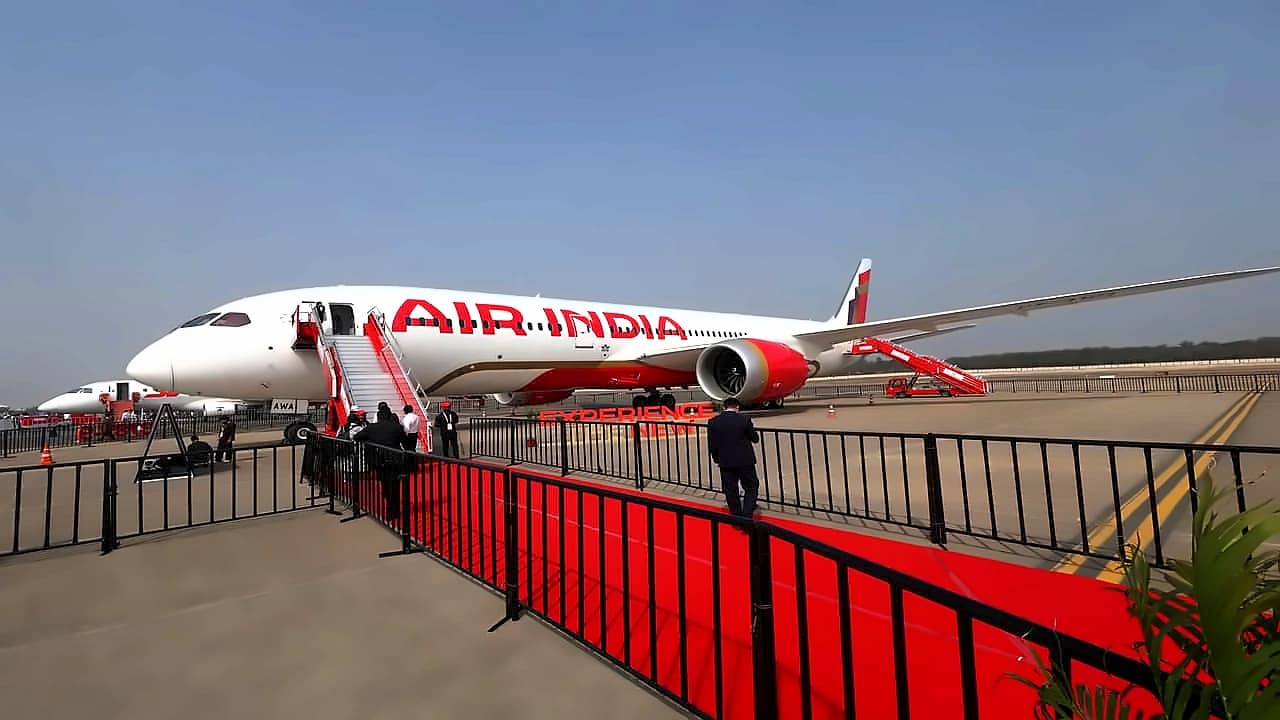
A Singapore Airlines spokesperson confirmed that its board would carefully consider any requests for additional capital from Air India, weighing the group's other capital requirements and the Indian airline's business strategy. According to Reuters, Tiong has also filed a question for oral answer in parliament on September 8, asking the transport minister whether losses from and the carrying amount in Singapore Airlines' foreign associates have been assessed against its capacity to provide essential transport services. He further asked whether the losses triggered the notification duty associated with SIA's designated status under the Civil Aviation Authority of Singapore Act. This brings political scrutiny to what has been a commercial decision for Singapore Airlines, whose 25.1% stake in Air India has weighed on its earnings as the Indian carrier's losses widened. The comments bring political scrutiny in Singapore to what has been a commercial decision for Singapore Airlines, whose 25.1% stake in Air India has weighed on its earnings as the Indian carrier's losses widened.
Air India has faced significant operational challenges, including Pakistan's airspace ban on Indian carriers, disruptions to its international network from the U.S.-Israeli war with Iran, and the fallout from a crash last year that killed 260 people. As reported by Reuters, ahead of its annual general meeting last month, the Securities Investors Association (Singapore) had asked whether the Singapore Airlines board had set capital allocation limits for Air India and under what circumstances it would approve additional capital. In a written response on July 17, Singapore Airlines did not provide a limit, stating only that its board would carefully consider any requests while taking into consideration its other capital requirements and Air India's business strategy. It is not the first time the city-state's flag carrier has been queried about future funding for Air India. The airline's multibillion-dollar revamp has been under way since Tata took control of the former state-owned carrier in 2022.
Singapore Airlines' exposure to Air India has already resulted in significant financial losses, with the airline reportedly recording around S$1.3 billion ($780 million) in operating losses linked to the investment over the past two years. According to Reuters, SIA invested in Air India in November 2024 following the merger of Vistara with the Indian carrier, subsequently contributing an additional S$822 million in 2024 and injecting another S$167 million the following March, taking its total capital investment to about S$989 million. The proposed funding round could therefore further increase scrutiny over the Singapore airline's long-term commitment to Air India. SIA also reported its first quarterly net loss since 2022, despite achieving record revenue, with higher jet fuel costs, partly linked to the US-Iran conflict, and Air India's weak financial performance contributing to the result. Tiong noted that SIA had reported a loss in the previous quarter despite recording record revenue, highlighting the ongoing financial challenges facing the Singapore carrier.