Singapore Airlines is facing fresh scrutiny over its $1.5 billion Air India funding commitment following the carrier's combined losses of $2.33 billion for FY2026. During Tuesday's parliamentary debate, Transport Minister Jeffrey Siow clarified that 'Air India's losses do not automatically become SIA's liabilities' and emphasized that the capital request does not oblige SIA to provide the requested funds. SIA has confirmed that its investments in India, including its 25.1% stake in the enlarged Air India Group, are funded through internal resources and will continue to be so as a long-term strategic commitment. The airline's spokesperson stated that any additional capital request would be assessed against Air India's business strategy, SIA Group's operating cash flow and its own investment requirements.
SIA's financial statements reveal the scale of its Air India investment impact, with the carrying amount of its Air India investment at S$1.1346 billion as of March 31, 2026. During FY2025/26, SIA recognized S$945.2 million as its share of Air India's losses, contributing to a 57.4% decline in net profit to S$1.184 billion. However, SIA's operating performance remained robust with a full-year operating profit of S$2.375 billion, up 39% from the previous year, and operating profit in the second half rose 72% year-on-year to S$1.572 billion. The airline maintains S$10.48 billion in cash reserves as of June 30, 2026, with Singapore's Transport Ministry confirming more than S$10 billion in cash reserves and over S$3 billion in undrawn credit facilities.
Singapore Airlines is expected to seek greater board voting power and requirements for Air India to narrow its losses before approving any fresh capital injection into the Indian carrier. According to reports from Live Mint, the airline, backed by state investor Temasek Holdings, is expected to negotiate these conditions with Tata Sons, Air India's majority owner. The proposed terms would give Singapore Airlines greater influence over management and stronger governance rights before approving additional investment. Temasek would neither provide the capital itself nor intervene in the carrier's decisions concerning Air India, with the onus for setting safeguards and performance targets lying with Singapore Airlines. This development comes after Reuters reported that Air India was seeking about $1.5 billion in fresh equity from its owners.
Singapore Airlines has confirmed that its investments in India, including its 25.1% stake in the enlarged Air India Group, are funded through internal resources amid increased parliamentary scrutiny and racist abuse. Senior Minister K. Shanmugam revealed over the weekend that news of the funding request had prompted anti-Indian abuse online, including suggestions that Temasek chief executive Dilhan Pillay Sandrasegara favoured Air India because of his Indian ethnicity. Shanmugam called such comments 'libellous' and emphasized that the CEO was 'as Singaporean as anyone else'. The minister has asked police to examine those comments and separate remarks about Singaporeans missing in flash floods abroad. Prime Minister Lawrence Wong has also condemned the abuse, stating that seemingly legitimate arguments should not be used as cover for prejudice against any community or hostility towards foreigners.
Singapore's transport minister has strongly backed Singapore Airlines' decision to invest in Air India, emphasizing the necessity for overseas growth given the constraints of the local market. Responding to parliamentary questions, Transport Minister Jeffrey Siow said Singapore Airlines is a listed company that finances its investments from its own balance sheet and has not sought additional capital from its shareholders. The minister noted that 'many overseas investment returns will not necessarily emerge immediately' and that whether the Air India investment ultimately delivers expected returns would be a matter for Singapore Airlines and its shareholders to assess. Minister Siow emphasized that Singapore Airlines has not sought further capital from its shareholders, and if it were to do so, that would be a commercial matter between the company and its shareholders. The investment represents a significant long-term strategic commitment aimed at enhancing SIA's global presence through a multi-hub strategy.
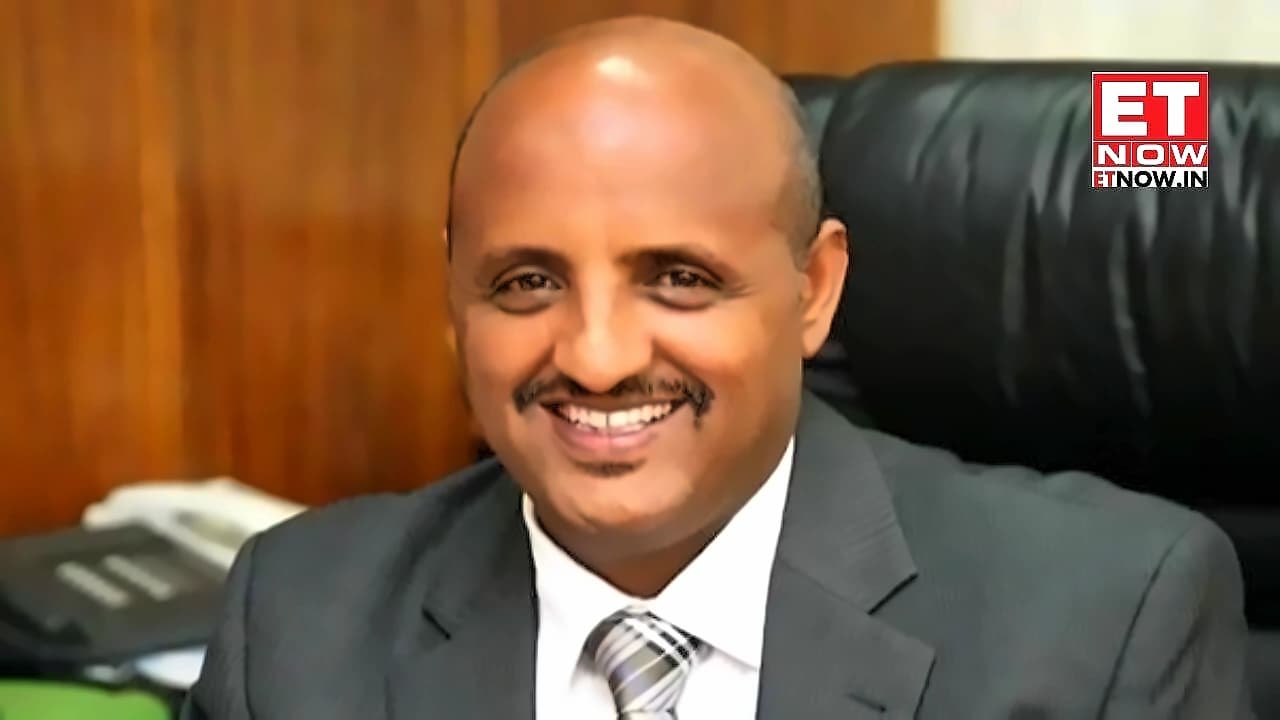
SIA acknowledged that Air India's transformation is a complex, multi-year programme that is not expected to be linear. According to the airline's spokesperson, challenges include the prolonged closure of Pakistani airspace to Indian carriers, the Air India crash last year that killed 260 people, rupee depreciation against the US dollar, supply chain disruptions, and sustained high fuel prices. However, Air India has made tangible progress, with its net promoter score increasing by more than 70 points since November 2022. In May, the carrier received a four-star airline rating from Skytrax, while Air India Express was certified as a four-star low-cost airline. The spokesperson described these ratings as 'on par with leading international carriers' and noted that SIA and Tata Sons have both publicly acknowledged that there is still much work to be done. Air India has appointed former Ethiopian Airlines head Tewolde Gebremariam as its new CEO to replace former Singapore Airlines executive Campbell Wilson, marking a significant leadership change in the carrier's turnaround efforts.