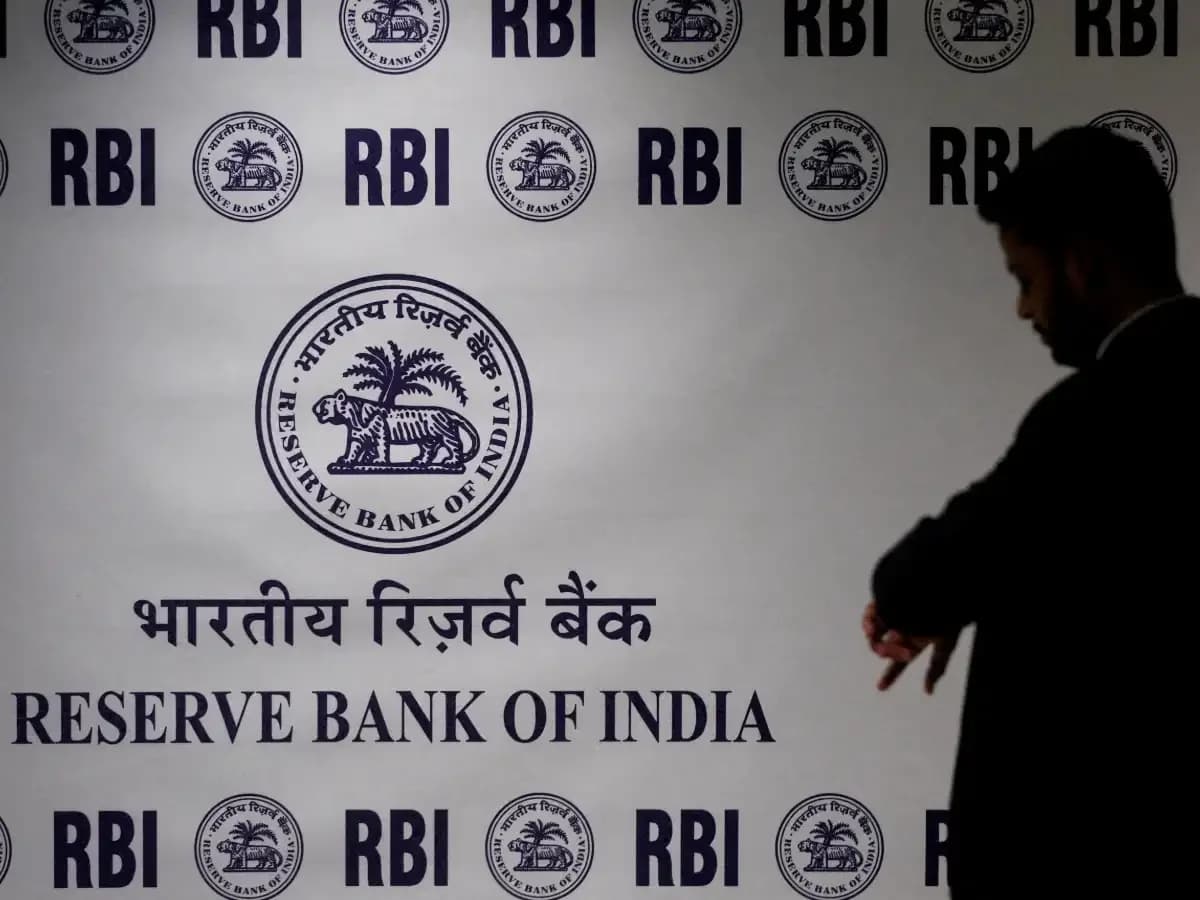
RBI Governor Sanjay Malhotra has reiterated the central bank's position that upper-layer non-banking financial companies (NBFCs) are mandatorily required to be listed on stock exchanges, speaking at the NDTV World Summit 2026. In his first public comment since the RBI rejected Tata Sons' bid to shed its non-bank lender status, Malhotra left little doubt that the Tata Group holding company must list publicly as long as it remains classified as an upper-layer NBFC and core investment company (CIC). As reported by The Times of India, Malhotra explained that NBFCs and CICs are required to be registered with the RBI because of systemic risks, noting that such companies can pose systemic risks as they sit at the top of corporate groups, raise funds and use balance sheets of group companies to manage or repay those funds. The RBI Governor clarified that there is an exception for CICs that do not have direct or indirect access to public funds, but entities with direct access to public funds fall within the upper layer of the regulatory framework and are expected to comply with applicable rules.
The latest developments come amid significant internal divisions within the Tata Group over the listing strategy for Tata Sons. According to ZeeBiz, certain trustees favour listing to comply with RBI regulations and fund new capital investments, while Tata Trusts Chairman Noel Tata is exploring alternatives to avoid a public listing. Tata Sons seeks to remain private, arguing that paying off its debt eliminates public fund exposure and has applied to surrender its CIC registration to avoid the RBI's mandatory listing rules. However, Tata Trusts, led by Chairman Noel Tata, opposes listing Tata Sons to preserve its 66% ownership control, maintain private governance and prevent dividend income from being diluted by public shareholders. The conglomerate's 18.4% stake held through Sterling Investments Corporation and Cyrus Investments remains a key consideration in the ongoing discussions.
In a significant development, Tata Trusts Chairman Noel Tata has proposed merging two Tata Sons subsidiaries with the holding company, a move that could help it sidestep a stock market listing. As reported by The Times of India, Malhotra declined to be drawn into the question of this proposal, which could help Tata Sons avoid the mandatory listing requirements. The proposal represents an alternative strategy to the SP Group's buyback proposal, as both approaches aim to unlock value from the conglomerate's investment structure while maintaining private control.
The Shapoorji Pallonji (SP) Group has urged Tata Sons to prioritise a proposal to buy back shares worth around ₹25,000 crore at its next board meeting, as the debt-laden conglomerate looks to raise funds to repay its borrowings. According to reports from The Economic Times, the proposal was placed before the Tata Sons board by Tata Trusts chairman Noel Tata at its previous meeting and remains on the table. The SP Group is seeking to monetise part of its 18.4% stake in Tata Sons, held through Sterling Investments Corporation and Cyrus Investments, to generate funds for debt repayment. The group has not withdrawn the proposal, with officials close to the matter confirming that the RBI's subsequent directive requiring Tata Sons to pursue a listing has not changed the SP Group's need to unlock value from its investment.
Last month, the RBI rejected Tata Sons' application to surrender its non-banking finance company licence, bringing the holding company closer to a possible public listing. As reported by Banking Standard, the central bank classified Tata Sons as an upper-layer NBFC in 2022, following which it had three years until 2025 to list on the exchanges. However, the RBI retained Tata Sons on its upper-layer NBFC list despite the conglomerate paying off its debt and applying to deregister as an NBFC. Under the RBI's rules, upper-layer NBFCs are required to list their shares on stock exchanges, with Malhotra clarifying that "As long as it's an NBFC within our definition, it's a CIC, it has access to funds, direct or indirect, it's required to be registered, and if it is in the upper layer, then it is required to list." The development comes at a time when the conglomerate is grappling with internal divisions over whether its holding company should list on Dalal Street, with Malhotra's latest comments suggesting that Tata Sons is in breach of RBI rules and that the consequences of continued noncompliance remain unclear.