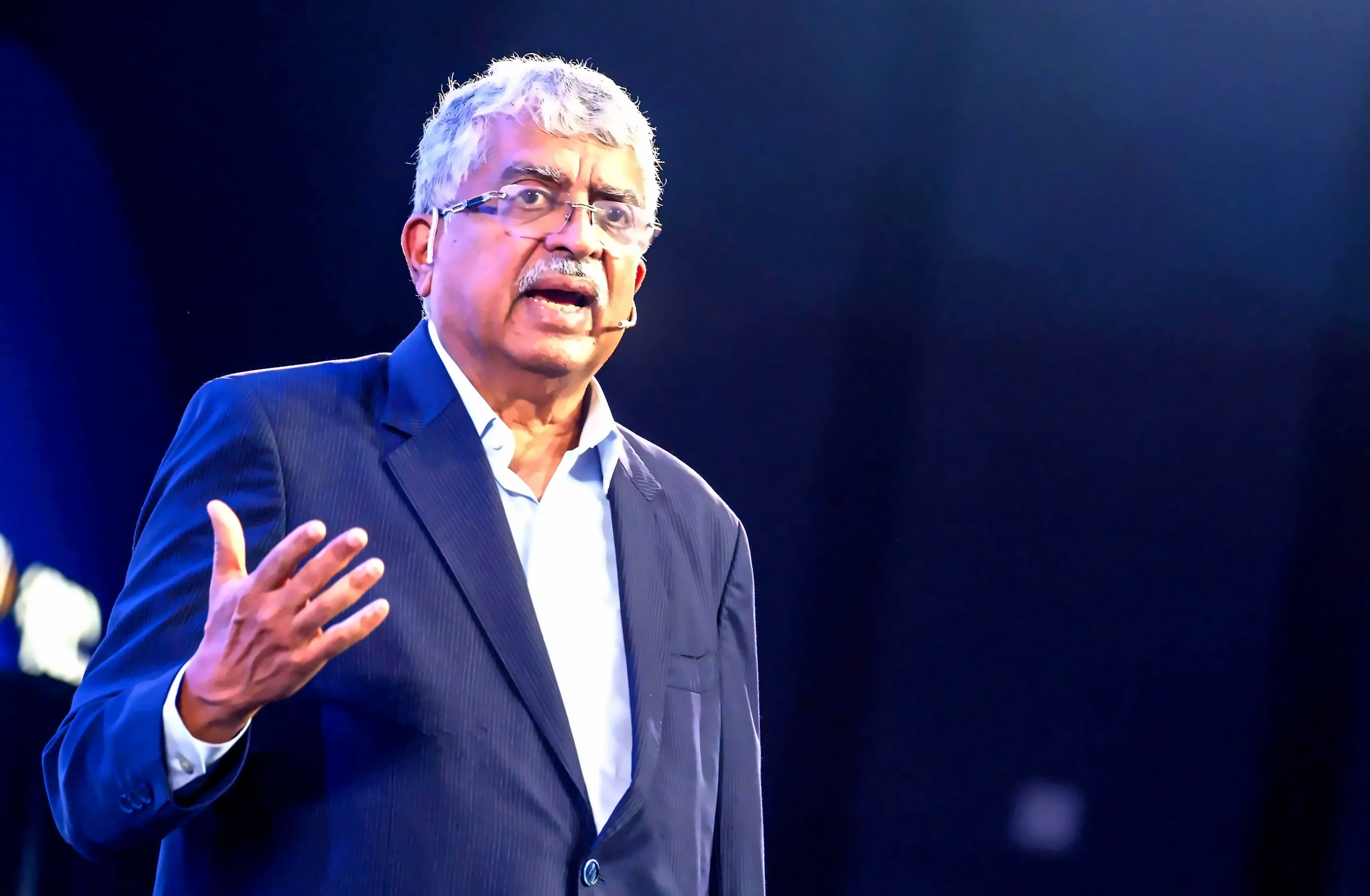
Tata Trusts Chairman Noel Tata has urged the Tata Sons board to review a restructuring proposal to avoid a stock market listing of the holding company. According to IANS, Noel said that he remains hopeful that the Reserve Bank of India will reconsider its decision to classify Tata Sons as an upper-layer non-banking financial company. Listing Tata Sons would fundamentally change the way the Tata group has operated for decades and could create a conflict between investor expectations for profits and the philanthropic objectives of Tata Trusts, as reported by IANS. Tata Trusts -- which owns 66% of Tata Sons -- has proposed merging Tata Electronics Systems Solutions and Tata Consulting Engineers with Tata Sons, a decision that would give Tata Sons its own operations and revenue, potentially allowing it to avoid classification as an NBFC or core investment company.
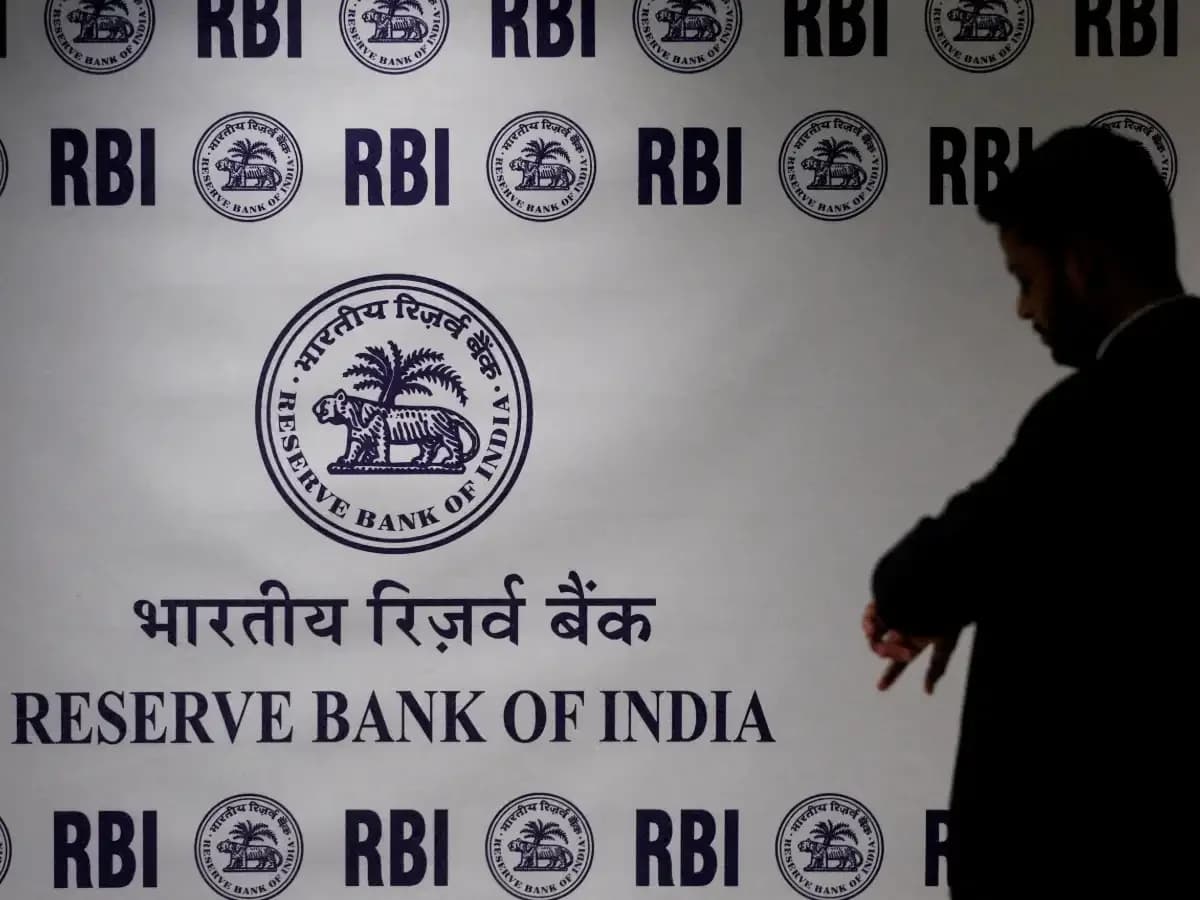
Noel Tata's ambitious plan to keep Tata Sons private faces five formidable obstacles, with the Reserve Bank of India emerging as the steepest hurdle after rejecting the group's application to surrender its Core Investment Company (CIC) status. According to The Times of India, success depends on winning over his own trustees, a divided Tata Sons board, the central bank, an aggrieved minority shareholder and a 75% vote he cannot yet count on. The board is currently split 5:1, with the majority viewing a listing as the simplest route to compliance, while Noel can seek a board meeting to consider the plan, but he needs the backing of fellow Trusts nominee director Venu Srinivasan. The regulator's rejection keeps alive the requirement to comply with upper-layer NBFC-CIC rules, including listing, even though Tata Sons had repaid more than ₹30,000 crore of debt.
The largest minority shareholder in Tata Sons, the Shapoorji Pallonji (SP) Group, has long advocated a listing to unlock value, and scrapping the prospect of an IPO could prompt SP to challenge the restructuring before the NCLT as oppressive to them. According to The Times of India, if Tata companies and SP, which holds an 18% stake, both vote against, the restructuring resolution fails. The proposed amalgamation would create an entity with ₹1.05 trillion of operating revenue, accounting for 64.3% of total income, versus ₹40,072 crore of income from financial assets. Net assets would be ₹2 trillion, with group-company investments of ₹1.77 trillion, below the 90% CIC threshold. TESS reported standalone revenue of ₹67,542 crore in FY26 with a profit of ₹1,025 crore, while TCE reported standalone revenue of ₹1,932 crore and profit of ₹226 crore in FY26. If the Tata Sons board and RBI approve the proposal, the merger could take about 12-18 months to become effective.
Noel Tata was the lone dissenting voice when the Tata Sons board voted earlier in September to prepare for a listing and to give Chairman N Chandrasekaran a fresh five-year term. According to IANS, he described the board's decision to reappoint Chandrasekaran as chairman as illegal. Tata Sons was placed on the RBI's upper-layer NBFC list in September 2022 and was given three years to list. The company subsequently cleared its debt and applied in 2024 to surrender its core investment company status and remain private, but the central bank rejected the application earlier this month and asked the company to comply with the applicable norms. The Trusts collectively own 66% of Tata Sons, but SRTT with 24% cannot currently vote on the merger because of the regulatory restriction, making Tata companies, which hold 13%, pivotal as the resolution requires 75% of shareholders to approve it.
Tata group stocks dropped nearly 1% on Tuesday, dragged down by Titan and Tata Consultancy Services (TCS) amid a volatile broader market and growing uncertainty over Tata Sons' listing. According to The Financial Express, Tata Chemicals led the decline, with its share price falling as much as 5% intraday before paring some losses, closing 4.20% lower at ₹614.70. Tata Investment Corporation declined 3.5% intraday, Tata Motors Passenger Vehicles fell 3.4%, and Tata Power dropped 2.2%. Shares of Shapoorji Pallonji group companies, including Afcons Infrastructure and Sterling and Wilson Renewable Energy, also came under pressure, declining 2.61% and 1.64% intraday, respectively. The Nifty 50 stood at 22,716.20, down 0.28% from 22,780.25, highlighting the broader market impact of the ongoing restructuring concerns. TCS closed 1.85% down at ₹2,032.4, and Voltas dropped 4.01% to ₹1,090, the index's most expensive stock with a price-to-earnings ratio of 99.96.
S&P Global Ratings has confirmed that Tata Sons' potential listing and leadership transition are unlikely to impact credit ratings immediately but may affect strategy continuity long term. According to The Financial Express, S&P stated that "Any changes in the Tata Group's financial policies are likely to be gradual. A potential listing of holding company Tata Sons and leadership transition at the group would therefore have no immediate impact on our ratings on group entities." The ratings agency noted that the salt-to-semiconductor group has a conservative management approach, with S&P viewing the rated entities as run by independent professional management teams, although Tata Sons does influence their strategy. S&P currently rates Tata Steel, Tata Motors, Tata Power, Tata Power Renewable Energy, Tata Capital and Jaguar Land Rover Automotive at investment grade, with Tata Motors Passenger Vehicles and JLR carrying negative outlooks. The agency considers the rated companies to be strategically important to Tata Sons, resulting in up to three notches of support, though leadership transition or changes in group structure may raise questions around strategy continuity and group support over the longer term.