Indian automobile manufacturers delivered their best-ever September performance with vehicle retail sales jumping 31.82% year-on-year to a record 25.36,920 units, according to the Federation of Automobile Dealers Associations (FADA). As reported by Zee News, this represents the best-ever September in Indian auto retail, with the growth needing to be viewed against a low base as buyers had deferred purchases in September last year ahead of GST 2.0 implementation on September 22, 2025. FADA President Sai Giridhar noted that "September'26 was the best-ever September in Indian Auto Retail," while the cleaner signals were the record performance across five of the six categories. September sales were 4.69% higher than August, with five of the six major vehicle categories posting their best-ever September performance. The industry also recorded its best-ever first half of FY27 with retail sales of 1,55,12,319 units, up 20.77% year-on-year, as reported by Zee News.
Maruti Suzuki delivered impressive results with total sales of 2.36 lakh units, representing a 24% year-on-year increase and slightly exceeding the estimated 2.38 lakh units. As reported by Essential Business Intelligence, domestic sales surged 30% to 1.91 lakh units, while exports grew 5% to 44,219 units. Tata Motors also performed well with passenger vehicle sales reaching 70,210 units, up 15% year-on-year, surpassing the estimated 66,667 units. Hyundai Motor India reported total sales of 77,916 units, up 10.8% year-on-year, with domestic sales growing 10.9% to 57,166 units and achieving its highest-ever monthly sales. Passenger vehicle retail sales increased 32.10% to a record 4,27,213 units, while two-wheeler sales rose 33.08% year-on-year to 17,90,188 units. According to FADA, alternative-fuel vehicles accounted for 41% of passenger vehicle retail sales in September, almost matching petrol vehicles at 41.27%, while electric vehicle penetration in passenger vehicles rose to 8.45%. However, VAHAN data showed around 1.60 lakh Maruti registrations during September, up roughly 20% year-on-year but lower than August registrations, indicating potential inventory buildup concerns around the festive season.

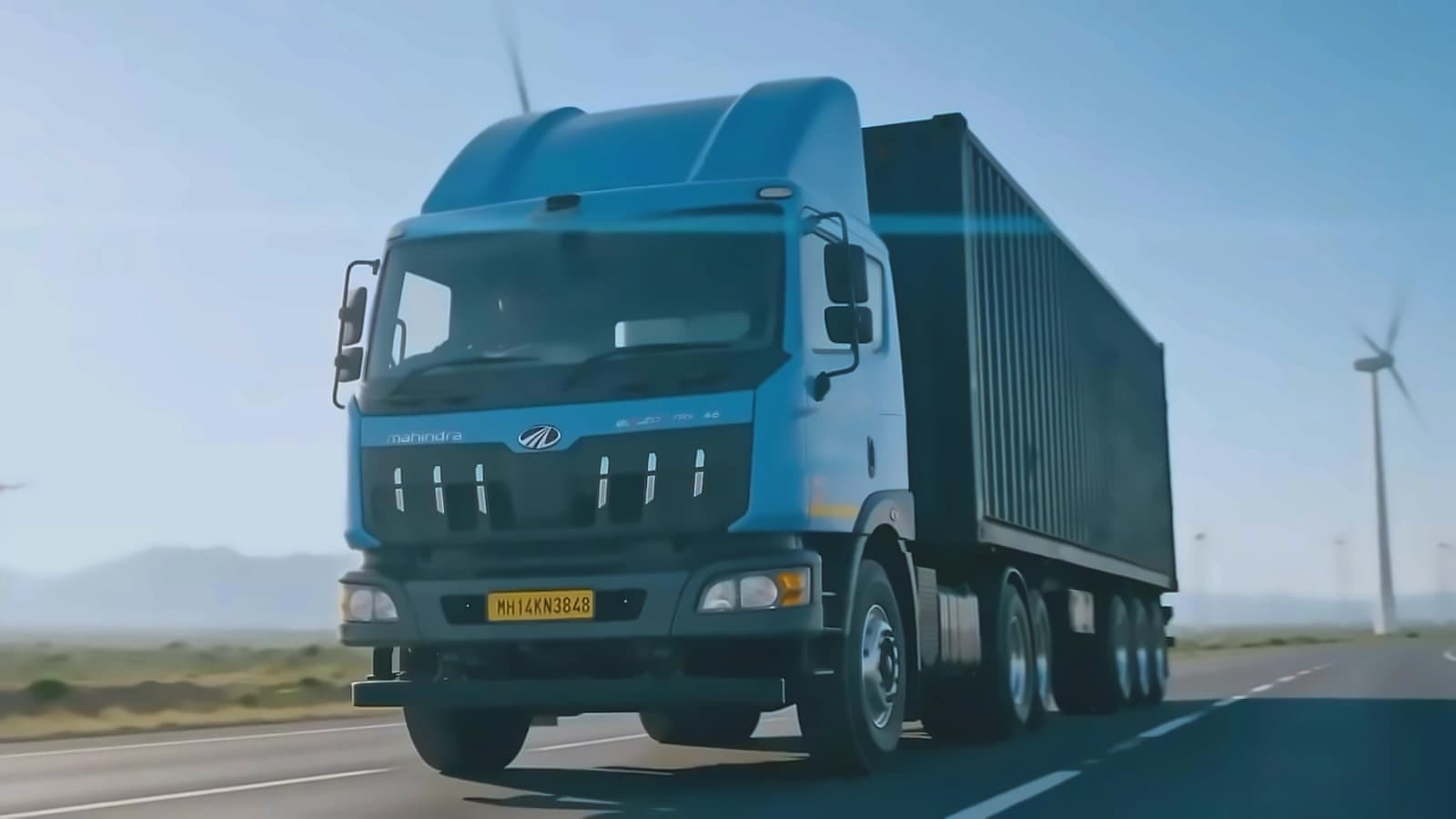
The commercial vehicle segment achieved a significant milestone with commercial vehicle retail sales crossing the one-lakh mark for the first time in September at 1,03,557 units, representing a 37.62% jump year-on-year. Ashok Leyland reported total sales of 24,049 units, up 28% year-on-year, while Tata Motors commercial vehicle sales reached 51,062 units, representing a 42.4% increase. Three-wheeler sales rose 22.25% to 1,32,570 units, and wheeled construction equipment sales increased 38% to 6,486 units. However, tractor manufacturers faced significant headwinds, with Mahindra & Mahindra's tractor sales declining 21% to 52,100 units year-on-year, while Escorts Kubota saw total sales fall 17% to 15,214 units. Tractor sales grew 13.75% to 76,906 units*, though they declined 12.58% from August, making the segment the only major category to witness a sequential fall.
The electric vehicle segment showed exceptional momentum with total EV retail sales across categories touching an all-time monthly high of around 3.34 lakh units in September, taking overall electric vehicle penetration to about 13%. TVS Motor's two-wheeler EV sales more than doubled to 65,799 units year-on-year, while Steel Strips also reported robust performance with 52% overall sales growth and 22% volume increase. For Bajaj Auto, the divergence between a 9% fall in domestic sales and a 32% jump in exports tells investors much more about where the company's current growth is actually coming from, with the stock-market reaction reflecting concerns about domestic market weakness despite overall sales growth. According to FADA, 75.57% of dealers expect growth this month in October, while 63% of dealers already have booking pipelines building up for the upcoming festive season. However, Giridhar from FADA highlighted that EV demand is outpacing supplies, with several electric car models carrying waiting periods and supply constraints particularly visible in passenger vehicles due to imported components and shipping bottlenecks.
Dealers are now flagging price hikes as a significant risk to the industry's momentum, with FADA warning that price increases could wipe out the benefit of last year's GST cut and potentially slow sales just as the festive season begins. As reported by Mint, 75.57% of dealers expect growth in October compared with 67.09% who had expected growth in September, with 19.46% expecting the market to remain flat and only 4.98% foreseeing a decline. FADA President Sai Giridhar noted that "the silver lining out here is that, apart from the price hikes, there are consumer offer schemes. Because in the last year, when there were price reductions, the consumer offers were practically eroded." Nuvama Institutional Equities analysts have also cautioned about moderation in rural demand due to rainfall deficits and demand impact from price increases across categories. Despite these concerns, dealers expect October to deliver the festive pick-up that September deferred, with Navratri scheduled for October 11-20 and Pitru Paksha running into the first part of October. For October-December, 78.28% of dealers expect growth, while 17.65% expect a flat market and about 4% anticipate a decline. The industry has expected that demand deferred during "Pitru Paksha" to convert into deliveries during Navratri and Dussehra, with FADA describing the near-term outlook as cautiously optimistic.