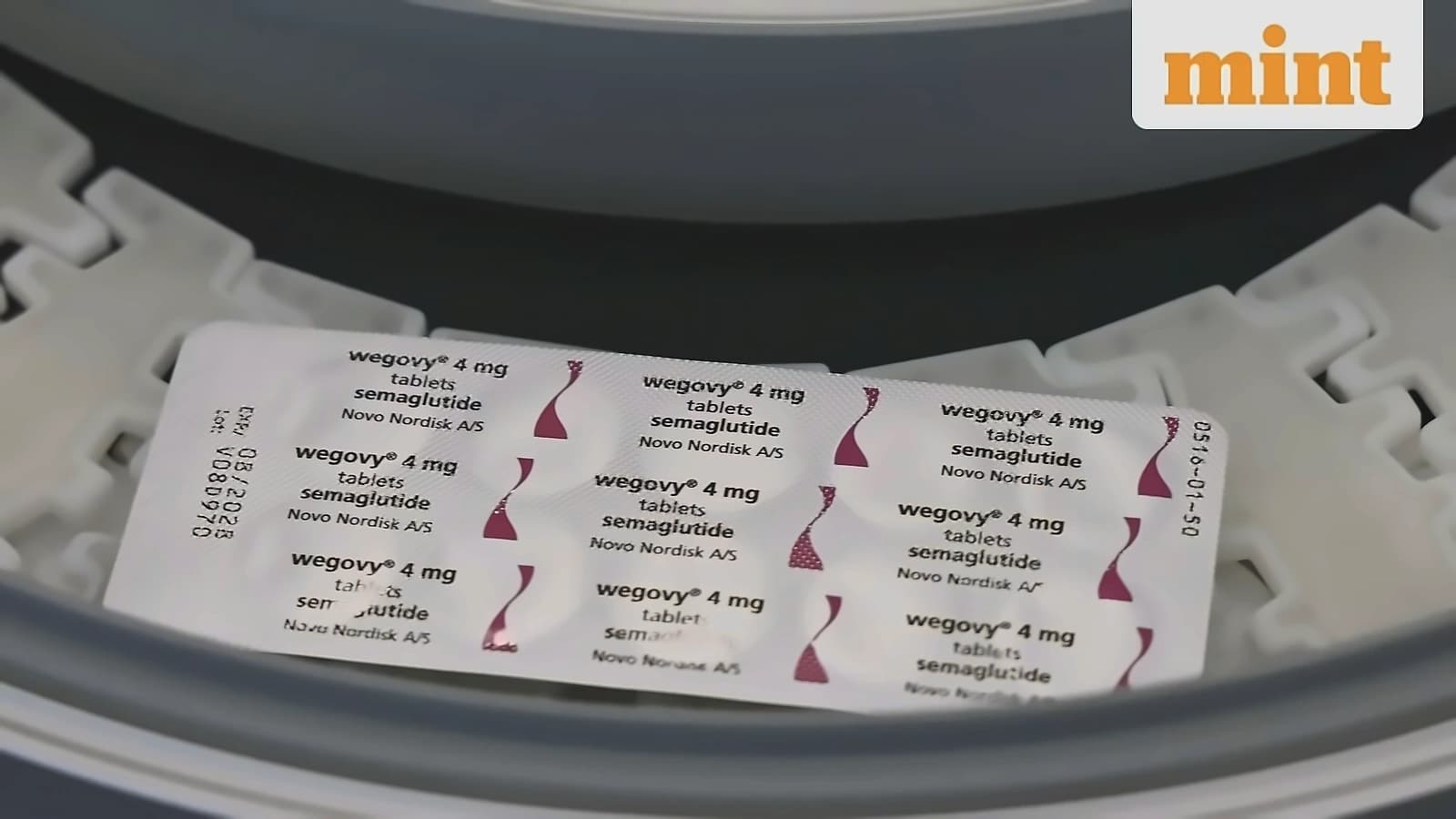
Six months after semaglutide lost patent protection in India, generic brands now account for about 74% of monthly units as lower-priced products expand access. According to reports from Business Standard, total semaglutide volumes across injectable and oral formulations rose from 114,000 units in February to about 434,000 units in September. The value increased from ₹48 crore to ₹113 crore over the same period, indicating that volumes have grown substantially faster than value as patients shift towards cheaper generic products. India's GLP-1 market was worth ₹2,055 crore in the 12 months to June 2026, up 238%, with generic semaglutide making up a significant portion of this growth.
Monthly semaglutide sales rose about 175% from March to September, driven by a sharp increase in prescriptions after lower-priced generic versions made treatment more affordable. As reported by Business Standard, the sharpest expansion came in April, the first full month after the March 20 patent expiry, when monthly volumes jumped 88%, following a 38% increase in March. Growth subsequently moderated to 12% in May and 4% in June, before rising 18% in July. Volumes were broadly flat in August and rose 7% in September. The sustained growth pattern reflects the market's adaptation to affordable generic alternatives.
The shift is particularly pronounced in injectables, where injectable semaglutide volumes rose from 63,000 units in March to 273,000 units in September, including an 11% increase over August. Generic injectables accounted for about 230,000 units, or 84%, of September's injectable volumes, compared with 43,000 units for innovator products. According to Pharmarack's data, the faster increase in units than value reflects the impact of lower-priced generics, with volumes about 3.8 times February levels by September while value was about 2.4 times higher. Dr. Reddy's priced its generic at ₹4,200 a month when it launched in India on March 21, 2026, the day after the patent expired.
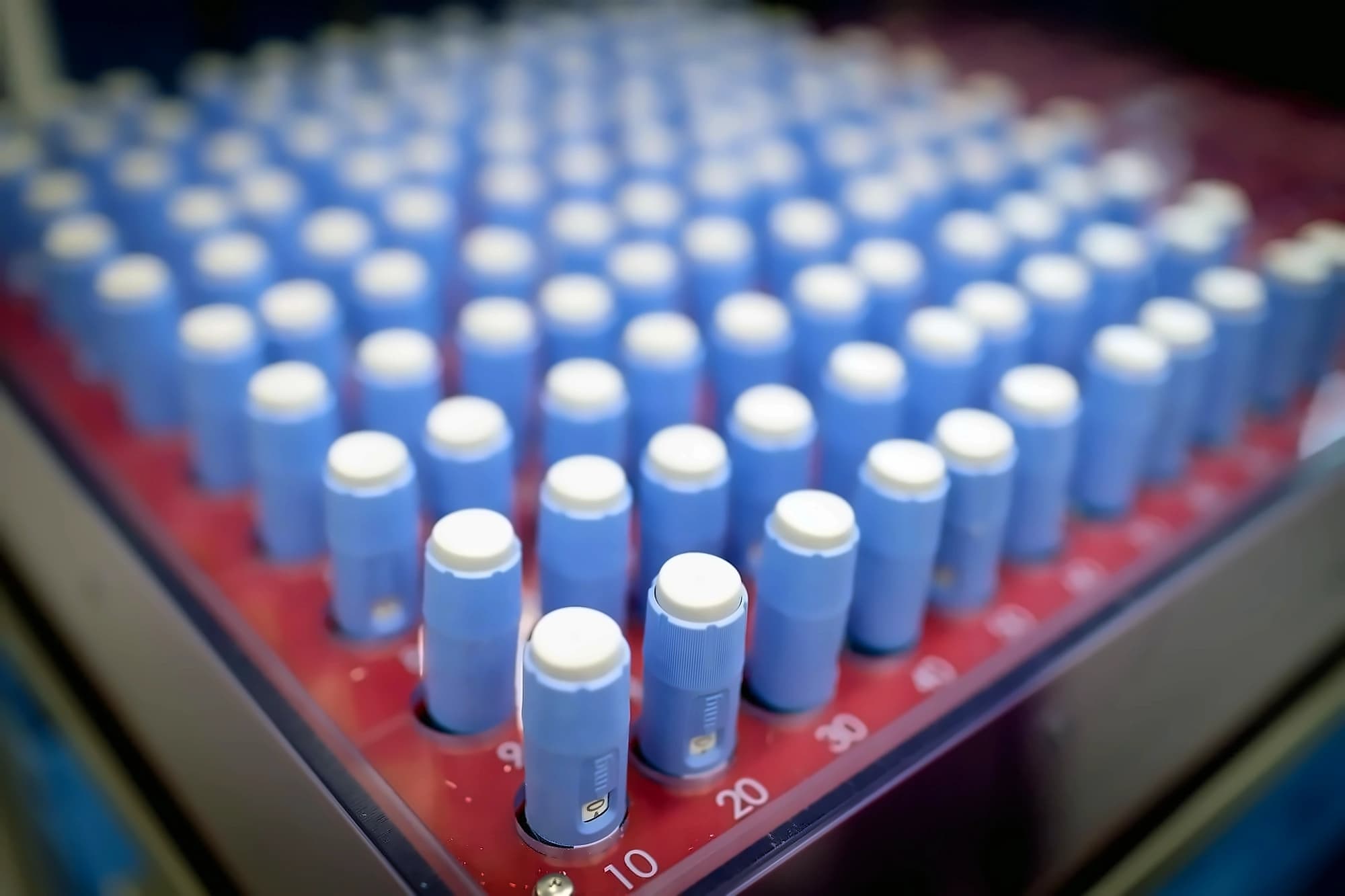
Doctors are reporting a similar shift, with Aparna Govil Bhasker, consultant bariatric and laparoscopic surgeon at Saifee Hospitals, Mumbai, noting a definite rise in prescriptions since Indian versions entered the market. As reported by Business Standard, the lower prices of domestic products have made treatment accessible to a larger number of patients. However, Bhasker also noted that the initial excitement around the drug has eased, with requests driven purely by cosmetic concerns declining as use becomes more doctor-driven and patients become aware of potential side effects.
The changing demand pattern is visible in inventory levels, with semaglutide inventory standing at 16 days in February before patent expiry, but increasing to 25 days in March and April and peaking at 26 days in May as companies adjusted to generic products. According to Pharmarack's data, inventory subsequently declined to 24 days in June, 27 days in July and 23 days in August. Nirali Shah, research analyst at Ashika Investment Managers, said the initial concern that inventory build-up could be masking underlying demand has now eased, with the market moving from a 'buzz phase' to a 'prescription habit phase'. The market stabilization reflects the normalization of generic competition and patient adoption patterns.