RPG Life Sciences has embarked on a significant expansion phase backed by a committed capital infusion of ₹700 crore, with ₹500 crore to be deployed over the next 12 months to strengthen manufacturing and API capabilities through strategic acquisitions. As per Mint, Managing Director Ashok Nair confirmed that the company has more than ₹500 crore of capital available and is actively evaluating opportunities to strengthen its API business. The company has successfully completed its comprehensive API investment strategy, securing a ₹243.33 crore investment from healthcare-focused private equity firm InvAscent for a 40% stake in RPG Active Pharma Ltd (RPGAP). The acquisitions completed so far total approximately ₹200 crore, with the company actively pursuing additional good assets to strengthen its manufacturing footprint.
The acquisitions are part of RPG's strategic bet on the China-plus-one strategy, where customers want sourcing diversification and reduced concentration rather than complete dependence on any single supplier. As per Mint, Nair explained that "the conversations are not around India versus China" but emphasized that "India is well positioned to benefit from this trend, helped by government incentives." The company has grown from ₹200 crore to ₹700 crore in the last five years and is targeting to move to ₹1,000 crore soon. The aggressive acquisition pace, which saw ₹215 crore spent on two API makers in just five weeks, represents a significant shift from the group's traditionally conservative capital approach.
The acquisitions have substantially changed the scale of the business, with RPGAP's manufacturing capacity increasing from 110 KL to 505 KL, its product portfolio expanding from 14 to 45, and its customer base growing from 123 to more than 250. Employee strength has risen from 217 to over 500, while the research and development pipeline has expanded from 12 products to 28. The Raghava acquisition adds approximately 300 KL of installed capacity at its facility near Hyderabad, which is EU-GMP and WHO-GMP approved and holds regulatory credentials including Certificate of Suitability to the European Pharmacopoeia (CEP), EU Written Confirmation and Korea Drug Master File (KDMF) approvals. Actis and Raghava together generated about ₹70 crore in FY26 revenue, but RPG sees significant scope to scale this as it integrates the businesses and raises capacity utilisation.
RPG Life Sciences started FY27 on a strong footing, recording 16% revenue growth and 18% EBITDA growth in the first quarter, with EBITDA margin improving to 24.5% from 24.1%. As per Business Standard, the company's domestic formulation business represents 70% of total revenue, growing at 16-17% - almost 1.5 times faster than the market. Nair noted that the company would like to see API have a big play going forward, with the Indian API market valued at upwards of ₹1 trillion and growing at 8% annually. The company has set a target of reaching ₹2,000-2,500 crore in revenue by 2030, with the domestic formulation business focusing on super-speciality segments including nephrology, rheumatology, cardiology, and urology. RPG operates in over 60 countries excluding the US and is making entries into West Africa and the Saudi region.
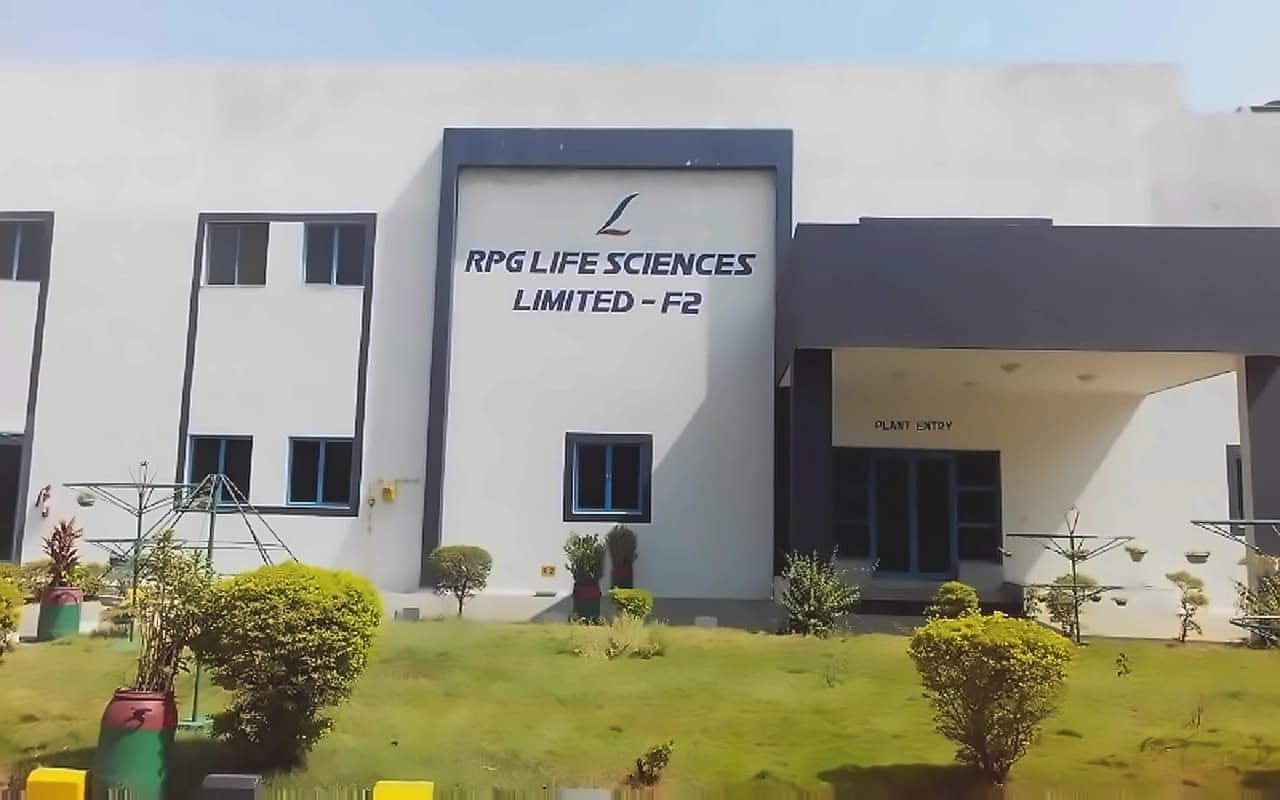
The comprehensive API investment strategy positions RPG Life Sciences for significant growth in the pharmaceutical manufacturing sector. The ₹243.33 crore InvAscent investment for a 40% stake in RPGAP combined with the ₹135 crore Raghava acquisition creates substantial capacity expansion and revenue potential. The combined acquisition cost for Actis Generics and Raghava Life Sciences totals approximately ₹215 crore, which represents roughly 88% of the ₹243.33 crore equity investment brought in by InvAscent. Raghava's 300 KL plant is substantially underutilised and its existing infrastructure could support around ₹200 crore of annual revenue at fuller utilisation without significant incremental capital expenditure. The company remains debt-free and plans to deploy capital towards further acquisitions, manufacturing expansion, product development and regulatory access, with the manufacturing capacity set to increase fourfold through these transactions.