State retailers Indian Oil, Bharat Petroleum, and Hindustan Petroleum have implemented four rounds of price hikes since mid-May after holding off earlier due to elections. Gasoline prices are now 7.8% higher while diesel prices are up 8.6% compared to pre-war levels. According to Business Standard, analysts say there could be more price increases that are likely to dampen demand further, given that retailers are still selling fuels below market rates and are losing a combined ₹5.5 billion ($57 million) daily. The weaker currency is compounding these pressures, with Prime Minister Narendra Modi urging people to save fuel by working from home, using public transport, and avoiding non-essential overseas travel.
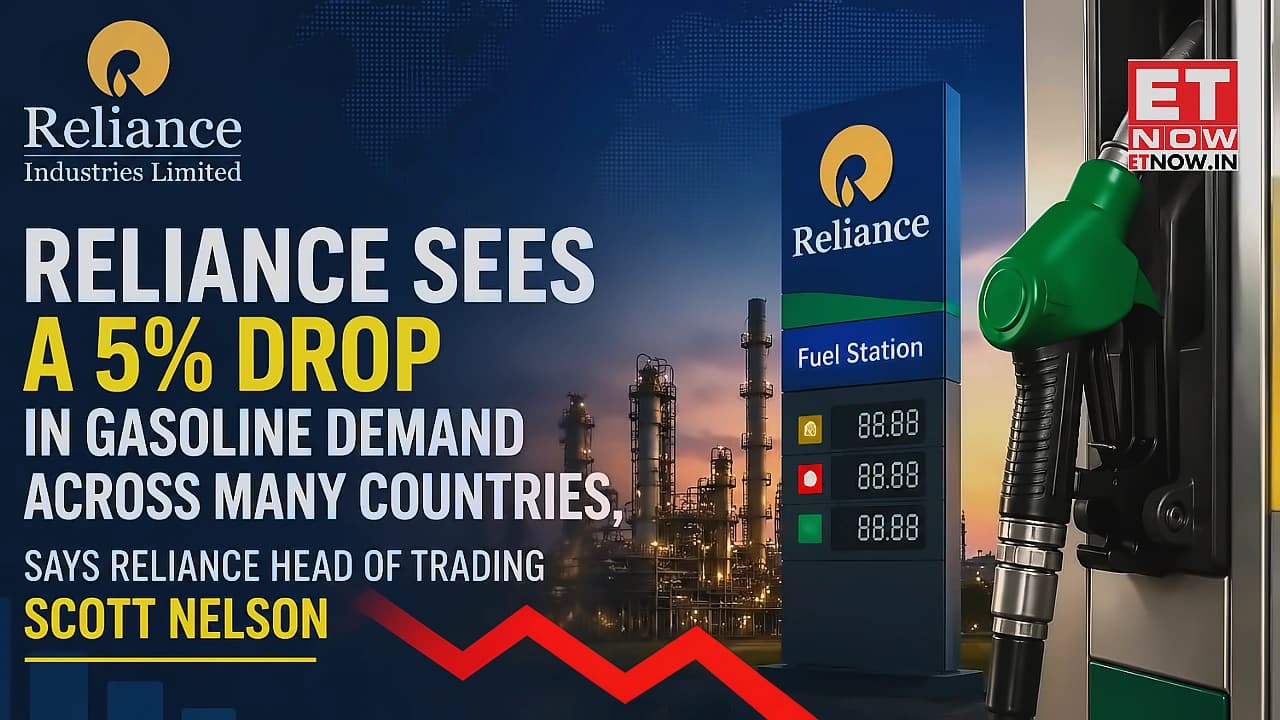
India's fuel demand growth is experiencing significant downward revisions across multiple forecasts. FGE NexantECA expects India's gasoline demand growth to drop to around 3.5-3.7% in 2026 amid reduced discretionary driving, compared with an earlier estimate of 4% growth. The consultancy has also cut its forecast for diesel demand growth to 2% from 2.5%. Moody's Indian rating arm Icra has revised down its forecast for gasoline demand growth for this financial year to 3-4% compared with 5-6% before the war, while expecting diesel demand to stay flat or shrink versus an earlier projection of 2-3% growth. As per Energy Aspects, the consultant has lowered its oil product demand growth forecast by around 140,000 barrels a day compared with its pre-war outlook, primarily on the huge disruptions to LPG.
Early signs of stress are visible in the trucking sector, with freight prices falling between 13-15% on three-quarters of key long-haul routes despite increased retail fuel prices. According to SP Singh, senior fellow at the Indian Foundation of Transport Research and Training, drivers are experiencing delays of 3-5 days due to manufacturing slowdowns, which is hitting their revenue as round trips per month have been reduced. Blue Energy Motors Founder and Managing Director Anirudh Bhuwalka believes the "next five years will witness one of the fastest transformations" in India's trucking industry, as diesel-dependent businesses become increasingly exposed to fuel price shocks. Blue Energy, a key manufacturer of EV and LNG heavy-duty trucks, has crossed a major milestone of 100 million kilometres of cumulative fleet operations across the country, helping reduce over 30,000 tonnes of carbon emissions equivalent to the carbon absorption of nearly 1.2 million trees. The milestone validates the shift toward cleaner freight mobility solutions as fleet operators actively seek sustainable alternatives that make sense operationally and commercially.
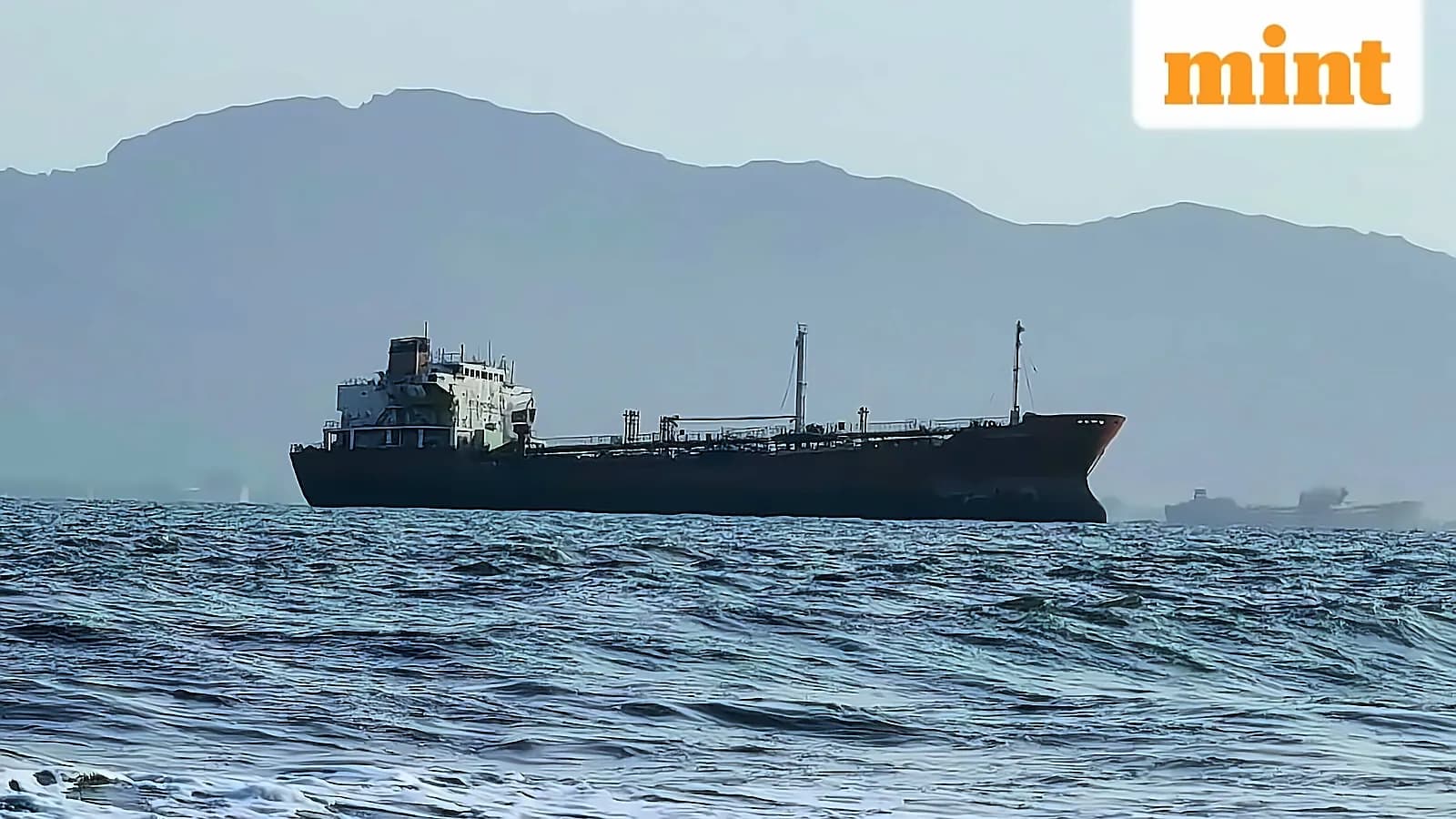
The Strait of Hormuz crisis has significantly escalated global energy costs, with global oil prices surging 40% to trade near $100 a barrel since the war restricted shipments. According to the United Nations Conference on Trade and Development (UNCTAD), nearly one billion people in 75 vulnerable economies face soaring oil import bills, inflation, and slower growth due to these disruptions. The crisis has created particular challenges for countries that rely heavily on imported fuel, with 65 of these nations being net oil importers and making them especially susceptible to increasing energy costs and supply chain interruptions. India's heavy reliance on imported crude and fuels has made it especially vulnerable to these price surges, with the conflict disrupting the Strait of Hormuz, which used to see a fifth of the world's oil supplies pass through before the conflict.
As reported by ET Now, the months ahead are likely to be crucial for energy giants as they seek to balance their highly profitable oil-to-chemicals business with ambitious clean-energy plans. The current Strait of Hormuz crisis has intensified these challenges, as companies must now navigate both declining demand trends and elevated input costs. Analysts expect the slowdown to be temporary rather than structural, with India expected to rely heavily on gasoline and diesel for a much longer period compared to China's rapid electrification. "We would characterize the impact as a temporary drag on growth rather than permanent demand destruction," said Stuti Jhunjhunwala, a India-based oil market analyst at Energy Aspects. The consultant expects limited impact on diesel and gasoline demand, noting that retail price increases have been relatively well controlled versus global market moves.