India's quick-service restaurants are bracing for a challenging 2026-27 after experiencing weak demand in FY26. According to reports from Mint, Jubilant FoodWorks Ltd, India's largest QSR operator and franchisee of Domino's Pizza, warned that looming headwinds and inflationary pressures across energy, labour and commodities could squeeze margins in the coming quarter. Energy-related costs alone could shave 100-120 basis points off margins, while higher minimum wages and new labour regulations could add further pressure, as stated by Sameer Khetarpal, managing director and chief executive of Jubilant FoodWorks.
After spending much of FY26 driving traffic through affordability measures and promotions, QSR chains now must balance sustaining demand with rising operating costs. As reported by Mint, Jubilant FoodWorks spent much of FY26 chasing growth and market share through affordability measures such as lowering the minimum order value for deliveries from ₹149 to ₹99. Experts suggest that lower-priced meals and combo offers are likely to remain central to growth strategies as consumers become more price-sensitive. Low-priced stock keeping units will help drive online volume growth and increase order volumes, according to Madhur Singhal, managing partner at Praxis Global Alliance.
For FY26, Jubilant FoodWorks reported a consolidated net profit of ₹444.24 crore (up ~104% year-on-year) and consolidated revenue from operations of ₹9,512.51 crore (up ~17.4% on-year). However, shares of Jubilant fell as much as 8% on Thursday as Domino's Pizza reported like-for-like growth of 6.5%, down from 7.5% the year before. The company's like-for-like growth refers to revenue growth of mature restaurants that were open before the previous fiscal year.
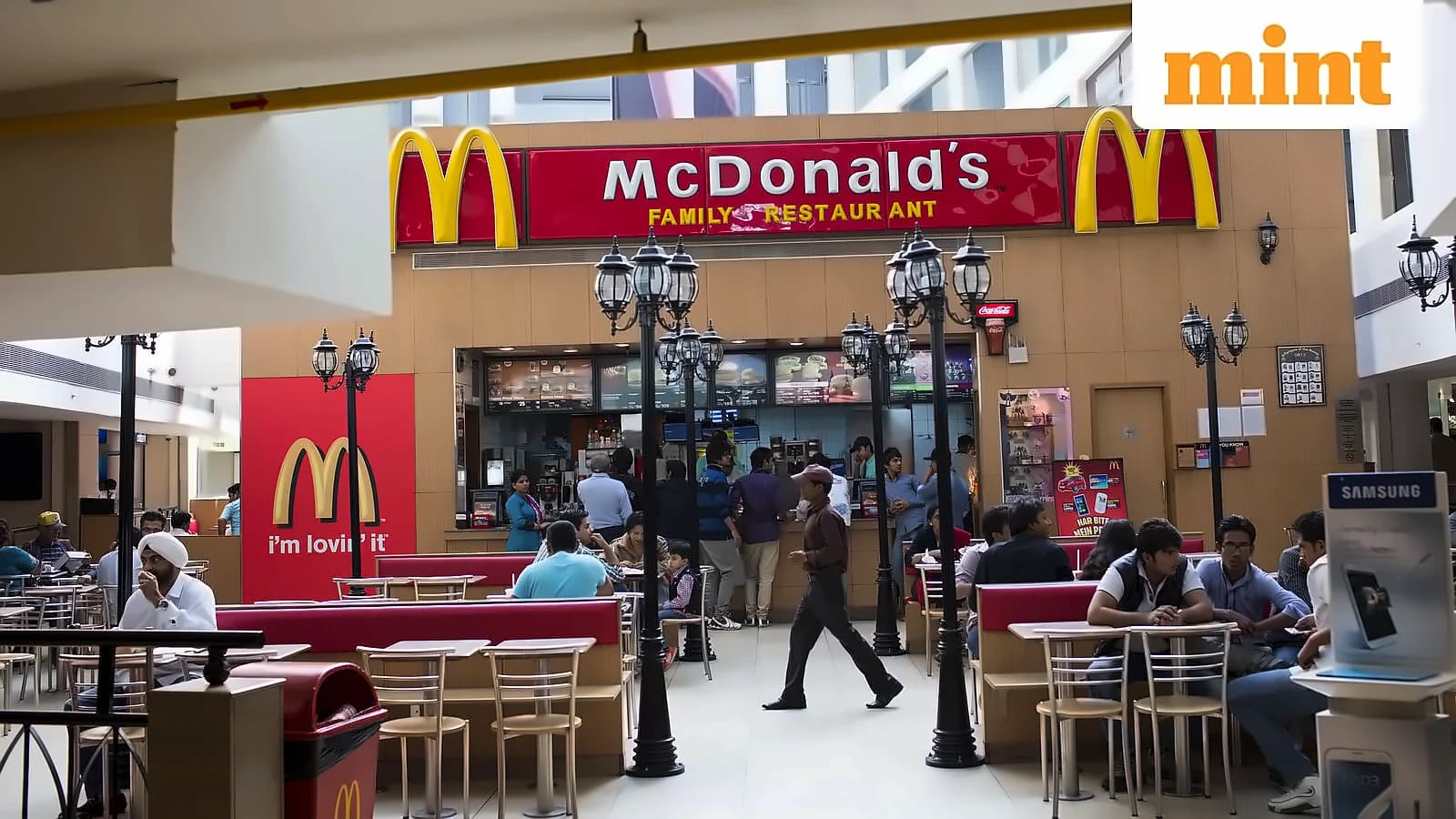
The energy crisis has significantly impacted multiple QSR operators. According to reports from Mint, Devyani International Ltd, which operates KFC and Pizza Hut outlets, described FY26 as a difficult operating year. The company estimated that higher liquefied petroleum gas (LPG) prices could lead to a 25-40% increase in costs, translating into a 30-50 basis point hit to EBITDA margins. Sapphire Foods India Ltd, another franchisee of Yum! Brands, reported that KFC restaurants saw zero closures despite supply constraints, while only a limited number of Pizza Hut stores faced temporary disruptions. Westlife Foodworld Ltd, which operates McDonald's in West and South India, said about 10% of stores were affected from March onwards.
The uncertainty is prompting companies to recalibrate expansion plans and sharpen focus on profitability. As reported by Mint, Devyani's chief executive warned that it will take another couple of quarters before the worst is behind us. The sector is entering a more disciplined growth phase, with companies increasingly prioritizing profitability and return ratios over expansion at any cost. Store expansion will continue but in a calibrated fashion, according to experts, as players have gone through an aggressive capex cycle and will seek returns before the next big wave of reinvestment.