Pyramid Technoplast shares closed at ₹159.40 on September 24, gaining ₹2.45 or 1.56% following the announcement of its Gujarat Pollution Control Board (GPCB) approval. According to Moneycontrol, the stock is currently trading 19.78% below its 52-week high of ₹198.70 and 20.57% above its 52-week low of ₹132.20. The company's market capitalisation stands at ₹586.35 crore, reflecting investor interest in the expanded recycling capabilities. The positive market reaction demonstrates investor confidence in the company's strategic pivot toward integrated industrial packaging solutions.
Pyramid Technoplast has received an amended Consolidated Consent and Authorisation (CCA) from the Gujarat Pollution Control Board (GPCB), enabling the company to receive, collect, store, transport and recycle industrial packaging waste generated by other companies. According to reports from CNBC TV18, the authorisation specifically covers empty barrels, containers and liners contaminated with hazardous chemicals/wastes. This regulatory approval represents a significant expansion of the company's operational capabilities in the industrial packaging sector. The CCA Amendment Order No. AWH-103781 was issued on September 18, 2026, with the consent fee associated with this authorisation paid up to November 5, 2030. The intimation was filed with the National Stock Exchange of India Ltd. and BSE Limited on September 23, 2026.
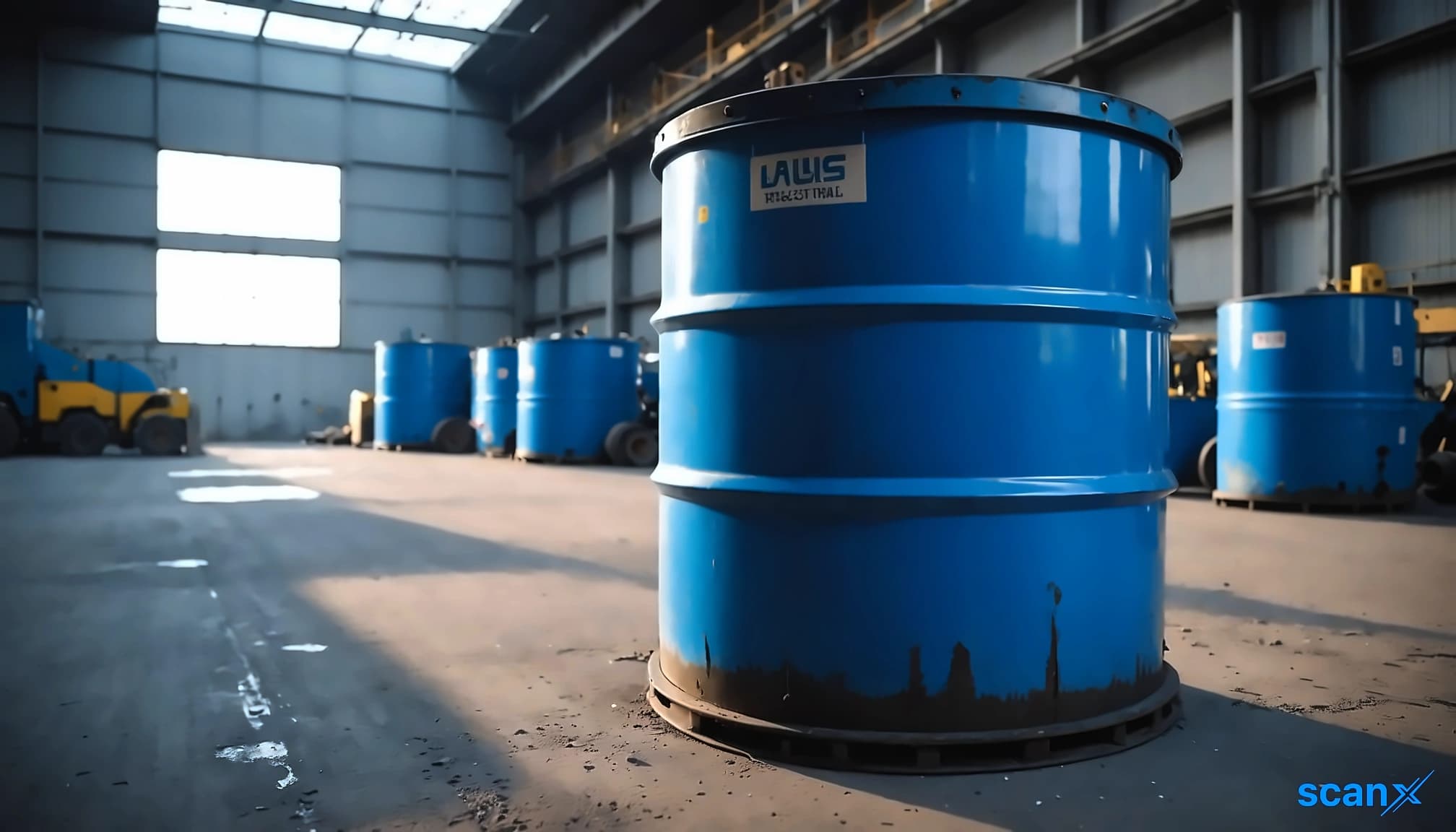
Under the amended authorisation, Pyramid Technoplast is permitted to handle and recycle up to 960 MT of industrial packaging waste annually. As reported by CNBC TV18, this capacity expansion creates an opportunity to expand its recycling operations by serving third-party industrial customers and provides an end-to-end solution for responsible packaging waste management. The authorisation also permits the company to manufacture up to 9,000 cleaned barrels/drums and containers per month for industrial use or granules, complementing its existing 1,000 MT per month capacity for plastic re-processed granules. According to Pyramid Technoplast, this diversification reduces dependency on raw material procurement cycles by monetizing waste collection services directly from industrial clients.
This development strengthens Pyramid Technoplast's integrated industrial packaging platform by extending its capabilities beyond manufacturing to collection, recycling, reprocessing and reuse of industrial packaging waste. According to CNBC TV18, the initiative is aligned with the Company's focus on building a more circular and resource-efficient packaging ecosystem. With this expanded authorisation, Pyramid Technoplast can further scale its third-party recycling platform, strengthen customer relationships and contribute to the recovery and reuse of industrial packaging materials. The move represents a strategic pivot toward a dual-stream revenue model, with the primary manufacturing output focused on new containers (9,000 units/month) while the newly unlocked capacity to process 960 MT of third-party hazardous-waste contaminated barrels annually introduces a distinct service-based revenue stream. The circular integration reduces dependence on volatile virgin plastic polymers, optimizing overall input cost structures.
Bijaykumar Agarwal, MD & Chairman stated that the amended authorisation marks an important step in expanding the recycling business. As reported by CNBC TV18, the company aims to offer a more integrated solution for packaging waste management while creating an additional avenue for growth in its recycling and reprocessed products business. According to Moneycontrol, Agarwal emphasized that "By enabling us to receive and recycle contaminated industrial packaging from third-party customers, we can offer a more integrated solution for packaging waste management while creating an additional avenue for growth in our recycling and reprocessed products business." The strategic positioning in the competitive industrial packaging landscape enables the company to serve external industrial customers with comprehensive waste management solutions while reducing compliance burden for customers into value-added services.