The passenger vehicle industry delivered exceptional growth in July 2026, with passenger vehicle dispatches rising 33% to approximately 4.7 lakh units compared to 3.5 lakh units in July 2025, according to PTI and ETAuto reports. Maruti Suzuki India Ltd (MSIL) emerged as the standout performer, posting its best-ever passenger vehicle sales at 1,96,203 units, representing a remarkable 43.4% growth from 1,37,776 units in July 2025. As reported by ETAuto, Maruti Suzuki became the first Indian automobile OEM to cross the 2 lakh domestic sales mark in a month, with Senior Executive Officer, Marketing & Sales, Partho Banerjee noting that "it clearly shows the love and affection of Indian customers for our brand." The company also achieved a significant milestone by recording domestic wholesales of more than 2 lakh units (including light commercial vehicles) for the first time, marking a new benchmark in Indian automotive history. According to ETAuto, this demand is buoyed by GST rationalisation, RBI repo rate cuts, income-tax relief boosting disposable income for entry-level buyers, along with fresh upgrades and new launches, pre-price-hike buying, and a delayed monsoon.
Maruti Suzuki's exceptional performance was driven by all-round growth across segments from entry-level small cars to SUVs, with the company witnessing robust demand for alternate fuel CNG models, according to PTI reports. Hyundai Motor India Ltd (HMIL) also achieved its best-ever domestic monthly sales at 54,210 units, up 23.3% from 43,973 units in the corresponding month last year, as reported by PTI. HMIL MD & CEO Tarun Garg said, "Our highest-ever monthly volume since inception, underscores the immense trust consumers place in brand Hyundai." Tata Motors Passenger Vehicles Ltd (TMPVL) recorded a 58% jump in domestic passenger vehicle sales at 62,611 units compared to 39,521 units in July 2025, while Mahindra & Mahindra posted 20.4% growth in utility vehicle sales at 60,048 units versus 49,871 units in July 2025. CNG models continue to have robust demand, with 83,000 units sold in July, according to Banerjee. Tata Motors continued to hold the second position with domestic sales jumping 58% to 62,611 units, aided by robust demand across its SUV and electric vehicle portfolio, with its EV wholesales surpassing 15,000 units in July, and the Punch reporting its best-ever monthly sales.
Several other automotive companies reported strong performance in July 2026. Honda Cars India Ltd recorded domestic sales growth of over 48% with 6,014 units sold, while Toyota Kirloskar Motor achieved a 5% rise in domestic sales at 30,516 units compared to 29,159 units in July 2025, as reported by PTI. Kia India reported a 27.4% rise in wholesale dispatches to 28,200 units, marking its best-ever July wholesale performance since inception, and JSW MG Motor India posted a 22% rise in dispatches to dealers at 8,158 units, achieving its highest-ever monthly wholesale numbers. Nissan Motor India Pvt Ltd made a comeback with dispatches surging 218% to 4,518 units, driven by the launch of its new premium SUV, Tekton. Mahindra & Mahindra continued to drive its strong SUV-led run, with sales increasing to 60,048 units, up 20% year-on-year, and total vehicle sales stood at 1,03,860, a 26% YoY growth reflecting all-round demand traction across the portfolio. Nalinikanth Gollagunta, CEO, Automotive Division, M&M noted that "we have kicked off the new quarter on a strong note, and delivering 21,150 export units (up 31.4% YoY), our highest in more than 100 months, reinforces our relentless commitment to Make-in-India, Made-for-the-World."
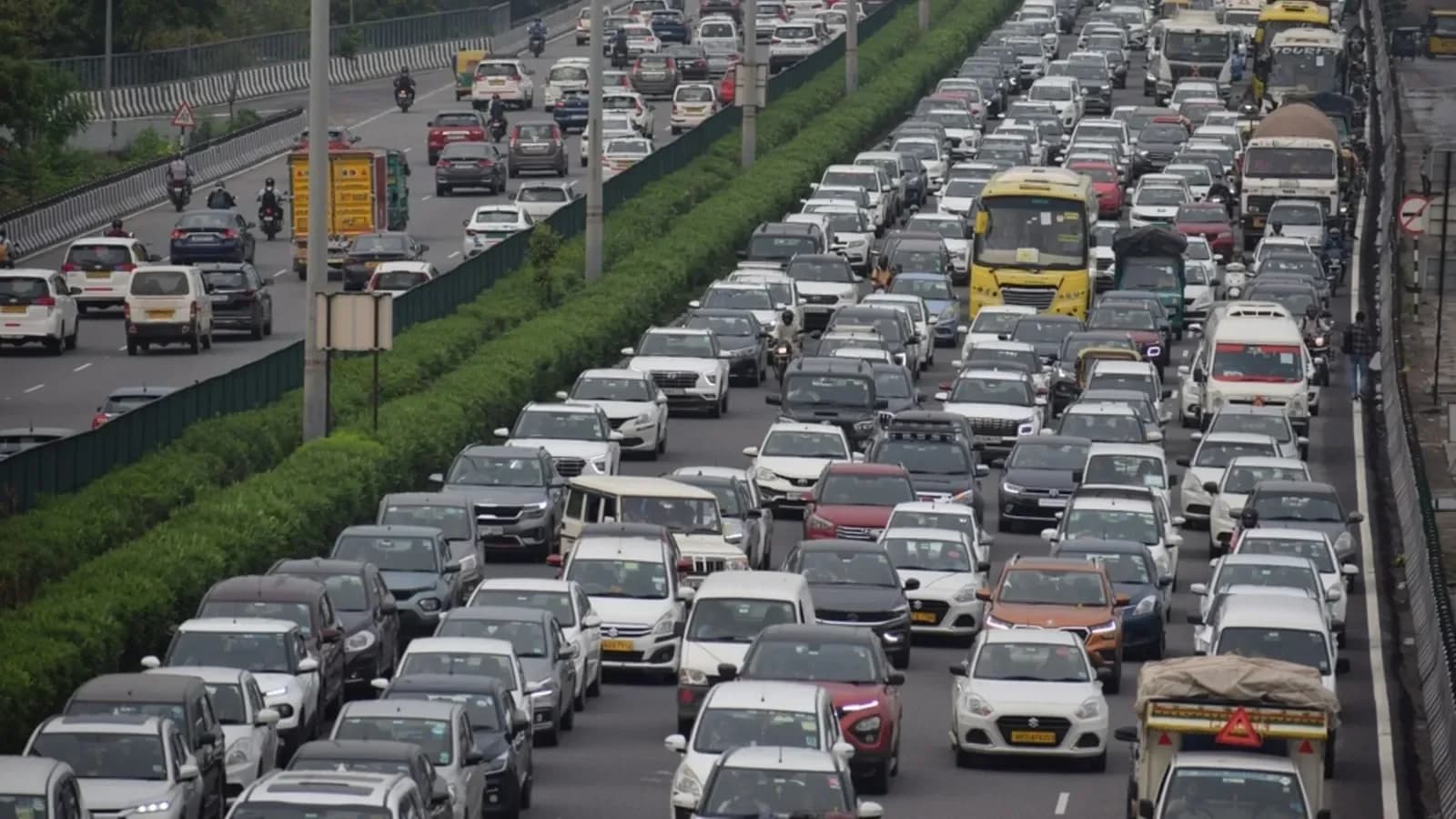
The electric vehicle segment witnessed exceptional growth during July 2026, with Tata Motors leading the charge in the EV space. As reported by PTI, the company's electric vehicle business continued to outperform the broader market, with EV sales more than doubling 114% year-on-year to 15,217 units, underscoring the sustained momentum in electric mobility. This strong performance in the EV segment reflects the broader industry's focus on electric vehicles and the continued shift towards sustainable mobility solutions.
The positive momentum in July 2026 signals strong consumer demand as the festive season approaches, with industry experts noting that improving affordability, pre-festive buying and sustained SUV demand lifted sales across major automakers. However, the industry faces potential challenges ahead, with Puneet Gupta, Mobility Global, Director India & ASEAN highlighting that "the biggest challenge from September will be the high base. If repo rates or fuel prices rise further, demand could come under pressure." The industry is keeping a close watch on raw material prices and global supply-chain risks, which could weigh on profitability in the coming quarters. Additionally, higher semiconductor costs leading to vehicle price hikes, and CAFE III compliance costs, which could push up vehicle prices later this year, could act as potential hurdles. The Iran conflict poses a risk to oil prices, while prolonged disruption after the Japan earthquake could impact global supply chains.