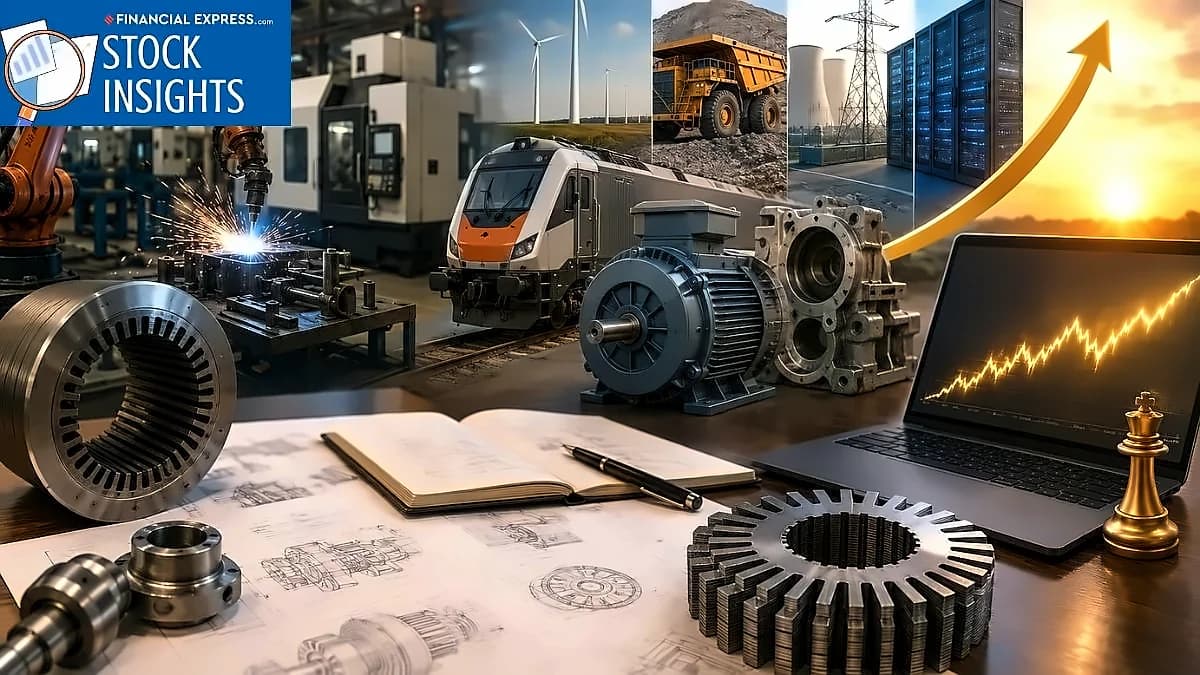
Despite revenue growth moderating to 12.2% in FY26 compared to nearly 37% the previous year, Pitti Engineering has announced a fresh ₹290 crore greenfield investment even before completing its current expansion programme. According to reports from The Financial Express, the company's existing expansion of around ₹150 crore is expected to increase sheet metal capacity from 90,000 metric tonnes to 108,000 metric tonnes by the end of H1FY27. The proposed new facility will increase casting capacity to 36,000 metric tonnes and machining capacity to 10.8 lakh machine hours by Q1FY30.
The company is transitioning from traditional laminations manufacturing to higher-value integrated solutions. As reported by The Financial Express, high value-added lamination assemblies grew 21.8% during FY26, while integrated stator frame and rotor shaft assemblies increased 31.9%. In contrast, traditional loose laminations and low value-added assemblies grew only 6.1%. The revenue mix shows traction motors and railway components accounting for 33% of FY26 revenue, followed by power generation at 15% and industrial motors at 13%. Management expects the new capacity to generate asset turns of around 1.2 times while operating at EBITDA margins of 25% to 28% for the new casting and machining business.
Despite slower revenue growth, profitability improved significantly. According to The Financial Express, adjusted Earnings Before Interest, Tax, Depreciation and Amortisation (EBITDA) increased to ₹326 crore in FY26 from ₹272 crore the previous year, while adjusted EBITDA margin improved to 17% from 15.9%. The company's Return on Equity stood at 12.5% and Return on Capital Employed was 14.8% in FY26. Management has cautioned that the first quarter of FY27 is likely to remain subdued before growth gradually improves as energy costs normalise and delayed exports are dispatched.
As of FY26, total borrowings stood at around ₹698 crore, translating into a debt-to-equity ratio of 0.7x. According to The Financial Express, the balance sheet remains manageable with working capital expected to become more efficient as inventories stabilise around ₹400 crore and customer payments normalise. However, the latest greenfield project will require substantial capital over the next few years, making debt one of the biggest variables in the investment case. Management believes the situation should gradually improve with higher utilisation supporting stronger returns on capital over time.
The market continues to price the transformation at 30 times earnings, suggesting investors are already factoring in part of the company's strategic shift. As reported by The Financial Express, the next two to three years will determine whether management's strategy of investing ahead of demand creates a business with meaningfully higher earnings and returns. The company's transformation from a traditional laminations manufacturer to a diversified engineering solutions provider serves global customers including Caterpillar, Siemens Mobility, Voith, Progress Rail and Wabtec. However, the biggest risk lies in the timing of capacity utilisation and customer demand recovery, which could affect the return on these substantial investments.