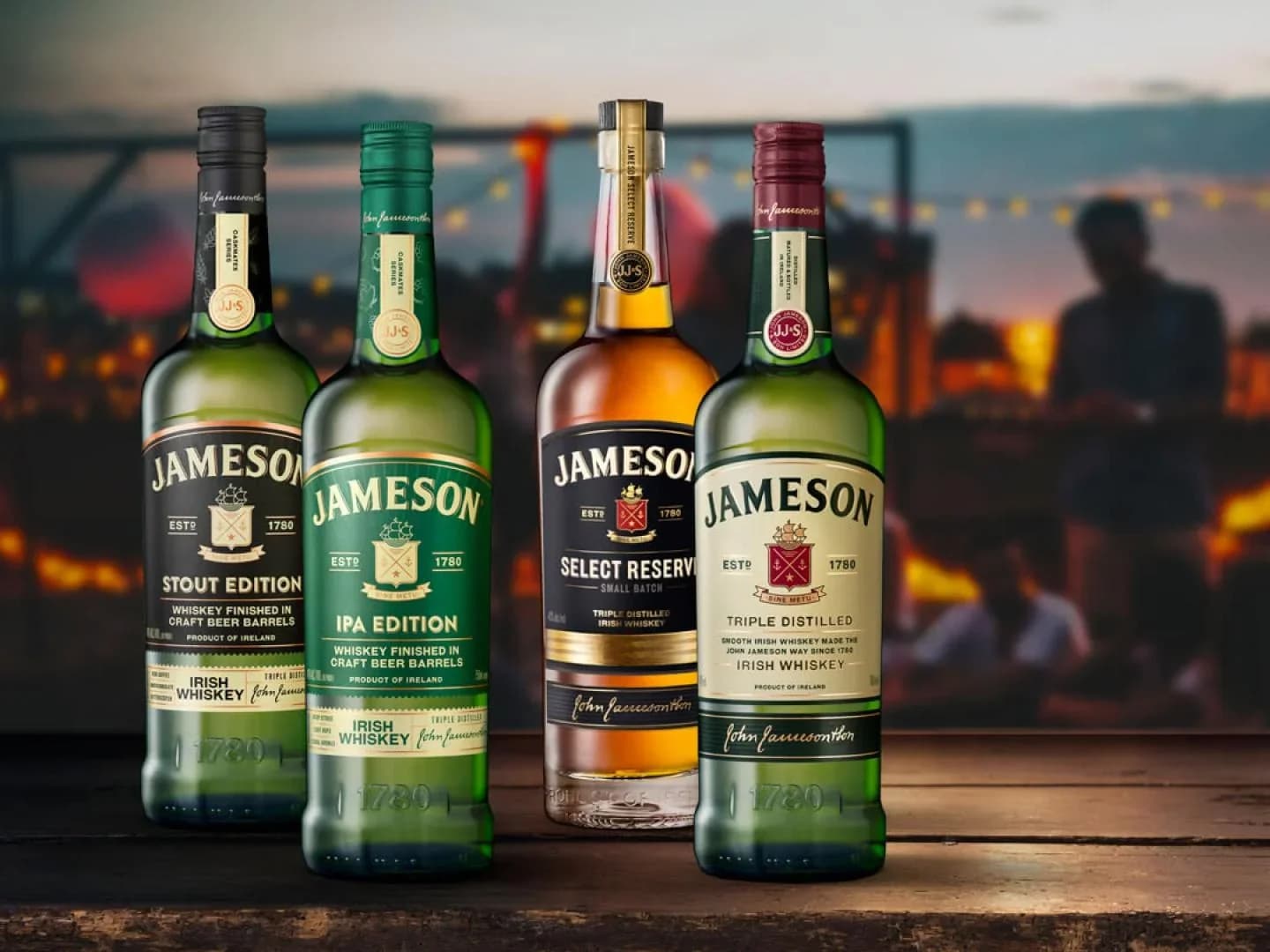
French spirits maker Pernod Ricard reported its third consecutive year of declining sales with organic net sales falling 3.9% in FY2026, worse than analyst consensus expectations of -3.7%. Total net sales reached €9.4 billion for the year ending June 30, 2026, while profit from recurring operations fell 5.2% organically. The company has revised its medium-term growth guidance downward to the lower end of its previous 3-6% organic growth range for the period FY27-FY29. Despite global challenges, Pernod Ricard India continues to demonstrate robust performance with 7% organic growth, making it one of the few genuine bright spots in the portfolio. As per Mediobanca, the company maintains its neutral rating while reducing the price target to 80 euros from 88 euros, reflecting ongoing global challenges.
French spirits maker Pernod Ricard has implemented significant workforce reductions in India as part of a major operational restructuring. According to reports from Mint, the company has seen at least 200 exits over the past two years, reducing its total headcount in India to 1,400 employees. The latest cuts affect at least 50 mid-to-senior management employees who were asked to leave between January and July 2026, with another 20 to 30 expected to exit between December 2026 and March 2027. These cuts affect senior executives across several departments, including heads of operations, marketing, human resources, and supply chain. The restructuring is part of global efforts to eliminate roles while focusing resources on higher-return categories, as reported by Mediobanca.
Despite the workforce reductions, Pernod Ricard India continues to demonstrate robust financial performance. As reported by Mint, India's organic net sales grew 7% year-on-year (9% excluding Imperial Blue) and contributed 13% of the group's total net sales, making India Pernod's second-largest market. The company reported operating income of ₹27,445.8 crore, up 2.5% from ₹26,771 crore in FY24, while net profit rose steadily by 9.4% from ₹1,604 crore in FY24 to ₹1,754.5 crore in FY25. However, growth has slowed compared to FY22-FY23, when operating revenue rose 10.1% from ₹22,741.4 crore to ₹25,028.9 crore.
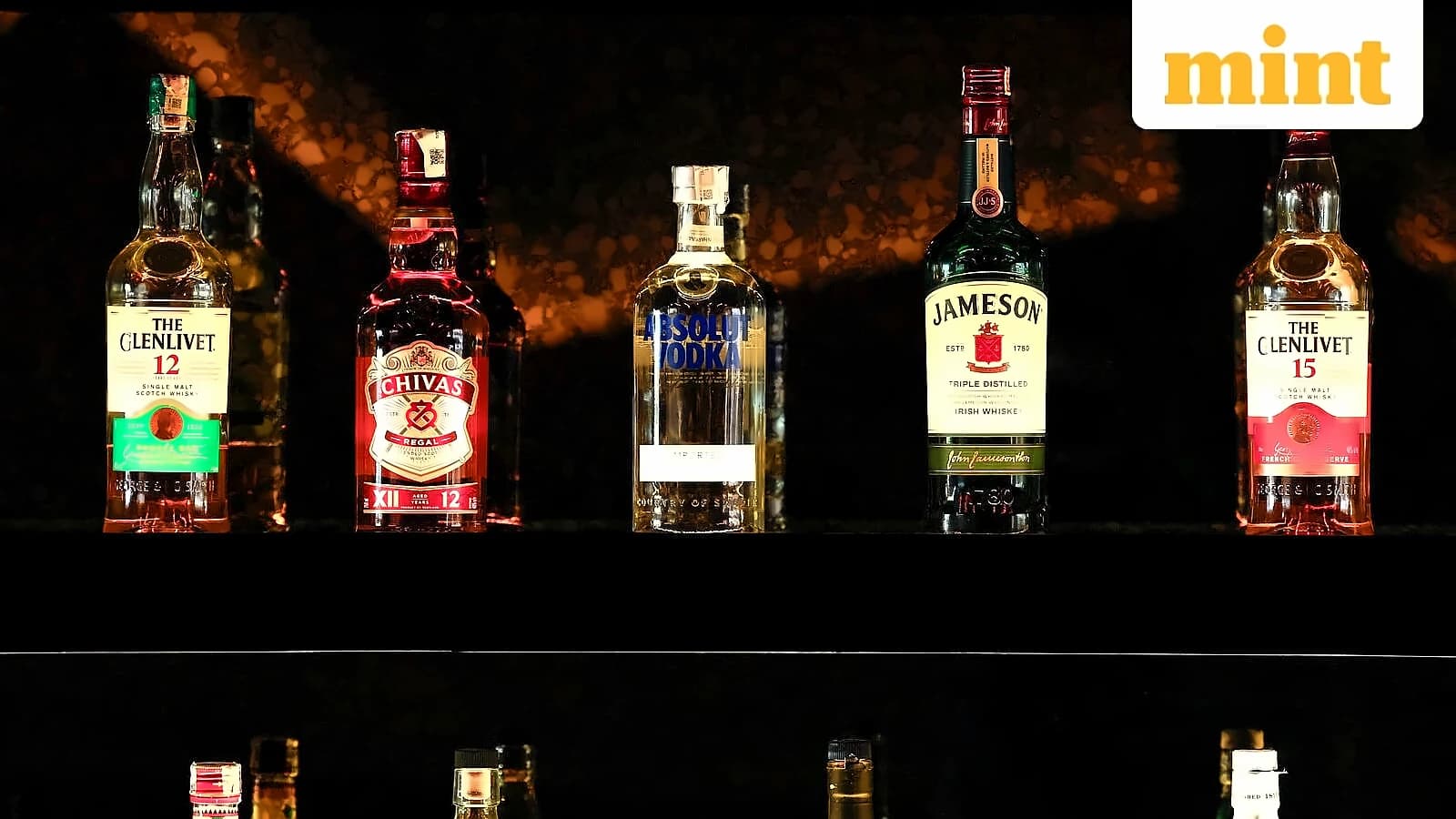
The restructuring has been complicated by internal scandals and performance-related departures. According to Mint, approximately 100 employees left or were asked to resign in 2025 over an internal scandal dubbed 'liquorgate', in which staff members were found submitting incomplete or handwritten bills to claim their annual ₹14,000 alcohol allowance. Additionally, about 100 employees were placed on performance-improvement or remediation plans in 2026, with 50 subsequently leaving and others remaining on gardening leave. Former executives told Mint that the company was forcing people out by assigning poor performance reviews out of the blue, despite years of solid performance.
The company has experienced significant leadership changes over recent years. Thibault Cuny served as managing director and CEO from 2019 before passing away in 2022, followed by French executive Paul-Robert Bouhier who resigned in January 2023. Jean Touboul currently serves as CEO since June 2023. However, the company faces legal challenges in its second-largest market, including an investigation in the 2022 Delhi excise policy case involving former Delhi government members, where senior executives face allegations of providing corporate guarantees to retailers. Pernod denies all wrongdoing, but its license in Delhi remains suspended.
The restructuring appears strategically focused on reshaping the business composition and cost structure rather than responding to weak demand. As reported by Mint, senior employees indicated the layoffs are linked to global restructuring efforts, with the company eliminating roles while focusing resources on higher-return categories. This approach comes during a global slowdown, but India remains a bright spot driven by rapid premiumisation. According to Alexandre Ricard, Pernod Ricard's chairman and CEO, the company sees accelerated performance underpinned by dynamic consumer demand and market share gains, benefiting from the Imperial Blue disposal which was less dynamic than premium segments. The company's global portfolio spans 94 production sites worldwide with net sales distributed across Europe (28.9%), Americas (28.8%), and other regions (42.3%), as reported by Mediobanca.