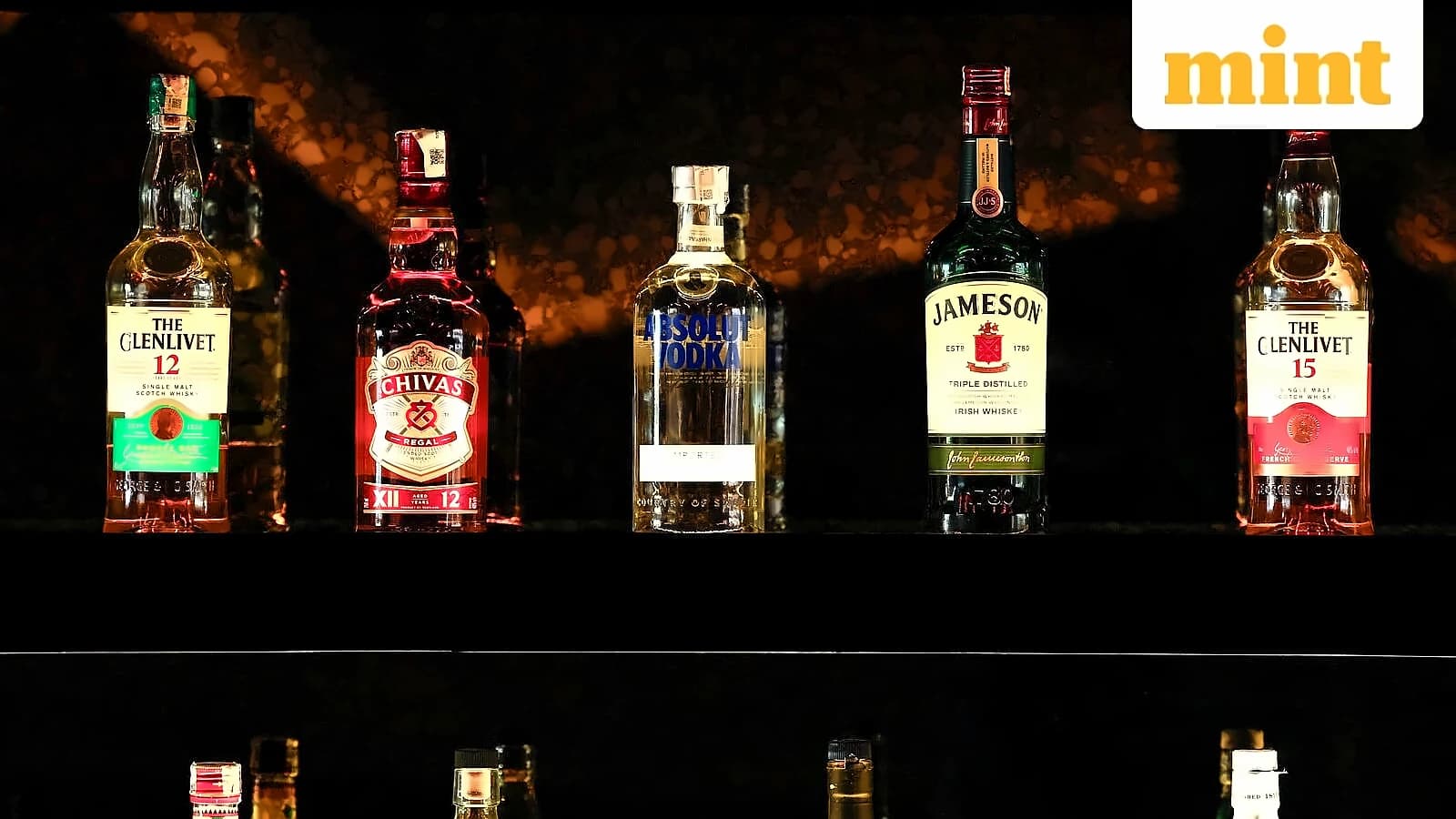
According to Reuters, Pernod Ricard shares fell more than 6% on Thursday, as investors reacted to the company's latest guidance and performance update. CEO Alexandre Ricard told investors that the U.S., Pernod's largest market, offered little potential over the next three years, weighing on overall group performance. The French spirits maker's stock significantly underperformed the broader market, with analysts noting there was no massive surprise in the results to justify the share reaction, given the performance and guidance were in line with expectations and peers. The sharp decline reflects investor concerns over the company's third consecutive annual decline in organic sales and continued weakness in its two largest markets.
As reported by Reuters, Pernod Ricard has revised its sales forecast downward, now expecting to meet the lower end of its 3%-6% target through 2029. The French wine producer and retailer reported worse-than-expected 3.9% drop in annual organic sales - its third consecutive decline. CEO Alexandre Ricard told investors that the assumptions driving this outlook are based on a U.S. market which is not in growth over that period and which is quite soft. However, he emphasized that Pernod's broad geographic footprint should help support performance in the coming years. The company's prospects for the current fiscal year, which started on July 1, look even more subdued, with broadly stable organic net sales expected and trading conditions in the U.S. and China expected to remain challenging in the first quarter.
As reported by Reuters, Pernod Ricard experienced significant declines in its two largest markets during the year ended June 30. US sales fell 14%, with weak spirits consumption, subdued consumer confidence and continued inventory adjustments weighing on demand. China sales reduced by 19%, as weak consumer sentiment and pressure on prestige categories, particularly cognac, continued to hurt the business. However, there are signs that the downturn is beginning to moderate, with organic sales declining 5.9% in the first half but only 1.3% in the second half. Sales in Asia excluding China and the Middle East were flat overall, helped by 7% growth in India, or 9% excluding Imperial Blue. Ready-to-drink products also showed positive momentum with 12% growth. Spirits makers across the industry are grappling with a multi-year sales downturn that has eroded valuations, triggered management changes and prompted asset sales and cost-cutting.
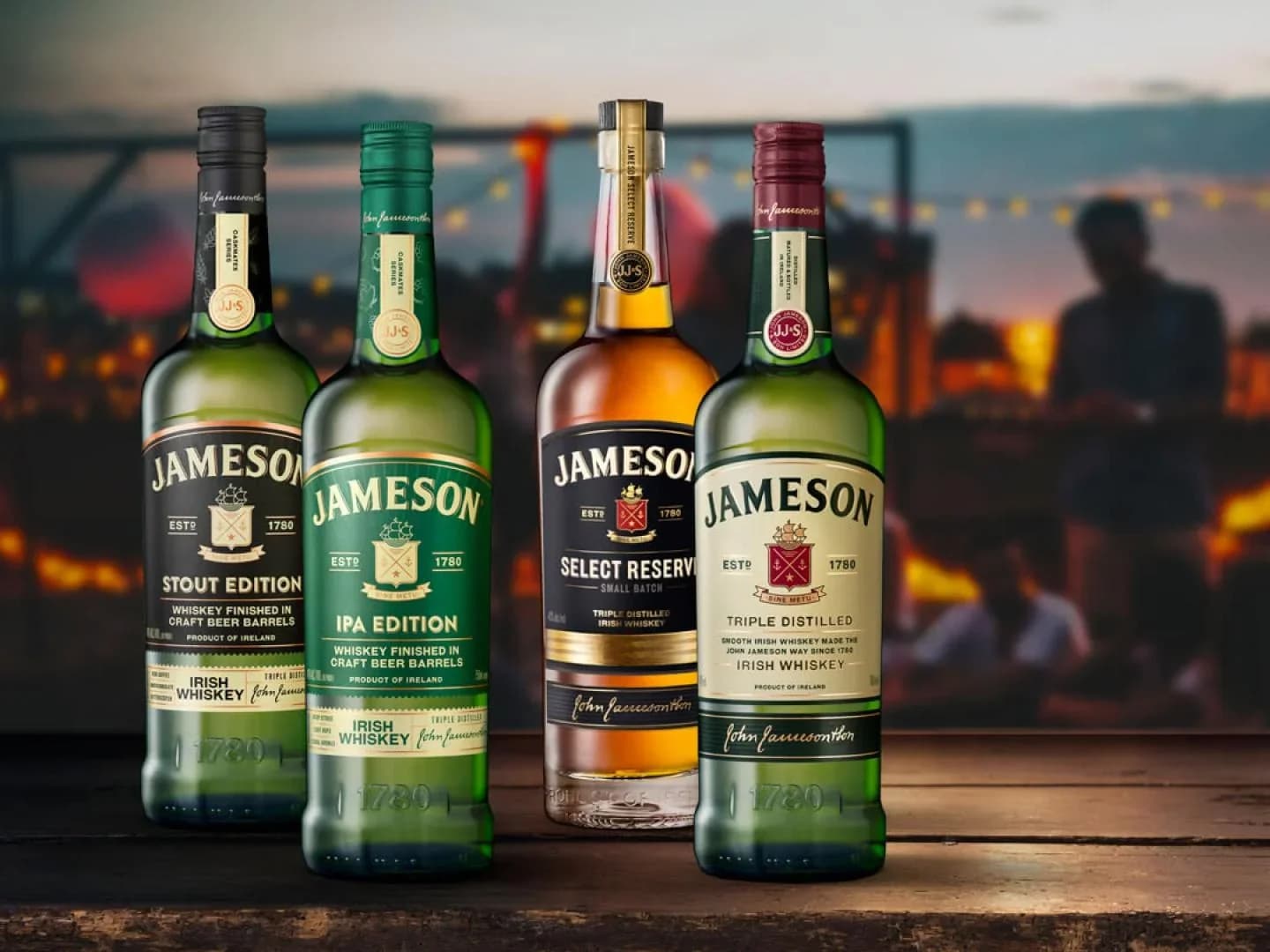
According to Investing.com, Pernod Ricard's fiscal 2026 organic sales fell 3.9% to €9.4 billion, slightly worse than the 3.7% decline expected by S&P Global Visible Alpha. Organic recurring operating profit fell 5.2% to €2.42 billion, broadly in line with the 5.1% decline expected. The company maintained its €4.70-per-share dividend, above the €4.09 consensus, and announced that shareholders would have the option of receiving the final dividend in shares. However, Reuters Breakingviews highlights a critical concern: net debt reached €10.7 billion at the end of June, representing 3.7 times EBITDA. The dividend will equate to about 60% of operating cash flow in coming years, compared to 20%-30% for Diageo and Davide Campari Milano, making it unusually large and potentially unsustainable given the company's leverage position.
As reported by Reuters, Pernod Ricard is accelerating its €1 billion efficiency program, with half the target already delivered in fiscal 2026 and full completion now expected by fiscal 2028, one year earlier than previously planned. CEO Alexandre Ricard stated that the company will be concluding its €1 billion ($1.2 billion) restructuring programme a year ahead of schedule. The restructuring has already resulted in 3,600 job role layoffs in fiscal 2024. Additionally, he informed investors that the board is discussing a potential initial public offering of the group's Indian business and has already taken preparatory steps. India has overtaken China as Pernod's second-largest market, making this potential IPO significant for the company's growth strategy. Despite the challenges, Ricard continues to protect marketing investment, spending 16% of group sales on advertising and promotions to safeguard market share, which analysts consider a wise strategy for future growth.