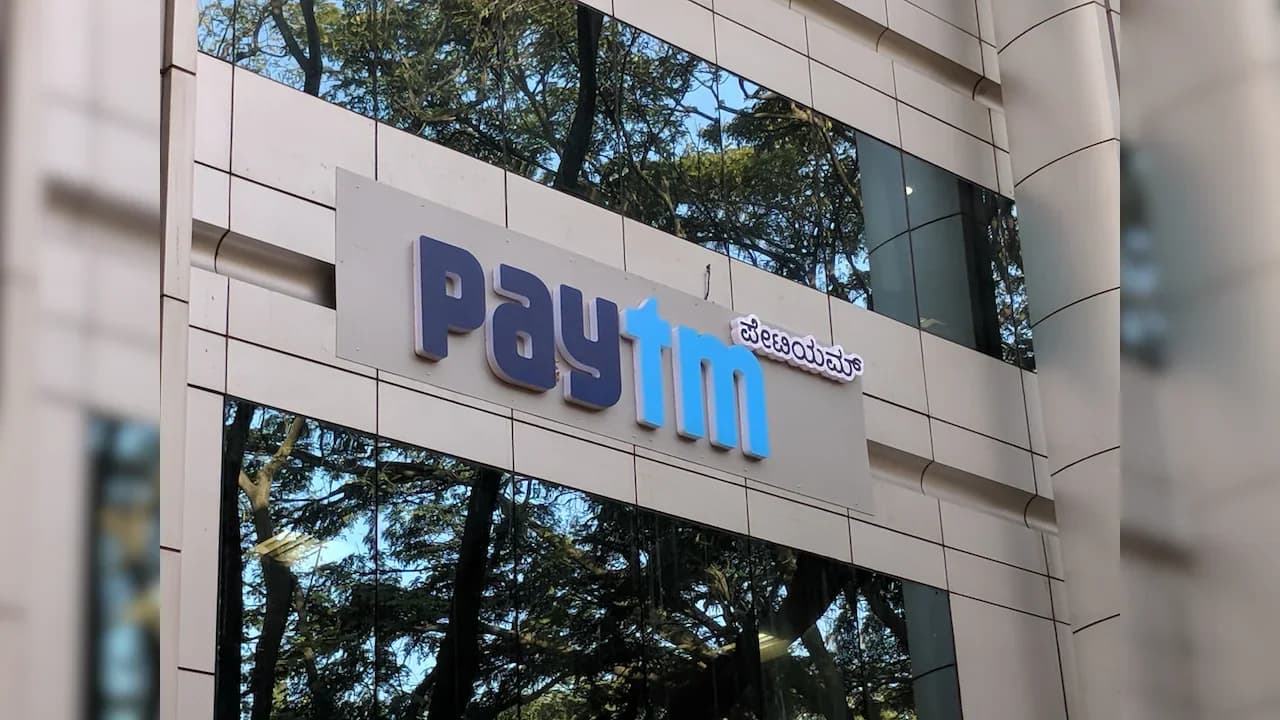
Paytm shares crashed as much as 8% during early trade on April 27, 2026, following the Reserve Bank of India's cancellation of the payments bank licence. According to ET Now, the sharp decline came despite brokerages maintaining bullish calls on the stock. The market reaction reflects investor concerns over the regulatory impact on the fintech giant, even as analysts continue to express confidence in the company's core business operations.
Global brokerage firm Bernstein has reaffirmed its confidence in Paytm, maintaining an 'Outperform' rating with a price target of ₹1,500, implying an upside of around 31%. In its latest note, Bernstein stated that the regulator's decision to cancel the payments bank licence is an incremental development, noting that Paytm had already created a clear separation between the payments bank and the parent company, especially after the regulatory action in early 2024. As reported by The Hindu BusinessLine, Bernstein emphasized that there is unlikely to be any impact on the company's numbers as the operations of PPBL have been suspended for more than a year. The brokerage also noted that Paytm had previously written off its investment in the payments bank, ensuring that 'no one-off' financial impact is also expected from this action.
Beyond the near-term developments, Bernstein sees emerging strategic opportunities for Paytm following the PPBL cancellation. The report noted that this development could potentially clear the path for the company to pursue alternative regulatory structures such as NBFC or PPI licenses, which could open avenues for Paytm to expand across payment products like wallets and credit solutions. As reported by The Hindu BusinessLine, Bernstein added that Paytm currently has no role in the management or board of PPBL, despite its shareholding, reinforcing the operational independence between the two entities. The brokerage further underlined that Paytm's core payments and financial services ecosystem remains strong and unaffected, with the regulatory action limited to the payments bank entity.
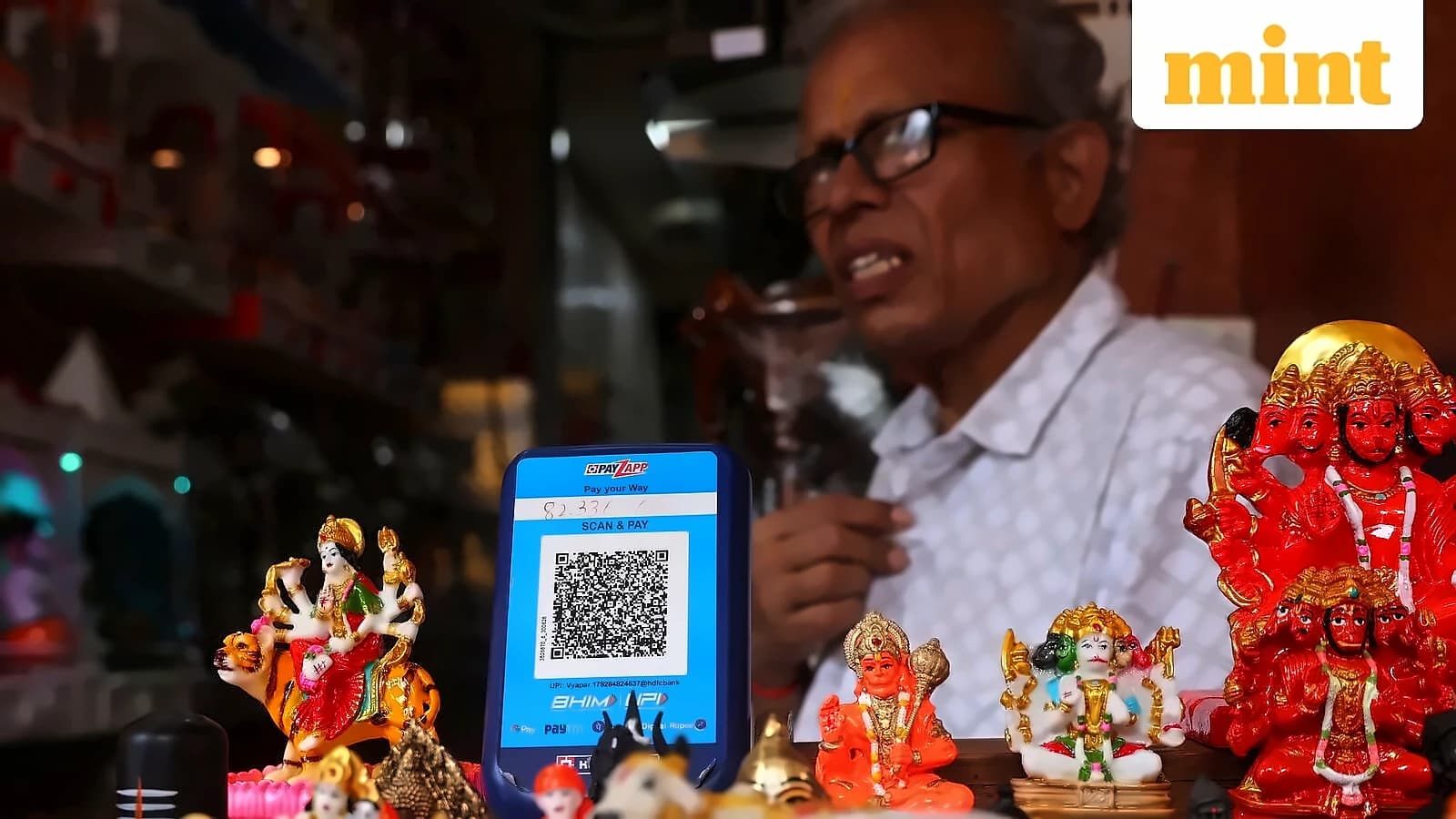
Paytm clarified that all its services, including the Paytm app, Paytm UPI, and Paytm Gold, as well as offerings from its subsidiaries and associated companies, such as Paytm QR, Paytm Soundbox, Paytm card machines, Paytm Payment Gateway, and Paytm Money, were operating without any interruptions. As reported by The Print, Paytm UPI services now operate through partner banks like Axis Bank and Yes Bank, which are completely unaffected by the PPBL licence cancellation. The RBI's decision has reportedly strengthened the UPI duopoly between PhonePe and Google Pay, with competitors seeing a surge in new user acquisition in the months following PPBL's operational restrictions. Analysts note that the RBI's action sends a powerful signal across India's digital finance ecosystem, representing the central bank's most definitive assertion of its 'compliance-first' regulatory philosophy.
The cancellation represents a watershed moment for India's fintech sector - it is the first time the RBI has revoked a payments bank licence outright rather than allowing a failing entity to be merged or restructured. According to Business Standard, only six of the original eleven payments bank licensees are still operational today, with one of the survivors already receiving approval to convert into a small finance bank. The regulatory squeeze on PPBL escalated in stages: March 2022 saw the RBI order PPBL to stop onboarding new customers citing persistent compliance gaps, followed by October 2023 when the bank was fined ₹5.39 crore for failing to maintain adequate operational separation. January 31 and February 16, 2024 saw two RBI orders impose sweeping restrictions barring PPBL from accepting fresh deposits, credits or top-ups, with the final cancellation coming April 24, 2026. The decision signals that the RBI will use its full toolkit when supervisory remedies are repeatedly ignored, with the central bank emphasizing that PPBL's affairs had been conducted in a way that harmed both the institution itself and its depositors, and that letting the bank continue would serve no useful purpose.