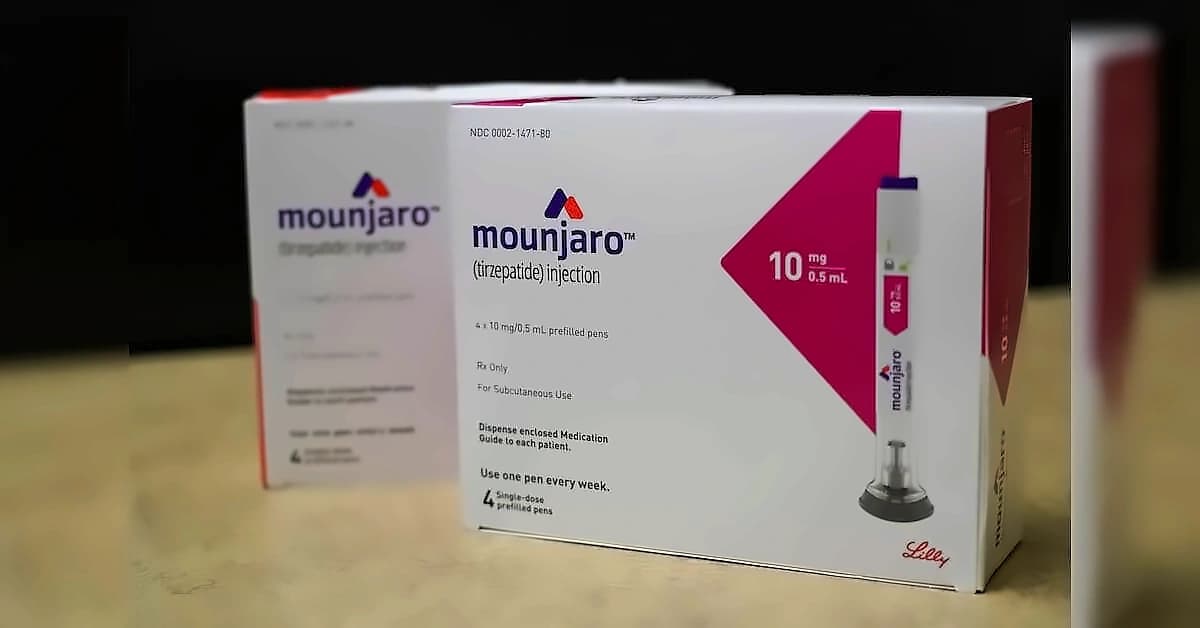
The National Health Service (NHS) in England has witnessed a dramatic increase in diabetes treatment costs, with spending reaching a record £2.3 billion (₹19,000 crore) last year, up from £985 million a decade ago. According to the NHS Business Services Authority (NHSBSA), this surge has been primarily driven by a new generation of weight-loss drugs that have become best known for their dramatic effect on weight. Mounjaro prescriptions nearly trebled in one year, rising from 1.1 million to 3.1 million items, while spending on the drug increased dramatically from £120 million to £574 million. The class of medication known as GLP-1 receptor agonists accounted for 33 per cent of the total cost of all diabetes drugs.

Radhika Ghai, founder of premium cosmetics e-commerce platform Kindlife, described this as the biggest new demand driver beauty has had in a decade. As reported by The Times of India, Ghai explained that when people lose weight rapidly through GLP-1 drugs, the medication takes facial volume, skin elasticity and hair along with the fat. This creates a very specific set of products demand such as barrier repair, collagen-support skincare and firming body care that grows with the patient base rather than fading with seasonal trends.
The beauty industry is experiencing a significant transformation as GLP-1 medicines like Ozempic and Mounjaro create new consumer needs. According to The Times of India, companies are developing products specifically for consumers dealing with rapid weight loss effects, including protein-rich foods and drinks, collagen supplements, face fillers, and plumping makeup. Sugar Cosmetics and HUL's Lakme are promoting plumping, non-invasive makeup options positioned as alternatives to traditional procedures such as lip fillers.
Nestle India is actively addressing nutrition gaps among people undergoing GLP-1 therapy through strategic partnerships. According to The Times of India, the company's India unit is working with Dr. Reddy's Laboratories through their joint venture to bring multiple products to market for this group. The joint venture has launched Celevida GLP+ (a nutrition supplement) specifically for people undergoing GLP-1 therapy.
Tata Consumer Products is preparing comprehensive product lines for consumers using GLP-1 medicines. As reported by The Times of India, Managing Director Sunil D'Souza indicated in July that the company was considering waters and snacks containing protein and fibre to help manage weight loss side effects. The company is focusing on supplementing food intake rather than reducing portion sizes, with plans to enter multiple foods and beverages categories over the next 60 days to manage weight loss side effects.