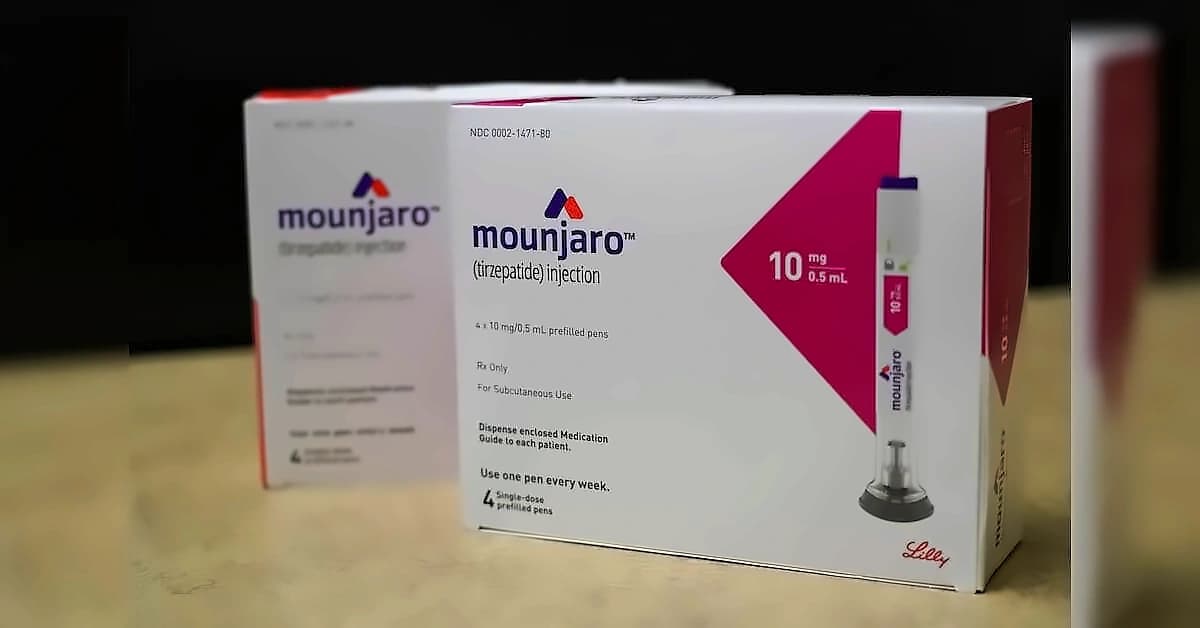
Mounjaro has emerged as India's top-selling GLP-1 medicine, with sales reaching ₹1,256 crore in the 12 months ended August, according to data from Pharmarack's PharmaTrac reported by Business Standard. The drug, Eli Lilly's diabetes and weight-loss medication, has overtaken other GLP-1 medicines to capture the leading position in India's rapidly expanding diabetes treatment market. The drug recorded a 502% increase in sales value during the period, demonstrating exceptional market penetration and patient adoption.
The GLP-1 segment demonstrated exceptional performance with 74% growth in unit sales in August, while its market value for the 12 months ended August stood at ₹2,333 crore, as reported by Pharmarack's PharmaTrac. Injectable medicines dominated the segment, accounting for 86% of the market with sales worth ₹2,010 crore in August, compared to ₹348 crore a year earlier. This dramatic shift towards injectable treatments reflects the growing preference for newer GLP-1 formulations and the increasing affordability of these treatments through generic alternatives.
Tirzepatide accounted for approximately 62% of the market, while semaglutide contributed around 34%, with dulaglutide and liraglutide making up the remaining share, according to Pharmarack data. In August alone, Mounjaro generated sales of around ₹112 crore, though its unit sales declined while value sales continued to rise, which may partly reflect patients moving to higher doses and changes in vial formats being used. The growth of generic semaglutide medicines has helped expand India's GLP-1 market by making treatments more affordable for a wider group of patients, while original branded medicines have continued to maintain demand despite increased competition.
The entry of generic semaglutide medicines has significantly expanded market access, allowing patients who may previously have been unable to afford these treatments to begin therapy. As reported by Business Standard, lower-priced alternatives have not weakened demand for original brands, which have continued to grow alongside the rise of generic options. Semaglutide injections have particularly gained ground, while demand for oral semaglutide declined slightly in August, indicating a broader preference shift toward injectable treatments that offer better affordability and efficacy.
Despite the sharp expansion, the GLP-1 market may be entering a steadier phase after the initial surge triggered by generic launches, according to Pharmarack data. Patient growth is beginning to stabilize, which means future expansion could increasingly depend on bringing more eligible patients into treatment and shifting existing users towards newer injectable options. This suggests the market is maturing from its rapid growth phase into a more sustainable expansion period, with injectable treatments becoming the dominant category and driving overall market expansion.