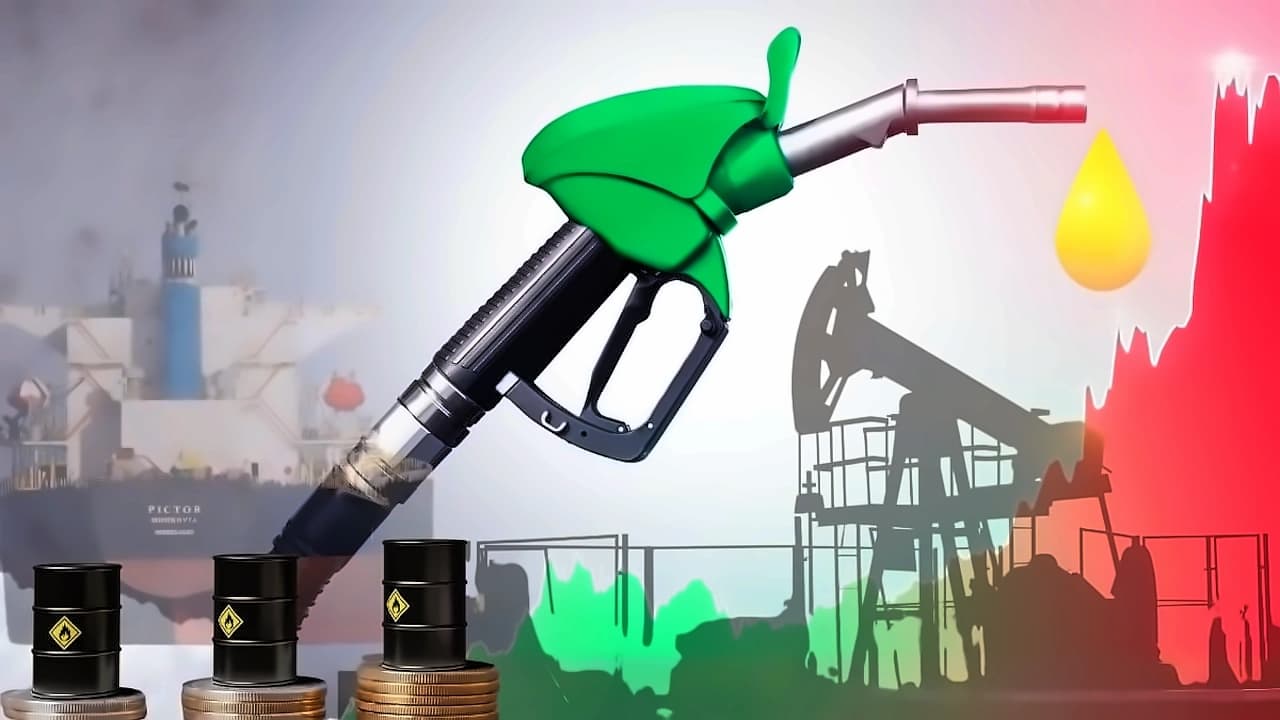
Shares of India's state-run oil marketing companies experienced a dramatic reversal on Friday, June 19, with IOC, BPCL, and HPCL shares tumbling as much as 3% after doubts emerged over US-Iran peace talks. HPCL shares closed 2.22% lower at ₹392.70, IOC traded 2.19% lower at ₹142.91, and BPCL shares were down 3.10% at ₹306.50. The decline came after US President JD Vance postponed his Switzerland trip for further negotiations with Iran over its nuclear program. The deferred trip is raising questions about what's next for the tentative agreement to end the war, marking a sharp reversal from the previous session's rally when crude oil prices had fallen below $80 per barrel.
Crude oil prices declined as Brent crude fell towards $79 per barrel and was down over 9% for the week, marking the second straight weekly loss. West Texas Intermediate for August traded near $75. The latest decline comes as markets increasingly expect a US-Iran agreement to reopen the Strait of Hormuz, a key global oil shipping route. Ships carrying stranded oil started moving out of the waterway on Thursday, while Kuwait said it will begin increasing production. The improved shipping conditions through the Strait of Hormuz helped normalize oil movement, though the broader market sentiment remained cautious amid the uncertainty over the US-Iran negotiations.
The decline in OMC stocks contributed to a broader market selloff, with the NSE Nifty 50 falling 0.9% to 23,947.25 and the BSE Sensex dropping 1% or 770 points to 76,639. The Indian stock market halted its five-day gaining streak as investors reassessed the prospects of a US-Iran peace deal. The weaker sentiment across domestic benchmark indices reflected concerns about the uncertain timeline for resolving the West Asia conflict and its impact on global energy markets. The market reversal highlights how quickly investor confidence can shift when geopolitical developments create uncertainty about the sustainability of recent crude oil price improvements.
According to ICICI Securities, India's oil marketing companies could see a sharp improvement in profitability if lower crude oil prices persist. Probal Sen, Senior Research Analyst covering the Indian Oil & Gas Sector, estimates that a $10 movement downwards in actual product prices can increase annual EBITDA for each of the three major OMCs by more than ₹20,000 crore. An over 15% decline in oil prices over just the last six sessions has created a favourable backdrop for companies such as Indian Oil Corporation (IOC), Bharat Petroleum Corporation (BPCL) and Hindustan Petroleum Corporation (HPCL). Sen believes the market has not yet fully priced in these benefits as some key details of the geopolitical agreement underpinning the fall in oil prices are still being negotiated.
Despite improved OMC finances, experts suggest consumer relief is unlikely in the very near term. Rajeev Sharan, head of research at Brickwork Ratings, told Business Standard that any meaningful reduction in retail fuel or LPG prices is more likely later in the year, once global prices stabilise and inventory costs normalise. Madan Sabnavis, chief economist at Bank of Baroda, expressed similar views, noting that OMCs are still incurring high losses as under-recoveries persist. The next phase will depend on how global crude prices evolve, whether the US-Iran peace deal holds, and how the rupee trades against the dollar. According to Crisil Intelligence, the cumulative under-recovery on petrol, diesel and liquefied petroleum gas during March-May 2026 is estimated at approximately ₹1 lakh crore.