Mohan Meakin, makers of the popular rum brand Old Monk, has agreed to revise the brand's packaging and labelling after the Food Safety and Standards Authority of India (FSSAI) ordered a halt to its sale in Maharashtra. According to NDTV, the company gave the undertaking before the Bombay High Court after the food safety regulator raised objections to the composition and labelling of certain Old Monk variants. The court questioned whether consumers could reasonably identify disclosure information about added flavours from the existing packaging's fine print. As part of the resolution effort, Mohan Meakin agreed to remove the '7 years old blended' claim and prominently disclose the presence of added flavours on revised labels. The court directed the company to submit a fresh, digitally printed label for review, with the matter scheduled to be heard again on September 3.
On August 3, FSSAI banned the sale of ten liquor variants including Old Monk, Royal Challenge, Bagpiper, McDowell's No. 1, and Antiquity Blue over artificial flavouring and misleading age claims. The orders target specific manufacturing facilities of United Spirits, Inbrew Beverages, and Mohan Rocky Springwater. The Ministry of Health and Family Welfare stated that investigations found manufacturers were producing alcoholic beverages mainly from spirit or extra-neutral alcohol and later adding flavours to recreate sensory characteristics. The government clarified this is a standards and labelling compliance issue, not a case of counterfeit or spurious liquor. The prohibition-of-sale orders are facility-specific, meaning they apply to products manufactured at particular plants, not every bottle of a given brand sold across India.
As reported by Mint, Old Monk highlighted that they have suffered a loss of ₹1 crore per day for 120 days of the ban. The dispute stems from laboratory tests conducted by the Food Safety and Standards Authority of India (FSSAI), which found the presence of external artificial or nature-identical flavouring substances in the products. According to the regulator, these substances masked the products' natural characteristics. FSSAI had in June imposed restrictions on the sale of rum, requiring the company to label it as a 'rum flavoured spirit'. The regulator's position was stated with unusual directness: 'There is no internationally recognised manufacturing practice whereby rum flavour is added to rum or whisky flavour is added to whisky.'
The second category of violation involves misleading age claims, governed directly by Section 24 of the Food Safety and Standards Act, 2006, which prohibits false or misleading claims on food labels. According to the investigation, the product's primary ingredient was neutral, unmatured spirit, while matured rum spirit accounted for less than 5% of the blend. The ministry flagged the '7 Years Old Blended' claim on an Old Monk XXX Rum variant as misleading, violating the Food Safety and Standards (Alcoholic Beverages) Regulations, 2018, which require age claims to be based on the youngest spirit in the blend. FSSAI argued that such a composition, coupled with the ageing claim, could mislead consumers. The regulator has maintained that rum must derive its characteristic taste and aroma through recognised manufacturing processes, including fermentation and maturation.
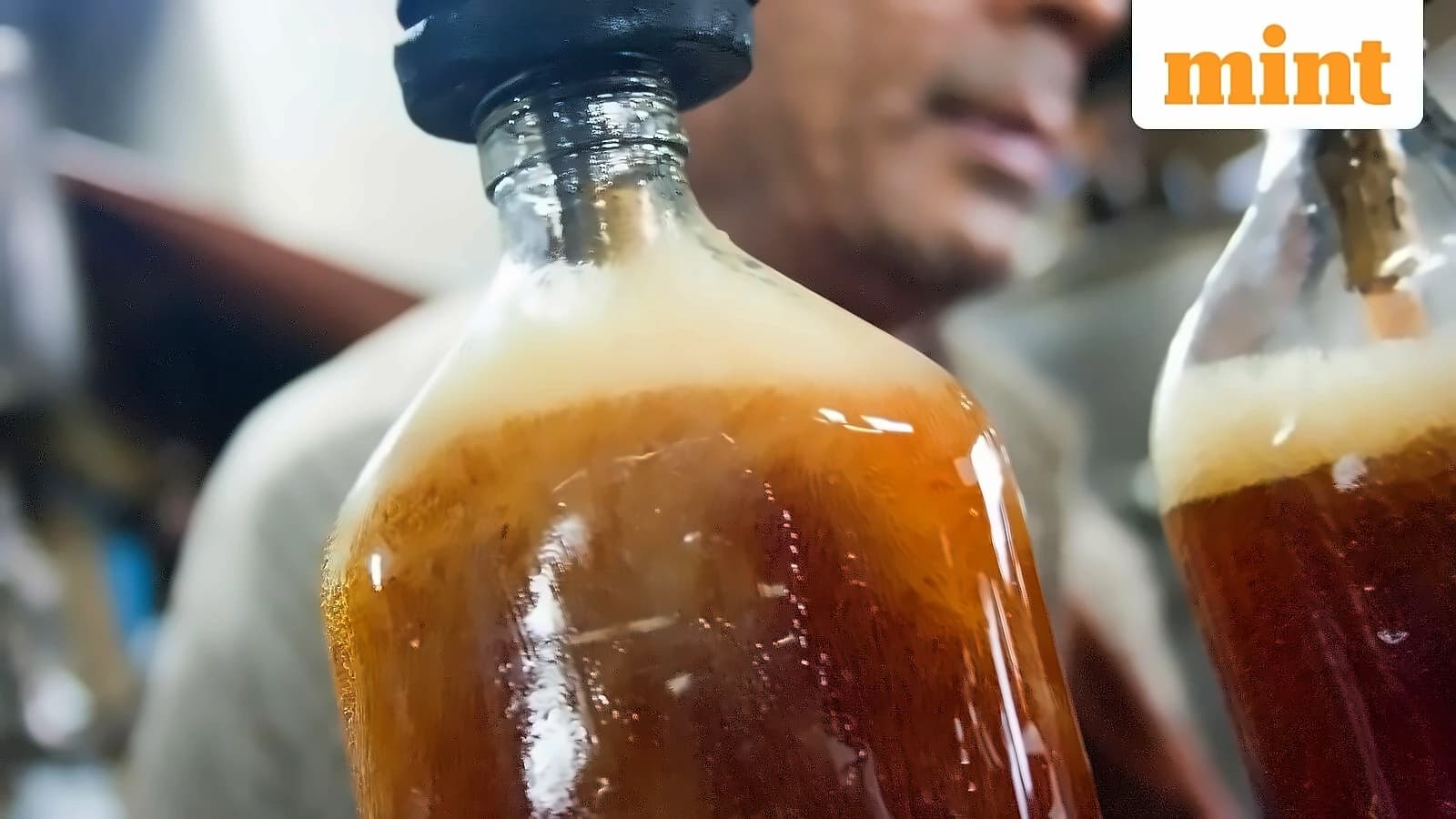
According to Mint, United Spirits, which faced a similar ban, withdrew its case on 24 August. Diageo, the parent company of United Spirits, and other liquor makers have agreed to comply with FSSAI directives to either remove the disputed flavouring agents or relabel their products. The change in label will take place, retaining the composition of the alcoholic beverage intact. With India's rising preference for imported alcohol, the crackdown on domestic brands might further decrease Indian-Made Foreign Liquor sales. The IMFL segment has already been under pressure from cheaper imports and evolving consumer tastes, with the FSSAI action adding regulatory uncertainty at a difficult time for the domestic industry. The ministry's reference to notices issued to six additional manufacturers in Maharashtra, and inspections under way at premises in Goa, indicates that the current set of bans may represent only the first stage of a broader enforcement exercise.