Ola Electric shares came under pressure on Wednesday, September 2, falling to an intraday low of ₹38.92, down 3.92% from the previous close of ₹40.51. The decline followed the stock's 8% jump on August 31, which had made it the top midcap gainer for the day and brought total gains to 11.3% so far in 2026. The company's market capitalisation rose above ₹19,300 crore, reflecting strong investor confidence following the successful launch of its new S1Z electric scooter range. According to ET Now, the stock has more than doubled from the recent 52-week low of ₹22.2 hit on March 16, 2026, though it remains 75% lower from record high levels. The stock has crossed the crucial 200 EMA mark of ₹40.2 per share for the second time in August, with daily charts showing support near ₹35 per share and bouncing back for the third time in four months.
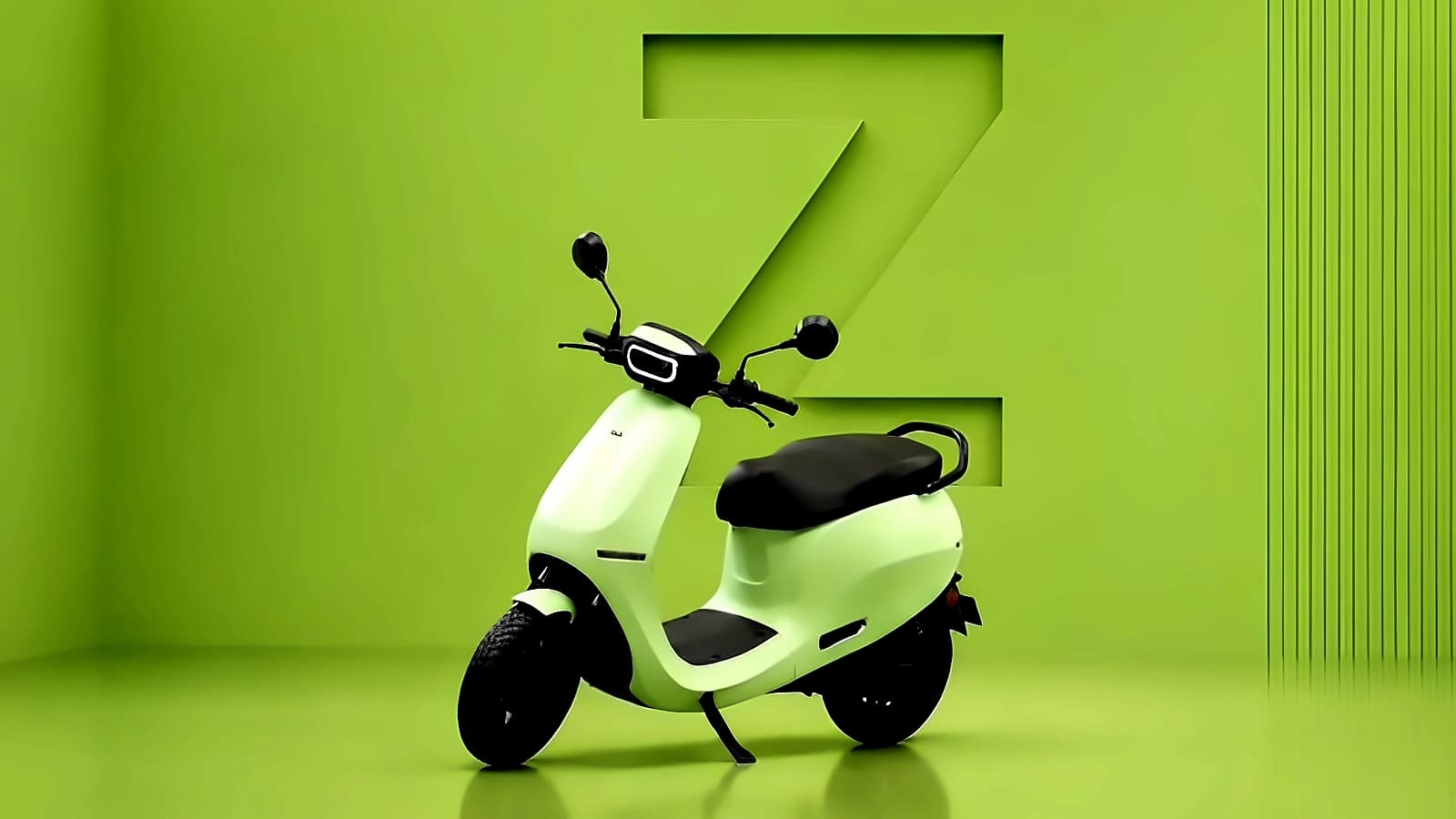
Chairman and Managing Director Bhavish Aggarwal announced the new S1Z electric scooter priced at an introductory ₹79,999 for the 3.1 kWh variant and ₹99,999 for the 5.1 kWh variant, both ex-showroom. As reported by Business Standard, the scooter features Ola's in-house developed 46-series LFP Bharat Cell platform and claims an IDC range of up to 179 km and 301 km respectively. The S1Z marks the first time Ola is bringing the technology to its mass-market scooter range, representing a significant increase over the 146-km range offered by the earlier S1 Z dual-battery setup. The S1Z will run on MoveOS 5 and comes with advanced features including cruise control, advanced regenerative braking, reverse mode, GPS, over-the-air software updates, geo, time and mode fencing, ride statistics and energy insights through the Ola Electric App, and the company's 'Easy Park' feature for tight parking spaces. The scooter will be available in four colours - White, Anthracite, Sky Splash Blue and Matcha Green and will ride on 12-inch wheels across all variants. Customers can reserve the scooter for ₹999 through Ola Electric's official website, with deliveries scheduled to begin in December 2026 for the 3.1kWh variant and March 2027 for the 5.1kWh variant.
The Ministry of Heavy Industries has sanctioned ₹95.8 crore under the demand incentive component of the PLI-Auto scheme for FY27, providing incremental liquidity as Ola works to lower operating losses and reduce cash consumption. This marks the second consecutive year Ola Electric has qualified for PLI incentives, following a ₹366.7 crore sanction for FY25 announced in December 2025. The latest payout comes at a time when improving cash generation remains a key priority for Ola, which recorded negative cash flow from operations of ₹215 crore during the June quarter after negative operating cash flow of ₹775 crore in FY26. The company's consolidated free cash flow was negative ₹351 crore in the June quarter, while the automotive business recorded a cash outflow of ₹123 crore. Ola delivered 39,192 vehicles in the June quarter, a 94% sequential increase, with consolidated gross margin at 30.5%. The gains came amid a combination of positive developments around Ola Electric and the broader electric two-wheeler market, including the company's recent S1Z launch and the ₹95.8-crore PLI incentive sanctioned under the government's Production Linked Incentive scheme.
Ola Electric's planned shift to a dealer-led sales and service network gained significant attention after Chairman and Managing Director Bhavish Aggarwal announced that the S1Z would be the first new product to enter the company's dealership network. As reported by ET Now, Aggarwal had said on August 28 that the S1Z would be the first new product to go into the company's dealership network, and on September 1, he reiterated the rollout, posting: "First set of dealer stores going live on Janmashtami!" Ola Electric had announced that it was opening its sales and service network to dealer partners across India, marking a structural shift in the company's go-to-market approach. The move came five years after the electric two-wheeler maker launched its first electric scooters, with the company initially building growth through company-owned stores to create awareness around electric vehicles and establish brand trust. Over the following months, Ola Electric's company-owned stores were expected to transition towards brand and product experience, while dealer partners were set to become the backbone of local sales, service and expansion across the country. The company had expected the programme to achieve meaningful on-ground scale by Diwali 2026.
Despite the strong stock performance, Ola Electric continues to face market share challenges with July 2026 sales declining 14% month-on-month to 12,874 units compared to 14,902 units in June 2024. According to Vahan portal data, the company's market share has declined to 6-8% at the fifth position, trailing Bajaj Auto, TVS Motors, Hero MotoCorp, and Ather Energy. However, institutional interest has increased significantly with domestic institutional ownership rising from 2.93% in Q4FY25 to 12.16% in Q1FY27, while FII ownership jumped from 2.8% to 4.11% during the same period. The company's total sales growth continues to remain in negative territory at 40% YoY on a YTD basis, highlighting the structural challenges despite new product launches and strong investor interest.