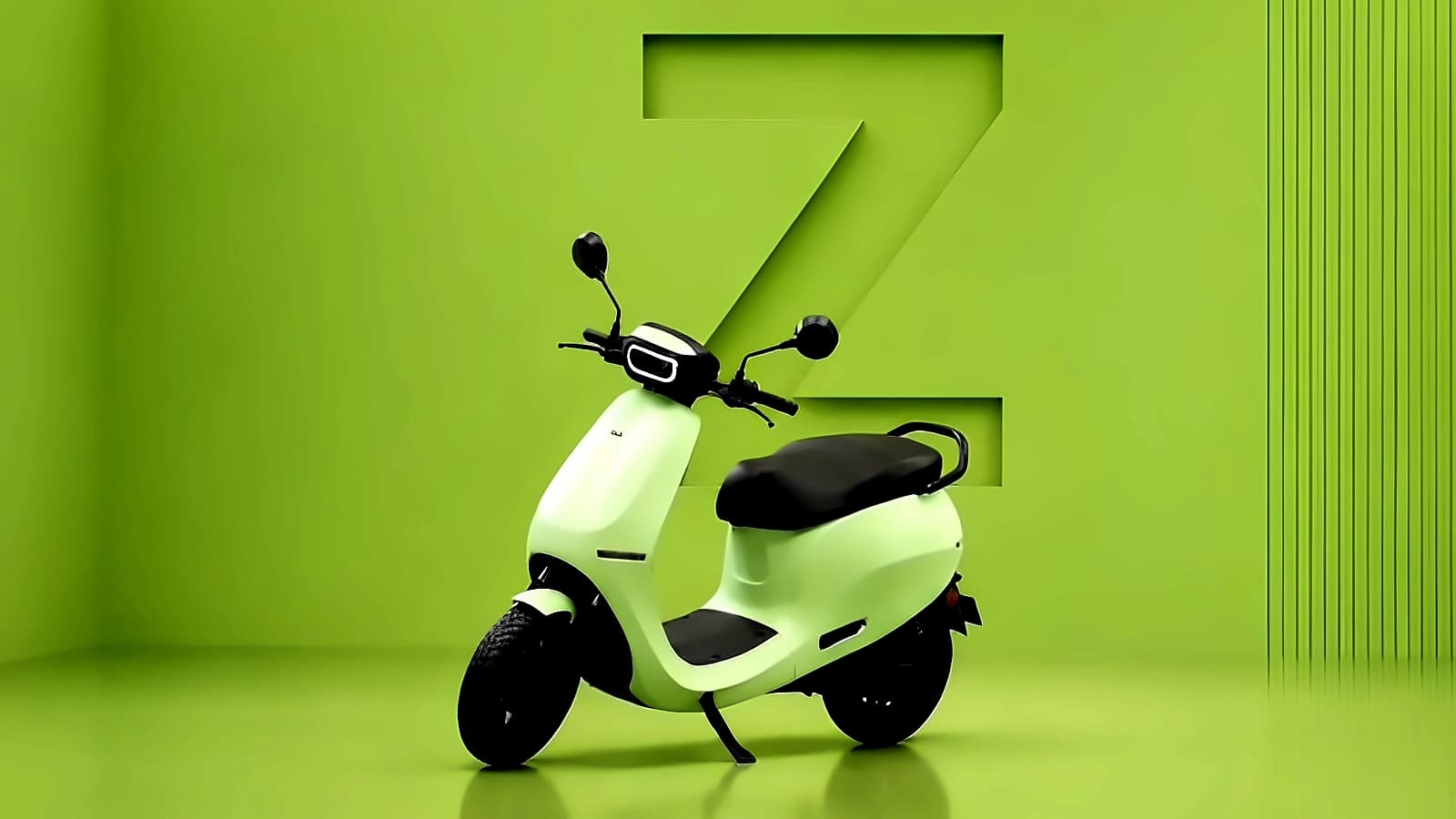
Shares of Ola Electric Mobility extended their losing streak for a third consecutive session on Tuesday, slipping another 2% to ₹41.41 on NSE, marking the lowest level seen by the stock this month so far. According to The Economic Times, the stock has descended over 9% in the past three sessions and opened at ₹42.41 apiece today compared to the previous close of ₹42.39 on Monday. The decline comes after media reports said two vendors had filed fresh insolvency pleas against its subsidiary over alleged unpaid dues of more than ₹40 crore. The scrip was trading 5.02% lower by noon on Monday, significantly underperforming the benchmark Nifty 50 index which was 0.78% up during the same period. Over the last five days, the shares were nearly flat, gaining ₹1.14 or 2.79%, while over the last one month, the shares declined by ₹2.39 or 5.38%. Over the last six months, the stock delivered a negative return, falling by ₹1.54 or 3.53%. The company currently has a market capitalisation of more than ₹19,462 crore.
Two suppliers of Ola Electric Technologies Pvt Ltd, the operating arm of Ola Electric Mobility Ltd, have moved to the National Company Law Tribunal (NCLT) seeking insolvency proceedings over unpaid dues of approximately ₹40.6 crore. As reported by Mint, the petitions, filed by Sterling E-Mobility Solutions Ltd., the EV components subsidiary of listed Sterling Tools Ltd., and Anevolve Mando eMobility Pvt. Ltd., a part of the ₹20,000-crore listed Anand Group, have been initiated under Section 9 of the Insolvency and Bankruptcy Code (IBC), alleging unpaid dues of approximately ₹40.6 crore. According to filings submitted by Ola Electric Technologies with the Ministry of Corporate Affairs (MCA), the company's dues of ₹29.8 crore to Sterling and ₹10.8 crore to Anevolve have been pending for over 45 days, prompting the companies to seek insolvency proceedings from the tribunal. According to The Economic Times, last year, Ola Electric's vendor, Rosmerta Digital Services, filed an insolvency petition against the subsidiary, which is responsible for manufacturing the company's electric scooters at its factory in Tamil Nadu. The company had denied the claims in an exchange filing. A source described this as a commercial dispute where suppliers want their dues paid, while Ola Electric also has claims of its own, having raised issues about the quality of parts. Sterling E-Mobility manufactures a range of electric vehicle components, including traction motors, motor control units, and DC converters, while Anevolve produces key EV components such as traction motors, controllers, inverters, and AC/DC converters.
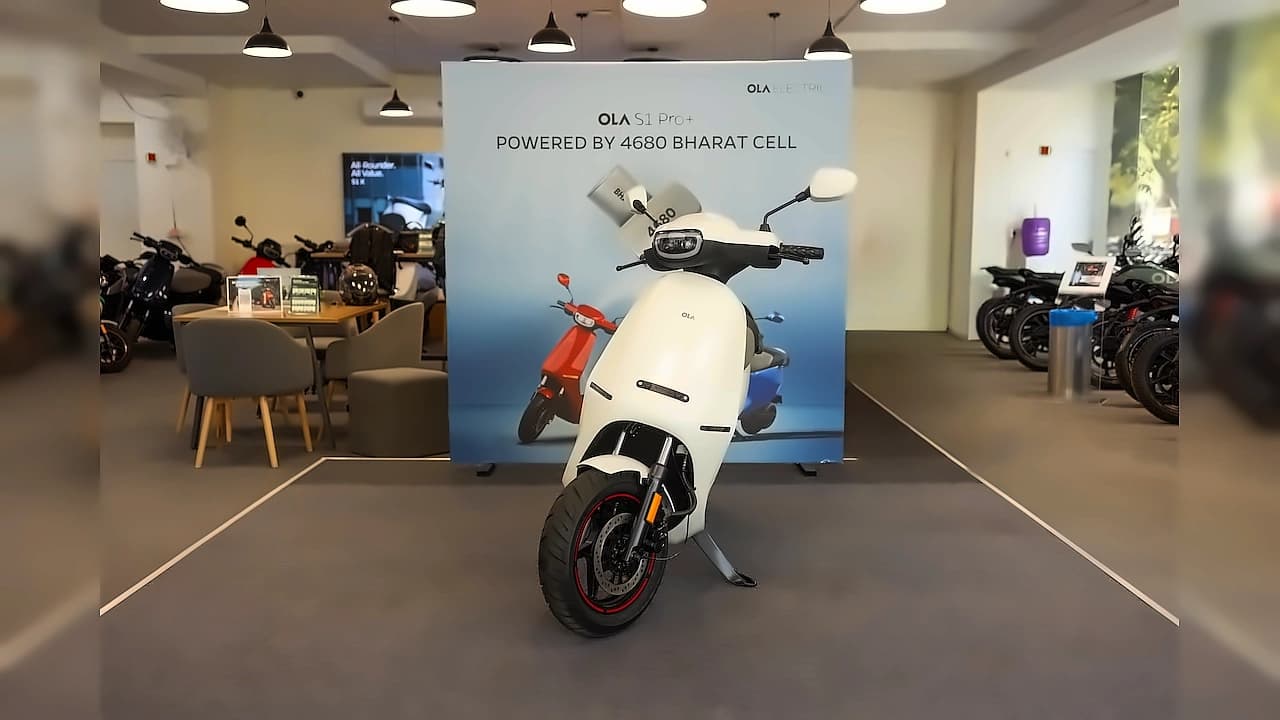
The latest development adds to the regulatory overhang on the company, whose shares continue to remain under the long-term Additional Surveillance Measure (ASM) framework on both the NSE and BSE. As per CNBC TV18, stocks are placed under the ASM framework by exchanges to caution investors about heightened volatility and to encourage greater diligence while trading. This regulatory pressure compounds the ongoing supplier disputes and adds another layer of concern for investors and market participants.
Despite the supplier disputes, Ola Electric reported a sequential jump in Q1FY27 vehicle registrations, with registrations doubling sequentially and June registering 16,144 vehicles - the company's strongest monthly performance in recent quarters. According to The Economic Times, a spokesperson for Ola Electric stated that Q1 FY27 marks a significant milestone in our growth journey, with the sustained momentum reflecting the success of operational improvements, strong product portfolio and continued customer preference for Ola Electric. The company remains focused on accelerating EV adoption through technology leadership, manufacturing scale and delivering a differentiated ownership experience. Ola Electric further noted that India's electric two-wheeler market continues to witness strong structural growth, driven by increasing consumer preference for electric mobility, favourable economics compared to ICE vehicles, and growing awareness around energy security and sustainability. As EV adoption accelerates across the country, the company remains well-positioned to lead the transition through its vertically integrated technology and manufacturing platform, expanding EV penetration through innovative products, advanced battery technology, manufacturing scale and a robust direct-to-customer distribution network across India.
The supplier disputes come amid a challenging financial year for Ola Electric, with revenue falling 50% to ₹2,253 crore in FY26 compared to the previous year. According to Mint reports, the company's scooter and bike sales declined 44% to 173,794 units, while losses narrowed to ₹1,833 crore from ₹2,276 crore in FY25. The company fell to fifth place in the sales hierarchy, with Bajaj Auto, TVS Motor, Ather Energy and Hero MotoCorp all outpacing it as sales picked up. Latest quarterly results show Ola Electric Mobility posted a consolidated net loss of ₹500 crore for the quarter ended March 31, narrowing from ₹870 crore a year earlier, representing a 42.5% year-on-year decline. Revenue from operations fell 56.6% to ₹265 crore in the March quarter from ₹611 crore a year earlier, while total income dropped 58.2% to ₹304 crore from ₹728 crore in the year-ago period.