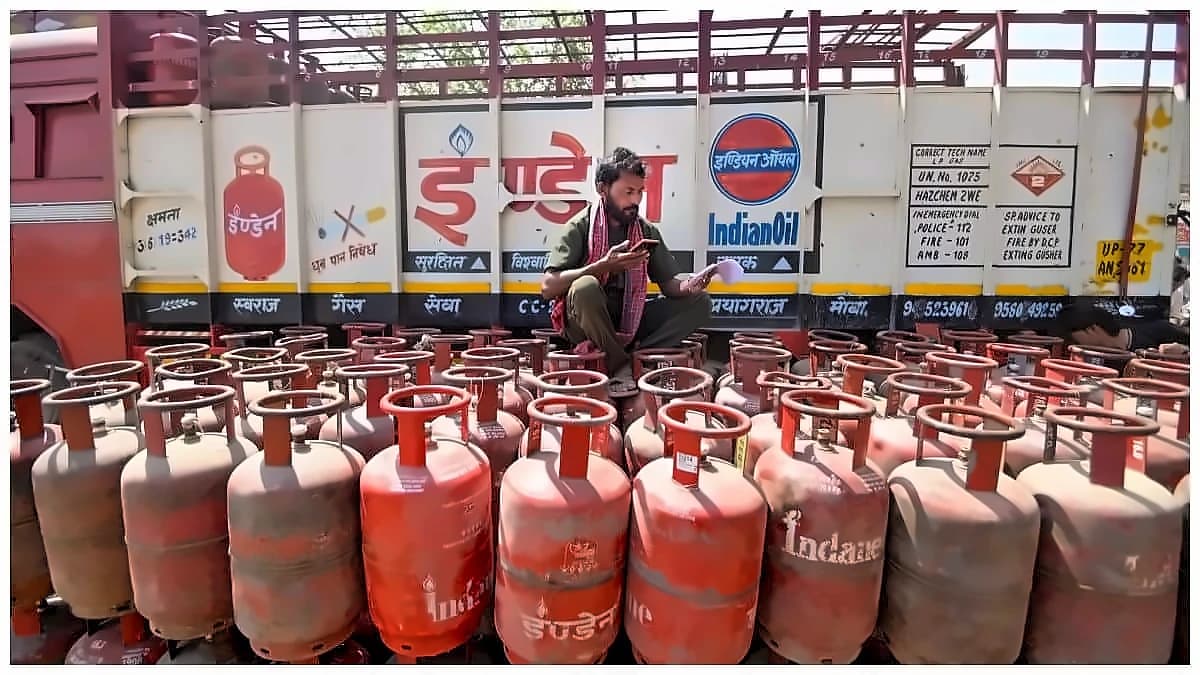
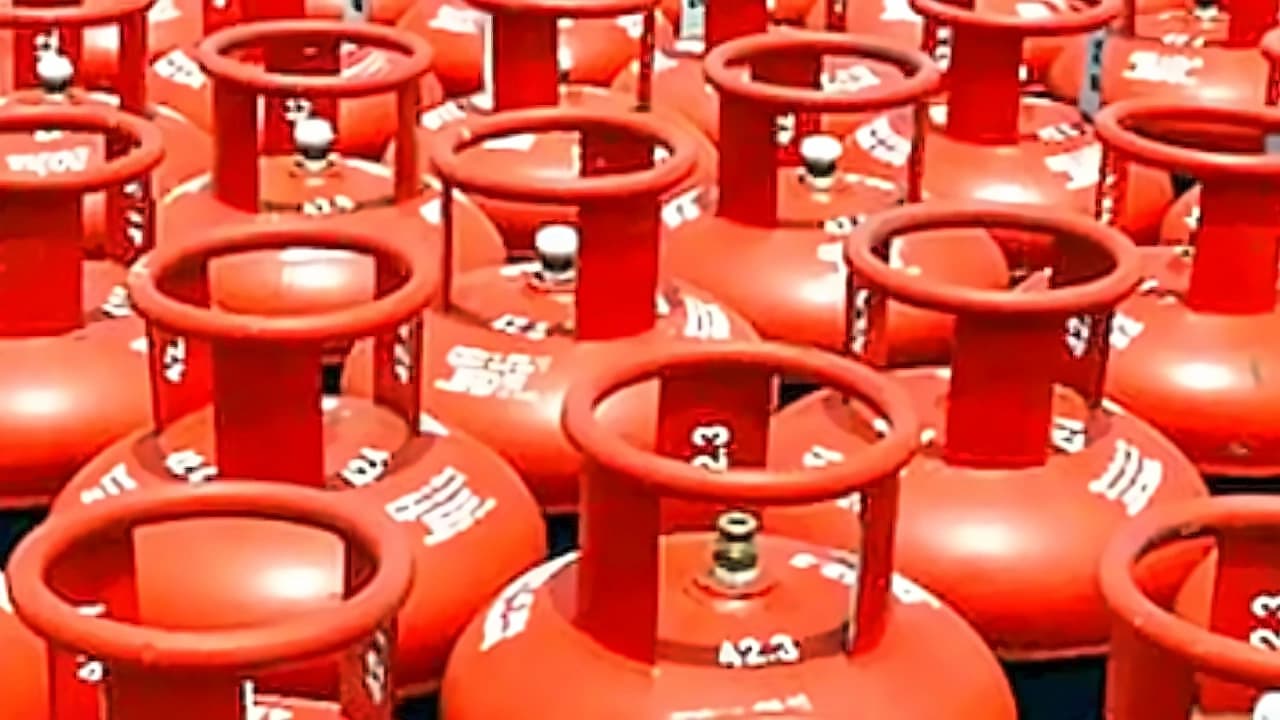
State-run oil marketing companies are evaluating the introduction of 10-kg composite LPG cylinders for commercial use, marking a significant expansion beyond domestic consumers. According to reports from Live Hindustan and industry inputs, Indian Oil Corporation (IOC), Bharat Petroleum Corporation Ltd (BPCL) and Hindustan Petroleum Corporation Ltd (HPCL) are considering this new option to provide a middle ground for consumers who need more fuel than smaller cylinders but find 19-kg cylinders too bulky. The cylinders use high-density polyethylene (HDPE) composite technology and are nearly 50% lighter than conventional steel cylinders, making them easier to carry and transport. As per an oil company executive, the translucent design allows users to visually check LPG levels without a gauge, making refills easier to plan. The cylinders are already available for domestic consumers under different brand names - HPCL markets them as HP Gas Ojas, IndianOil offers Indane Xtralight, and BPCL sells Bharatgas Lite.
Oil marketing companies have reduced commercial LPG cylinder prices by ₹183.50 on July 1, marking the first price cut since implementing a ₹195 price increase earlier this month. The revised prices now stand at ₹2,930 in Delhi, ₹2,885.50 in Mumbai, and ₹3,081.50 in Kolkata for the 19-kilogram commercial cylinder. This rollback comes as the Free Trade LPG (FTL) 5-kg cylinder prices were also reduced by ₹13 to ₹808.50, providing relief to commercial users after the recent hike. The price adjustments are part of monthly revisions that track Saudi Aramco's Official Selling Price (OSP) and global market trends. Commercial LPG currently costs around 133% more than domestic cooking gas, with a 14.2-kg domestic cylinder priced at ₹942 compared to a 19-kg commercial cylinder at ₹2,930.
The proposed 10-kg composite cylinders are specifically designed for small cafes, tea stalls, migrant workers, tenants, students, street vendors, and other users with limited space who require LPG but may have difficulty managing larger 19-kg commercial cylinders. According to industry sources, these users currently have access to 19-kg, 5-kg and 2-kg cylinders, but the 10-kg option would provide a middle ground for those who need more fuel than smaller cylinders offer. If approved, the cylinders will be sold at commercial LPG rates, aligning with existing commercial products. The wider distribution network is expected to improve access for mobile and space-constrained users, with distribution planned through existing LPG agencies and select retail outlets, though the final distribution framework is yet to be decided.
The price rollback follows a 44 percent surge in Saudi Contract Price, rising from $542 per metric tonne in March to $780 per metric tonne in April, as reported by the Ministry of Petroleum and Natural Gas. This surge is driven by 20-30 percent of global LPG supplies being blocked in the Strait of Hormuz due to the West Asia conflict. The ministry clarified that commercial LPG cylinders, representing less than 10 percent of total LPG consumption in the country, are deregulated and market-determined, with prices revised monthly. Oil marketing companies are currently incurring an under-recovery of ₹380 per cylinder, with cumulative losses expected to reach approximately ₹48,440 crore by end-May. Despite fresh geopolitical tensions in West Asia, industry experts note that India is unlikely to face immediate energy supply concerns as the country has adequate crude inventories and diversified sourcing arrangements for near-term requirements.
As India seeks to bolster energy security, Oil and Natural Gas Corporation (ONGC) has approved plans to develop a 1.75 million metric tonne strategic petroleum reserve, as confirmed by the company's board of directors. Minister of Petroleum and Natural Gas Hardeep Singh Puri informed AFP that the country was aggressively pursuing new avenues of domestic production with a $10 billion programme for oil and gas exploration. The latest resumption of fighting in West Asia has renewed concerns over the security of the Strait of Hormuz, with Iran launching fresh attacks on Sunday targeting Bahrain, Kuwait, Qatar and the United Arab Emirates. Despite these challenges, data intelligence firm Kpler's analyst noted that the immediate LPG supply outlook appears more manageable than during peak disruptions, with India having already secured crude oil supplies for August and tied up LPG imports supporting near-term energy availability.